Fitz Haney

How can values create value? On this podcast, Michael Eisenberg talks with business leaders and venture capitalists to explore the values and purpose behind their businesses, the impact technology can have on humanity, and the humanity behind digitization.




Fitz Haney
Fitz Haney
Fitz Haney
Fitz Haney
Fitz Haney
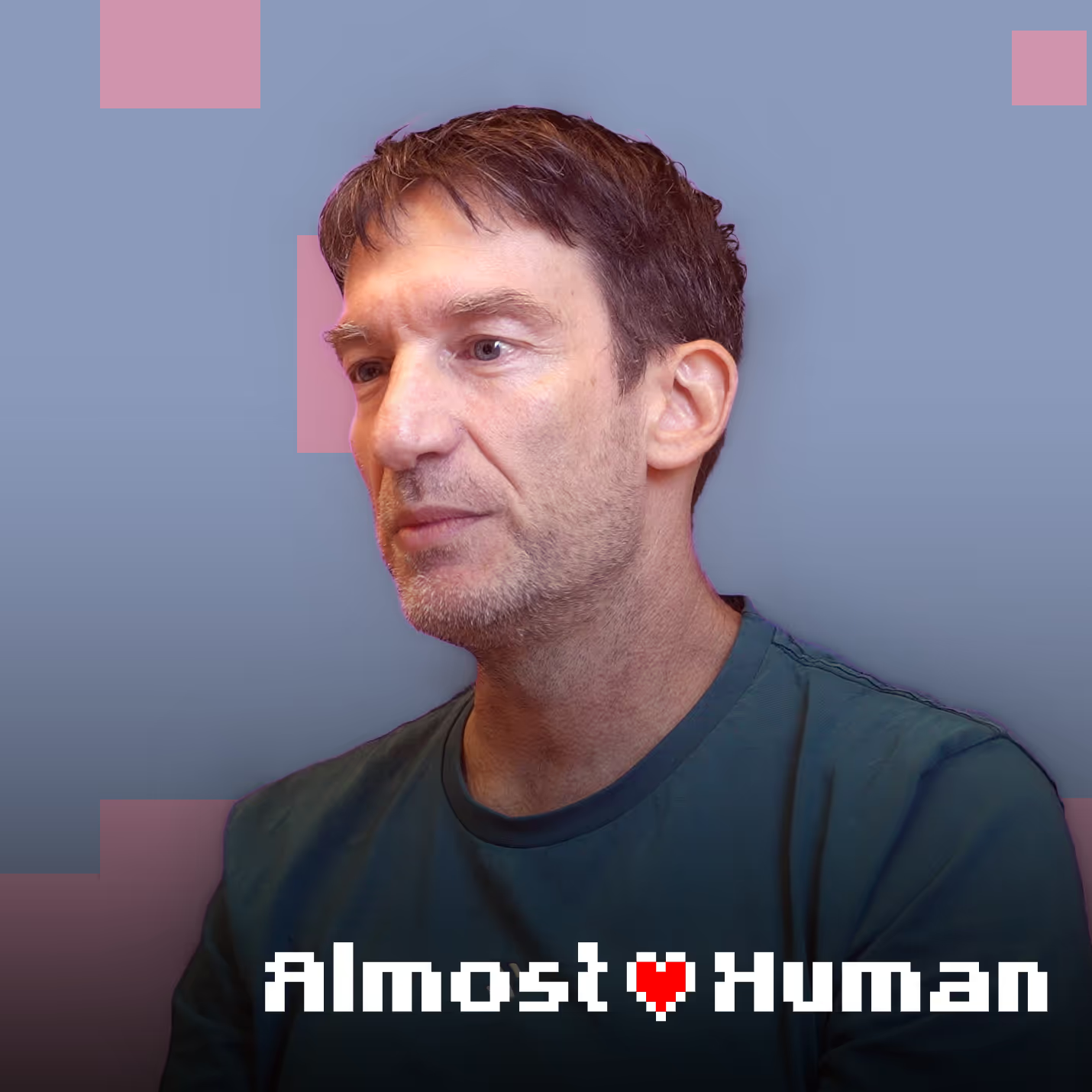
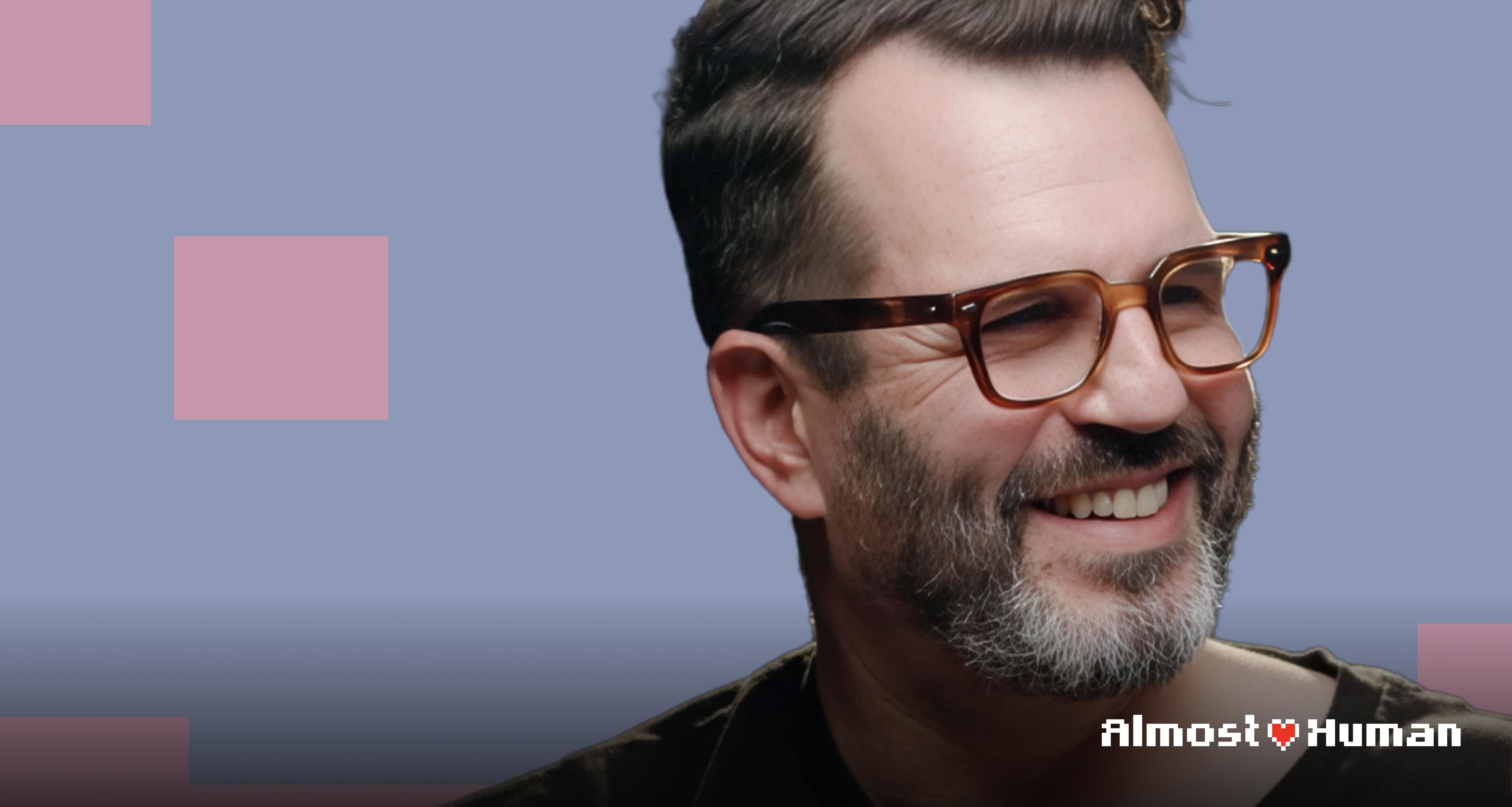
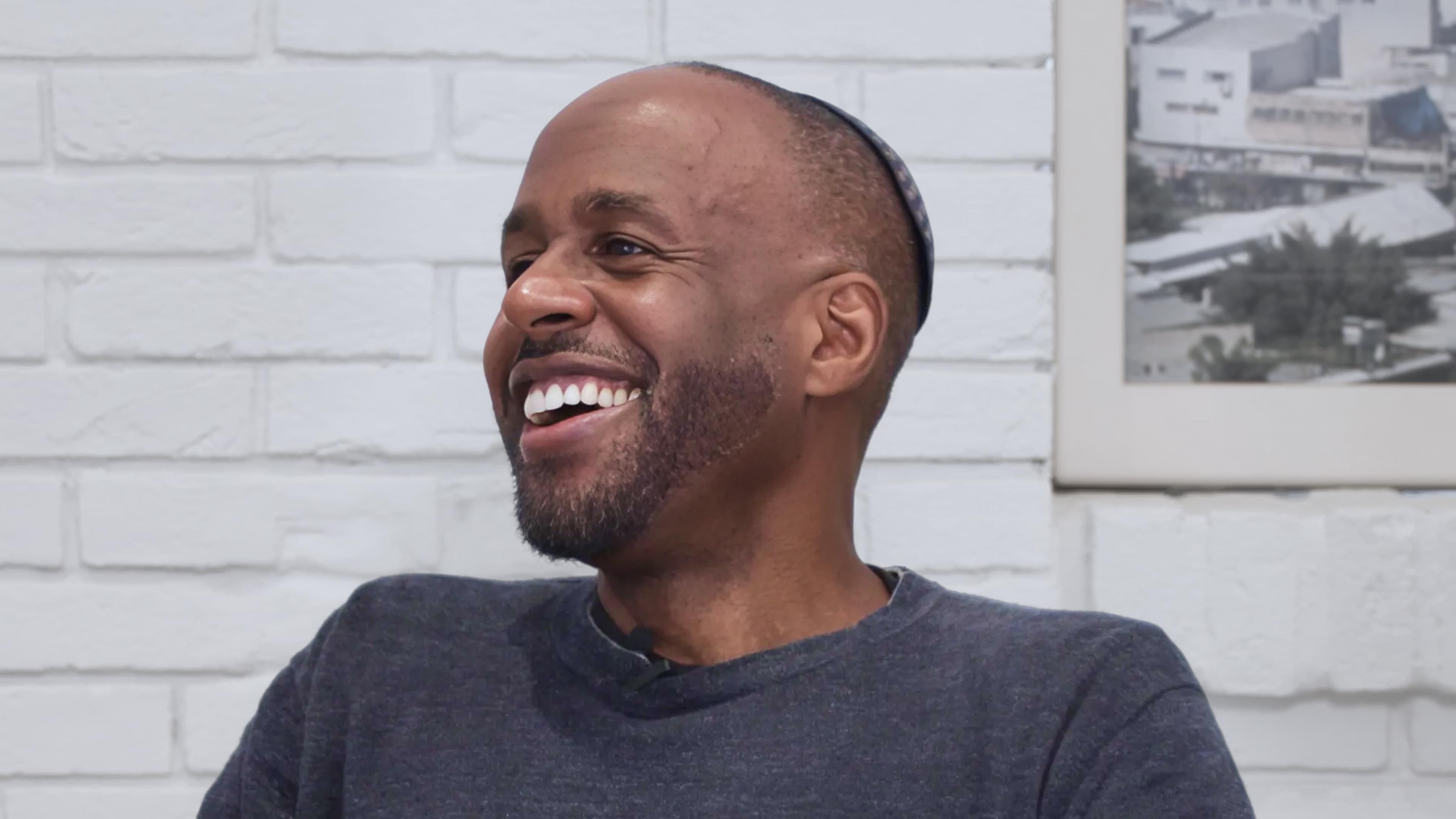
S. Fitzgerald "Fitz" Haney, former U.S. Ambassador to Costa Rica under Obama and Trump, on converting to Judaism, Dancing with the Stars, and the Isaac Accords.
On this episode of Yalla, Let's Go!, Erica Marom and Abbey Onn talk with Fitz, Managing Director for Latin America at The Genesis Prize Foundation. Raised Catholic and educated by the Jesuits at Georgetown, Fitz spent two years studying with an Orthodox rabbi in Mexico City before converting and moving to Israel in the late '90s. He explains how a call from the White House sent him to Costa Rica as ambassador, how an offhand joke on Costa Rican TV turned into a season of Dancing with the Stars, and why he took on the Isaac Accords, the effort to bring Latin America and Israel closer that grew out of President Javier Milei's 2025 Genesis Prize. He also talks about Negave, an agave spirit aged in kosher wine barrels in the Negev, and why he thinks Israel isn't telling its story well.
Fitz speaks about raising Black Jewish children in Israel, and about the morning of October 7th, when his son called to say his battalion was being sent to the Gaza border.
0:00 - Intro
0:48 - Pulse Check: The Chagim and Making Aliyah at Any Age
2:35 - Meet Fitz Haney: Former U.S. Ambassador to Costa Rica
3:14 - Nashville to Naperville to Israel in Under a Minute
4:13 - From Catholic to Jewish: Two Years With a Rabbi in Mexico City
6:37 - Converting in Chicago, Then Orthodox Conversion in Israel
7:50 - How His Catholic Family Reacted to His Conversion
9:08 - Why Israel: Raising Black Jewish Kids in Englewood vs. Israel
10:41 - Leaving Israel and Coming Back
11:20 - Venture Capital vs. Diplomacy
12:24 - The White House Call: Becoming Ambassador to Costa Rica
14:26 - What Israel Gets Wrong About Telling Its Story
15:58 - Why Costa Rica's President Looks to Israel
17:53 - The Isaac Accords, Javier Milei, and the Genesis Prize
19:41 - Negave: Making an Agave Spirit in the Negev
22:09 - Dancing with the Stars Costa Rica
24:47 - Living in Israel as a Black Jewish Father
26:26 - What Israelis Need to Hear About Racism
27:17 - October 7th: His Paratrooper Son's Call From the Gaza Border
31:04 - Why He Stays: The Only Place to Be Fully Jewish
32:16 - Aliyah Advice: Learn Hebrew
32:49 - At 120: Jewish Grandchildren
33:27 - Rapid Fire: Zamish, Halva Nuts and Mitzpe Ramon
[Abbey Onn — 0:00]
Former U.S. ambassador to Costa Rica, Dancing with the Stars finalist.
[Fitz Haney — 0:03]
Yeah, yeah.
[Abbey Onn — 0:04]
How should we address you?
[Fitz Haney — 0:05]
I've been called a lot worse. Fitz is good.
[Fitz Haney — 0:08]
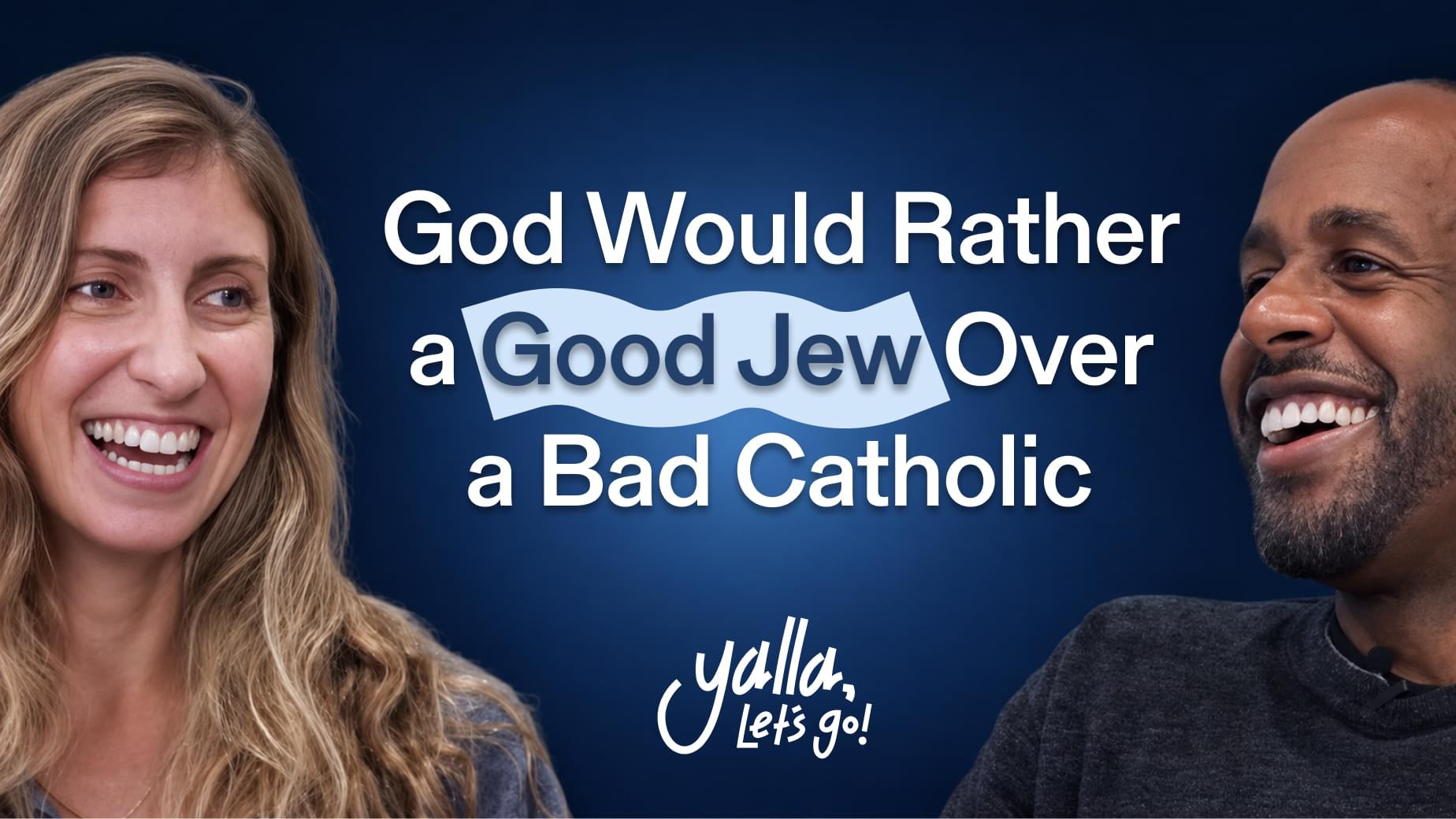
Look, I think God would rather have Fitz be a good Jew than a bad Catholic.
[Fitz Haney — 0:11]
This is the most important experiment in Jewish peoplehood in over 2,000 years, so why wouldn't you want to be a part of it?
[Erica Marom — 0:17]
What has been your experience, like, as a Black man living in Israel?
[Fitz Haney — 0:21]
You know, I said, I'm going to be a Jew. I have to be in Israel. Like, in my mind, as soon as I started the process, I was like, why would I be anywhere else? Like, this is the, you know, eternal homeland of the Jewish people.
[Erica Marom — 0:31]
So I want to totally change topics for a minute. Tequila.
[Abbey Onn — 0:35]
Agave.
[Erica Marom — 0:35]
Agave tequila. Can you explain?
[Abbey Onn — 0:48]
Welcome back to another episode of Yalla, Let's Go!, the podcast that Erica and I started to remind ourselves, and hopefully some of you, why we made aliyah [immigration to Israel]. We talk to people from all aspects of life. They could work in tech, they could be chefs, they could be ambassadors, people who do anything from athletics to small businesses.
[Erica Marom — 1:11]
Yeah.
[Abbey Onn — 1:12]
And we're super excited to jump into today's episode. Before we do, though, Erica, pulse check. How are you feeling about living in Israel today?
[Erica Marom — 1:20]
Wow. Well, we just finished this beautiful, beautiful period of time in Israel that we call the Chagim, the holidays, where, like, our kids went back to school for five days and then went on vacation again.
[Abbey Onn — 1:31]
So valuable.
[Erica Marom — 1:33]
And it's just such a nice time in Israel. You know, everywhere you walk, you see, like, the Sukkot [festival of huts] all over, in people's apartment buildings, on their porches, outside their homes. Everyone's getting ready for the same holidays. And it's a quieter time. It's a family time. I really love it. It's a little cooler. You know, the heat of August has worn off a little bit. It's such a wonderful time in Israel. I really love it. I love, like, being with the family and having all of this time together to celebrate, and with friends. And actually, over Sukkot, we went to visit my uncle, who just made aliyah. He's in his mid-60s.
[Abbey Onn — 2:10]
Wow.
[Erica Marom — 2:11]
So you really can make aliyah at any age. And he made aliyah with his wife. He's in his 60s. Like, he just retired as a doctor. And like, wow, that's not easy to come here, you know, in your 60s.
[Abbey Onn — 2:24]
My dad made aliyah at 75.
[Erica Marom — 2:26]
Like, you can do it. You can do it at any age. You can start over.
[Abbey Onn — 2:29]
Absolutely.
[Erica Marom — 2:30]
It's not easy, but it's a beautiful thing, and so I'm so happy you're here.
[Abbey Onn — 2:35]
That's amazing. Okay, I'm ready to dig in. Today we are super excited to welcome Ambassador Fitzgerald Haney, former U.S. ambassador to Costa Rica, Dancing with the Stars finalist.
[Fitz Haney — 2:45]
Yeah, yeah.
[Abbey Onn — 2:47]
And now Israeli. But before we get started, I want to ask, how should we address you?
[Fitz Haney — 2:53]
Fitz is fine. I've been called a lot worse, so Fitz is good.
[Abbey Onn — 2:57]
We definitely want to call you Ambassador.
[Fitz Haney — 2:58]
Yeah, that's fine.
[Abbey Onn — 2:59]
Or sir?
[Fitz Haney — 3:00]
No.
[Erica Marom — 3:00]
Or His Excellency?
[Fitz Haney — 3:01]
His Excellency. No, Fitz is fine.
[Abbey Onn — 3:03]
We're super excited to have you on the podcast.
[Fitz Haney — 3:05]
Thank you.
[Abbey Onn — 3:06]
And we want to dig in. We ask everyone to tell us their life story in under a minute, which is going to be challenging for you, but I have hope.
[Fitz Haney — 3:14]
All right. Under a minute. Okay. So I was born in Nashville, Tennessee. Grew up outside of Chicago in a suburb called Naperville. Went to school at Georgetown University, undergrad and grad school. Then I went abroad to Latin America. Started working in Puerto Rico, Dominican Republic, Mexico, Brazil, Mexico. My second time in Mexico, I took a diversion in my life, decided to become Jewish, moved to Israel back in the late '90s when it was a whole different world, and met my wonderful wife here in Israel. Got married, started having kids, and, yeah, what else? That's the most important thing. Then back and forth, like all good Israelis. We're here, went back to America, came back. On our third time back here, got a call from the White House saying, "Would you like to be ambassador to Costa Rica?" And I said, "Sure, why not?" Did that for a couple years, then moved back. So that's in a nutshell. That's it.
[Fitz Haney — 4:04]
In a nutshell.
[Abbey Onn — 4:05]
Okay. Extremely well done. And I want to go deep on all of that, but okay. Second time in Mexico, you decided to become Jewish.
[Fitz Haney — 4:13]
Yeah.
[Abbey Onn — 4:14]
Let's start there.
[Fitz Haney — 4:15]
So, you know, it's interesting. When we first got married, we were living in Yerushalayim, Jerusalem, my wife and I. And people would ask us, you know, they're trying to be polite, they're like, "So, have you always been religious?" And I'm like, "Yes, very. Just Catholic." So, yeah, just a little different. So I grew up very Catholic, very religious. And one of the reasons I went to Georgetown was because it was a Jesuit university and what have you. Led retreats, very deep in. Loved my birth religion.
[Fitz Haney — 4:41]
But as I went to Latin America, I kind of got disconnected. I couldn't find a community I really wanted to be in, which is strange. It's like saying, I'm in Israel and I can't find a shul [synagogue] to go to. It's like, there's a Catholic church on every corner all over Latin America. But my second time in Mexico, had a Jewish friend and said, you know what, I know a lot about, I know the New Testament. I could, chapter and verse, recite it to you.
[Abbey Onn — 5:04]
As they say.
[Fitz Haney — 5:04]
As they say. But the Old Testament, you know, I know the stories, but I never really textually studied it, so I'd like to study. And he's like, "Why?" He's like, "We don't like to do this. You don't have to. Why? We have no choice." And I'm like, "Well, religion's been around 6,000 years almost. There has to be something here." So he set me up with a rabbi, and I went to see him in Mexico City. And his first question was like, "Are you dating somebody?" I'm like, "Are you my mother?" Because that's the first question she always asks, too. I'm like, "No, I'm not. It's just intellectual curiosity."
[Fitz Haney — 5:34]
And so he called the chief rabbi of Mexico at the time, and they started speaking Yiddish. And he didn't know that I took German in college as well. And he's like, "There's this Black guy that's in my office, and he wants to, like, study. Can I learn with him?" And the rabbi's like, "Is he dating somebody?" He's like, "No, he already said no." Crazy. And so we started learning together. We learned together for two years, twice a week, an hour of kind of Jewish philosophy, Jewish practice, Jewish thought, and an hour of Catholic philosophy. Because he grew up in Uruguay, and he said he always knew that there were great philosophers in Catholicism, but his parents were kind of like, "Don't go down the dark path," you know, majority religion, majority culture, and we're such a minority. He's like, "I'm an Orthodox rabbi in Mexico City. I think it's okay now."
[Fitz Haney — 6:17]
And so we learned together for two years. Somewhere along the way, about a year into it, I went to him and said, "This is touching me somewhere different. It began as an intellectual pursuit, but I think this is the best way for me to live my life." He's like, "I could have told you that after our third meeting. You have a Jewish soul." And I'm like, "Well, then why did you waste a year of my time?" He's like, "I could not plant that idea in your head. You had to come to me."
[Erica Marom — 6:36]
I love him.
[Fitz Haney — 6:37]
Yeah, he's phenomenal. And he's like, "Look, it's not going to be easy, but if you're serious about this, I'll help you through the process." And so, Mexico does not convert at all. You have to either do it in Israel or the U.S. So I had an Israeli friend at the time, and I came to Israel on a program at the time called WUJS, which doesn't really exist anymore, but at the time in Arad, World Union of Jewish Students. And my Israeli friend said, "Look, before you go, just convert, because regardless of what the rabbinate does accept or doesn't accept, the government will have to accept you. So if you want to stay, you want to get a different kind of visa." I had no idea. So I'm like, okay, sure.
[Fitz Haney — 7:15]
So I walked into a shul in Chicago, the only one I knew in Chicago, which happened to be a Conservative shul. And I walk in and I'm like, "I'm here to convert." Like, "Who are you? And why are you, like, where are you coming from?" And I remember I walked in, and my only experience with Judaism is in Orthodoxy. So I walk in, I see men and women sitting together. I'm like, "Ah, it's a balagan [chaos] Like, what's going on?" I had no idea. But I was there for three months, and after probably the second or third Shabbat, they're like, "This guy knows as much as, like, anybody else at the shul. We'll convert him." I came to Israel, reconverted Orthodox here.
[Erica Marom — 7:45]
Really? Wow.
[Fitz Haney — 7:46]
Yeah, yeah, yeah. And yeah, that's how I got here.
[Abbey Onn — 7:50]
I'm going straight to the Catholic mom question. How did your family react?
[Fitz Haney — 7:55]
You know, really well. My mother's like, she's one of my heroes. And, you know, she raised myself and my brother by herself after my father passed away when we were really young. Went back to law school, put herself through law school with two young kids. I don't know how she did it, because now we're having kids. I'm like, worked all day, like, raised us, went to law school at night. And she's like, "Look, I raised you guys to be, you know, thoughtful, thinking adults. And if this is the best path for you, I'm happy." That's what she told me.
[Fitz Haney — 8:22]
She passed away a few years ago. But after she passed away, one of the priests that I grew up with, Father Mike, my childhood priest, said, "Well, you know what your mother really said?" I'm like, "No." He's like, she, like, calls me and says, "Father Mike, like, he wants to be a Jew. What do we do?" And being a good Jesuit, I have to give Father Mike, he's like, he goes, "Sandra," my mom's name, he's like, "Look, I think God would rather have Fitz be a good Jew than a bad Catholic."
[Erica Marom — 8:47]
Wow.
[Fitz Haney — 8:48]
And so that was for her. She's like, "Okay." So everyone in my family was great. My grandmother, not so much, because in her world, she's just like, "There goes your soul." I'm like, "I think I'm good." But everyone came to the wedding, and everyone kind of embraced us, and it was good. It was good.
[Abbey Onn — 9:05]
It's amazing.
[Fitz Haney — 9:06]
Yeah, we were very lucky. Very lucky.
[Erica Marom — 9:08]
So you came to Israel and you met your wife here, who's a rabbi. You got married, and then, as you said, you went back, you came back. What made you come to Israel? What made you leave? What made you come back?
[Fitz Haney — 9:19]
I think I'm not an impulsive person by nature, but, you know, I said, I'm going to be a Jew. I have to be in Israel. Like, in my mind, as soon as I started the process, I was like, why would I be anywhere else? Like, this is the, you know, eternal homeland of the Jewish people. So now I have this opportunity. That was one reason. My wife, at the time, right when she was actually being ordained out in LA, she said, , like, "Look, this is the most important experiment in Jewish peoplehood in over 2,000 years, so why wouldn't you want to be a part of it?" So that was kind of like, okay, thinking.
[Fitz Haney — 9:51]
And then I think the third reason was, after we started having kids, you know, I looked around. We lived in Englewood, New Jersey. Amazing community. Fantastic. I mean, you can't have a better life, I think, as a practicing Jew in the United States, other than, like, Englewood. It's phenomenal. But I looked around and I said, I want my kids to be able to see themselves reflected in, like, Jewish peoplehood. And as wonderful as Englewood is, they're not reflected. They're very much the only. And I thought, you know, if we're in Israel, they'll be able to go down the street, and people will be like, oh. And, you know, it's Israel. So people ask them all the time, like, "Are you Ethiopian? Are you, like, Teimani [Yemenite]? Like, mah koreh, ma ha'eida shelachem? [what's up? what's their ethnicity?]" But at least they could see themselves somewhere in the wonderful rainbow that Israel is. And that, for us, was really important, that they felt part of the people.
[Abbey Onn — 10:41]
And then why did you leave?
[Fitz Haney — 10:43]
Well, my mother got really sick, so we went back, and we went back for about a decade, to work and to be near her. And then she passed away. And then on our way back, I was doing a lot. I was covering Europe, Middle East and Africa for my firm at the time, and I was just traveling over here all the time. And I had a lot of clients in the Gulf, and so I'd spend a lot of time in the Gulf. And I was just like, "This doesn't make a lot of sense." And so I went to the firm and I said, "Look, we're Israeli, and I can live in Israel, and at least I'll be in the time zone between London and Abu Dhabi, Dubai. Is it okay?" And they're like, "Sure." And so then we came back. So we came back for a couple years.
[Erica Marom — 11:20]
Wow. So you've worked in venture capital and you've worked as an ambassador. Can you tell me what's different about working in the American State Department versus, like, working in an Israeli boardroom?
[Fitz Haney — 11:29]
Wow. Good question. No, I think, I tell everyone, you know, I did the ambassador thing. It was a short stint. It was three years. It was great. I don't know if I ever want to do it again, but it was an amazing opportunity. And at the end of the day, it's very similar to what I was doing anyway, and actually very similar to, I think, when you think about founders in high tech in Israel, is you have to do a lot of listening, and you have to understand where the other person's coming from, and they're trying to solve a problem. And so you kind of listen to what they're saying and say, okay, great, you know, give me your pitch, if it's either in the boardroom or it's the foreign minister that wants something from the U.S. And then I'll listen to the pitch, and then we'll see, does it fit what we want to do from our perspective. But it's really active listening at the end of the day, and it's about people. And so I don't care how good your technology is, at the end of the day, you're investing in people. And the same thing, I think, on diplomacy, it's really the people that you're dealing with. So there's a lot of similarities. A lot of similarities.
[Abbey Onn — 12:24]
Okay, so I have a lot that I would love to go deeper on. I would love to, like, you get a call from the White House to ask you to be an ambassador.
[Fitz Haney — 12:24]
Yeah.
[Abbey Onn — 12:30]
You did that over two administrations, right? You say it's a short stint, but can you tell us a little bit more about it?
[Fitz Haney — 12:36]
Yeah, sure. I was, the first Obama administration, you know, we discussed it, and I said, look, I only have a few criteria. One is it has to be Spanish or Portuguese speaking, because I speak both. I think it's important that the ambassador be able to communicate in the language of the country. It needs to have a Jewish community. It needs to have a Jewish day school, because our kids go to Jewish day school. And it has to have kosher food. And they're like, "Well, that narrows it down to, like, six countries." And they're like, "Rank the countries." We talked about it, and we talked back in 2008, 2009 about an opportunity, but we just had our third kid, and I just changed my role at what I was doing, and I'm just like, "It's not a good time. It just isn't." So I'm like, "Thank you. No, thank you." They appointed me to the Holocaust Memorial Council in the States, which was a phenomenal experience. I was very happy to do.
[Fitz Haney — 13:23]
And then we moved to Israel. And then, literally, we were living in Zichron Yaakov, and I'm driving in Zichron Yaakov, and over the koli, the speakerphone in my car, I get a call, and it's like 202. I'm like, oh, that's Washington, D.C. Pick up the phone. And they're like, you know, "Mr. Haney, it's the White, could you, like, it's the White House. Could you speak to the White House?" I'm like, "Sure." And so it was somebody at the White House calling again, saying, you know, "Would you consider again? We think, look, you went to Georgetown, undergrad and grad school. You studied international relations, international diplomacy. You lived in Latin America for a long time. You speak the languages. We think you'd be a great representative for the president. Would you consider again an opportunity?" And my wife's like, "You can't say no twice." And I'm like, "Well, you can." But we said yes. And they said, "And how about Costa Rica?" And I'm like, that was my number one choice anyway. So I'm like, sure, I could live in Costa Rica for a few years with the family.
[Erica Marom — 14:14]
I guess I could do that.
[Fitz Haney — 14:15]
I could do that. And went down there. Great community, great people, just phenomenal experience, I think, for the kids as well. If you ask them, they'll be like, "Yeah, that was a lot of fun. That was a lot of fun."
[Abbey Onn — 14:24]
It's amazing.
[Fitz Haney — 14:25]
Yeah, yeah.
[Abbey Onn — 14:26]
In addition to living in Costa Rica, you were once upon a time selling Pepsi to Latin America. Now you're living in Israel and you're selling Israel to Latin America. In your opinion, what are we getting wrong in the way that we're selling Israel, in the way we're telling the story, and how are you trying to fix it?
[Fitz Haney — 14:41]
Wow. What is Israel getting wrong? I think Israel doesn't tell its story. I don't think it tells it effectively. And I've been saying this for years, for anybody that wanted to listen. Not a lot of people do. But I think there's a wonderful story here that has nothing to do with the conflict that we don't proactively talk about. I think there's a lot of reasons behind that. You know, we could get deep into the weeds about how we need a strategic directorate here on communications, where you pull the best people from technology and the army and, you know, high tech and communications, put them all in one unit that, like, we have Mossad and Shabak, and we should have communications, and it should be, you know, at that level.
[Fitz Haney — 15:23]
I think there are a lot of reasons that doesn't happen. A lot of people smarter than I have told me it's not going to happen because of politics and who controls what, what have you. Regardless of who's in politics, whichever politician, no one wants somebody else to have that much power. But I think there's a wonderful story that we don't tell. I think we're missing an opportunity, especially in the U.S. these days, to work with certain communities. And I've been saying this for, like I said, decades, especially minority communities in the United States, where there's an affinity, there's a natural affinity toward Israel, either because of religion or because of family values or whatever it is, that we don't spend enough time on.
[Fitz Haney — 15:58]
So I think we have a lot to offer. And I think the majority of people, especially in Latin America, will tell you the conflict, it's not relevant to them. They're worried about, you know, feeding their kids, getting their kids schooled, getting a good education, great opportunity, safety, security, everything that everyone else worries about, that Israel has a lot to offer them. When you're ambassador, you have these credentials, and you have a letter literally from the White House, from the president to the president of the country that you're serving in. And it's a huge ceremony. And so you walk in, at the time in Costa Rica, it's in the Foreign Ministry building, beautiful. They don't have an army, but even they somehow put all these guards and everything on the sides. And you walk on this long red carpet. Then you have the foreign minister and you have the president, and you hand over this letter of credentials. And so the president of Costa Rica at the time, who became a good friend, like, takes it and he's like, "Shalom, shalom." And I'm like, "You know, I'm the U.S. ambassador, not the Israeli ambassador." And he's like, "Yeah, yeah, I know."
[Fitz Haney — 16:55]
But then afterward, after the ceremony, we were talking. He's like, "But we do our homework too. We know you're Jewish, we know you're also Israeli. We know what's important to you." But he goes, "When we look around the world and we look at countries that we think we can learn from or emulate, Israel's at the top of our list." You know, a small country with a small population, with limited resources, that put a lot of effort into education and health, things that Costa Rica does as well. "And look at the imprint that Israel's having on the world." And he's like, "We can never be the United States. You know, it's Costa Rica, 6 million people, small country, [versus] 350 million. But we look at Israel, we look at, wow, there's 10 million people there, smaller country than Costa Rica, more limited resources, and look what they've been able to do. So what can we learn from them? What can we learn from Israel that we could then bring to help us here?" And I think that is what Latin America gets excited about when they think about Israel. And so I think that's what Israel has to offer, that story of the startup nation. What have we done and how do we do it? There's a lot there. There's a lot there.
[Abbey Onn — 17:53]
You're involved in trying to broker some sort of relationship between Latin America and Israel, right?
[Fitz Haney — 17:57]
Yeah. So my wife's like, "Why has our life been, like, so crazy?" Maybe this is like, at the end of the day, I think it was Steve Jobs who said, you'll never understand. You only can look back at your life and say, "Oh, now all the connections make sense." And so, I don't know, there's something called the Genesis Prize, which is kind of called the Jewish Nobel, and it's given out every year to Jewish achievement. Back in 2025, the laureate was President Milei from Argentina. He was the first non-Jew to receive it, and he was the first head of state to receive the Genesis Prize. And his vision, working with his rabbi, his ambassador, who's also his rabbi, here, Axel Wahnish, Ambassador Wahnish said, "I want to do something called the Isaac Accords." We're like, well, what are the Isaac Accords? And they're like, it's like the Abraham Accords, except in Latin America. He's like, "We should be a lot closer. You know, if you look at shared values, if you look at shared history, if you look at shared future and a shared important ally in the United States, Latin America should be a lot closer to Israel." And so he said, "I want to do the Isaac Accords." The chairman of the Genesis Prize, Stan Polovets, found me through a mutual friend who happened to be the U.S. ambassador to Argentina at the time, and said, "You should meet Fitz. He may be the person that you want to talk to." And I'm like, "Yeah, I don't think so. I'm good doing what I'm doing." He's like, "We're looking for somebody who knows Israel, especially the tech system, knows Latin America, and knows the U.S. administration."
[Fitz Haney — 19:19]
And my wife's kind of like, "It's kind of like you." And she's kind of like, being my wife, she's like, "Look, you're not going to get a big head." She goes, "I'm going to tell you, this is your Esther moment. You could decide to help the Jewish people, or you could not. We're going to be okay either way, and we'll all be fine. But this is your opportunity to do something different." And so I stepped into the breach and said, "All right, let's launch this Isaac Accords thing, and let's see what we could do."
[Erica Marom — 19:41]
So I want to totally change topics for a minute. So you're a partner at, like, a $3 billion venture capital fund. You invest in entrepreneurs, and you've decided that the next great Israeli innovation is tequila.
[Abbey Onn — 19:54]
Agave.
[Erica Marom — 19:56]
Agave tequila. Can you explain?
[Fitz Haney — 19:58]
This is a passion project, and it's something that, I lived in Mexico twice, and one of my times in Mexico, you know, tequila. I grew up in the States at a time where tequila was horrific, because you went to college, you had a really bad experience with Jose Cuervo, exactly, or whatever brand it may be, and you're like, "I'm never touching this stuff again." That was it. You know, I went to Mexico, and my Mexican friends were like, "You guys, you don't understand. This is like whiskey and bourbon. Like, this is sipping. This is amazing. Here's the story behind what tequila is." And so I became very much, that's the only hard alcohol I drink, and I have been for decades, is tequila.
[Fitz Haney — 20:35]
And so when we moved back to the States, we do kiddush [post-service reception] clubs at shul after Shabbat, and everyone's doing bourbon, whiskey, or scotch, and I'm like, ugh, I don't do that. So anytime we sponsored a kiddush, I'd bring tequila, and everyone's like, "Whoa." But after a number of years, people started getting into it. And one of my friends, he also made aliyah in the '90s, moved back and forth. And we were sitting on his mirpeset, at his balcony, actually, in Ra'anana one day, and he's like, "Why don't we have agave here in Israel? Like, we have this whole desert called the Negev. It's huge, and I bet you we could grow it." I'm like, "It's a crazy idea, but who knows?"
[Fitz Haney — 21:08]
And then another one of our friends from Englewood came over, and she's the mover and shaker, and she's just like, "Let's go. Let's go and find out." And so we drove down there, only to find out that Ben-Gurion had, back in the '50s, actually, with the help of Mexico and, I believe, Nigeria, but definitely Mexico, actually started planting agave all through the Negev. And we started planting three years ago, four years ago. It takes seven years for the agave to mature, to grow enough to actually use it, the sugars, to get alcohol. So we started producing in Mexico, ship the liquid, or raw liquid, here, age it in kosher wine barrels from the Negev, in the Negev, and then we produce it. So this is like kind of a medium stage. It's an agave distillate that, the liquid comes from Mexico, but is aged here. And then as soon as we can, we'll just produce from ground to glass here in Israel as well.
[Fitz Haney — 22:00]
And Negave is just the combination of agave and the Negev.
[Fitz Haney — 22:03]
So it's kind of, it's—
[Abbey Onn — 22:04]
Like, meant to be.
[Fitz Haney — 22:05]
Yeah, no, we were trying to think of a name. We're like, Negave. It works. So, yeah.
[Abbey Onn — 22:09]
Okay, I've waited as long as I can. We've talked tech, ambassadorship, alcohol. We have to talk about Dancing with the Stars.
[Erica Marom — 22:17]
Serious stuff is over. Let's have some fun.
[Abbey Onn — 22:20]
It's time for dance moves.
[Fitz Haney — 22:21]
Yeah, Dancing with the Stars.
[Abbey Onn — 22:22]
How did it happen?
[Fitz Haney — 22:24]
So when President Trump came in, he fired all politically appointed ambassadors. And so this was probably second week of January, because January 20th was inauguration. And that's the president's prerogative. You work at the prerogative of the president, and he wanted to. And so at the time, I thought I was leaving, like everyone else was leaving. And so I went on a Costa Rican news program, and they're like, "Oh, you know, so let's give a kind of a summary of your time here as ambassador. What do you think about doing next?" And I just, you know, made a joke. I said, "I'm going to do Dancing with the Stars." And then the president of the network called me and said, "Well, actually, we own the rights to Dancing with the Stars, and we're doing our fourth season. Are you serious?" And I'm like, "No." I'm like, "It was a joke. It was a bad joke, obviously. I'm not funny, but it was a joke." And she said, "Well, you should really think about it." I'm like, "No, I'm really good."
[Fitz Haney — 23:15]
And then I got a call from the White House saying, "Well, actually, you're going to stay." And so that put everything on hold anyway, because I became the only politically appointed ambassador that President Trump allowed to stay into the next administration. And so I stayed and did that. But then, as that was winding down, they called me back and said, "Seriously, we were serious about this." I'm just like, "I don't know. I had to get clearance from the State Department. They're never going to clear it." And I remember talking to the State Department at the time. They're like, "Well, our president was on a reality show, so what do you think? We don't care. Do what you want to do."
[Abbey Onn — 23:46]
Our president was on a reality show.
[Fitz Haney — 23:48]
So they're like, "Do what you want to do." And I was like, okay, so sure. And so we started talking. And also, I had an ethics agreement at the time that would not allow me to go right back into what I did prior. And so I had to have, like, a garden leave of a certain amount of time. So I said, "Oh, this is like three months." So I said, "Sure, let's do it."
[Erica Marom — 24:06]
Were you, like, a big dancer, though?
[Fitz Haney — 24:08]
No, I thought I was. I thought I at least had rhythm, I thought. And they paired me up with the world salsa champion.
[Erica Marom — 24:15]
Oh my God, this is so good.
[Fitz Haney — 24:17]
Who's phenomenal, Luci. She is just, her patience, even, but she's phenomenal. And they're like, "Okay, Luci's going to be, like, your partner." And we met and just hit it off. And yeah, and so we started, and it was like three months of nonstop, "You have no idea what you're doing. Like, do you know your right from your left?" And I'm like, "Whoa, wait a minute." But it was a lot of fun.
[Erica Marom — 24:38]
So she made you look good?
[Fitz Haney — 24:40]
She made me look passable. She was amazing, and she made me look passable. I wouldn't even say good.
[Abbey Onn — 24:45]
I'm sure you were amazing.
[Fitz Haney — 24:46]
No, no.
[Erica Marom — 24:47]
So I want to ask a personal question now for a second. So you—
[Fitz Haney — 24:51]
None of these have been personal? No.
[Erica Marom — 24:53]
You talked about how, you know, your kids growing up here, people are kind of like, don't know what to do with them. Like, "Are you Ethiopian? Where are you from?" What has been your experience, like, as a Black man living in Israel?
[Fitz Haney — 25:07]
You know, people ask me a question like, "Does racism exist in Israel?" Without a doubt, but it exists everywhere. So it can be challenging. I think, for me, maybe it's just because I've always been one of few. So even growing up, I was the only, like, Black kid in my school until my brother was old enough to go with me. And so it's just part of, you know, my personal lived experience. I think for the kids, they'll say it can be easy, it can be difficult, and as they get older, it's easier for them to manage. But I know, for example, we'll be out as a family, and no one ever assumes, like, my wife is the mother of the kids. Like, she'll be somewhere, you know, it's Israel, so they're just like, you know, "Ma hakesher?" Like, what's the relation here? And she's like, "I'm their mother." And they're like, "Really?" And she's like, "Well, I pushed them out, so I think I was there, so I know they're my kids."
[Erica Marom — 25:54]
There's no filter.
[Fitz Haney — 25:55]
Yeah, no, there's no filter. There's no, like, how much do you make, and how much does your house cost, and, like—
[Abbey Onn — 25:58]
Did you actually give birth to your children?
[Fitz Haney — 26:00]
Did you actually give birth to your kids?
[Erica Marom — 26:01]
Who is she, walking around with your family?
[Fitz Haney — 26:02]
Right, you know, she's like, "Why are you here?" And so I think, you know, it's been a challenge, but I think the kids would have been challenged anywhere. And, you know, I think if you ask the older ones, especially the younger ones, still like, "Oh, it's not the easiest thing sometimes." The older ones are like, "Okay, so now we know who we are, and somebody asks, we'll give them the answer." And so I think it's been not easy all the time, but it's been fine.
[Erica Marom — 26:26]
So what do you think Israelis should hear about this that maybe they don't want to hear?
[Fitz Haney — 26:33]
Oh, good question. I think it's hard because it's just so naturally Israeli to just say and do things, you know. But some words, because you'll turn on the radio here and you'll hear words that you would never hear in the States because they'll beep them out.
[Abbey Onn — 26:48]
Yeah, yeah, yeah. And they're really natural here. And as an American, you're like.
[Fitz Haney — 26:52]
Whoa.
[Fitz Haney — 26:52]
Yeah. So, you know, same thing with the N-word here. You know, it's just like—
[Abbey Onn — 26:56]
That's what I'm talking about.
[Fitz Haney — 26:57]
Yeah. You know, people just say it, and they're just like, yeah, they—
[Erica Marom — 26:59]
It's true.
[Fitz Haney — 27:00]
And my kids are just like, "What are you saying?"
[Abbey Onn — 27:02]
Some global fluency would be amazing.
[Fitz Haney — 27:04]
So I think that, you know, I think just a little recognition that, you know, Israel's not the center of the world. We like to think we are, but we're not. And there's a way to address these things. And so I think a little awareness of that would be helpful. Would be helpful.
[Abbey Onn — 27:17]
I like how you talk about, you've served as an ambassador, you took the opportunity in Dancing with the Stars to raise money and awareness for something. You're now in a position where your children are going to serve or are serving. How do you—
[Erica Marom — 27:30]
In the army.
[Abbey Onn — 27:30]
Yeah. How do you view that?
[Fitz Haney — 27:33]
You know, we just had the Chagim, and we're right around October 7th. And so we came back in 2018, and one of the reasons we came back at the time was because my son was going to go into 10th or 11th grade, and he was born here, and we're all Israeli citizens. And so it was a question of either we stay out and he doesn't have to do the army, or we move back, but he gets to do the army, then he needs to, like, Hebrew and everything else. So we did that.
[Fitz Haney — 28:01]
On October 7th, three years ago, we, you know, like the whole country, we hear the sirens, we hear everything. And one of my daughters comes running into our room, "Azaka [siren]! We have to go to the mamad [safe room]." And I was just like, at the time, it was just so not, I'm like, it's Simchat Torah [holiday of the Torah]. Like, I'm like, "Go back to bed. I'm sure it was an ambulance, like, on a road." Like, literally, like, "Go back to bed." So we went back to bed. We went back to sleep. We're like, you know, we're in the middle. Plus, whose rocket's going to hit us? We're like, no, we're too far from Gaza.
[Erica Marom — 28:29]
In Zichron?
[Fitz Haney — 28:29]
Yeah. Well, no, actually, we were in Ra'anana at the time. But even then, I was like, it's not, you know. Then my phone kept buzzing, and, you know, my wife's like, "Like, who's calling you? They know it's Shabbat, they know it's Simchat Torah." And, like, after the fourth time, she's like, "You should just look." And it was my son, and he was a tzanchan [paratrooper], and he's like, so it's probably like eight something in the morning. He's like, "Abba [Dad]," and still, I just get chills thinking about it, he's like, "We're at war." I'm like, "What? Like this? I had no idea." And he's like, "We're headed to Gaza." And I was like, "What? What are you talking about? Like, what are you like?" He's like, "I don't know when I'll be able to talk to you again, but we're the only gdud [battalion]." His gdud was about to go to shav milchama, so war week, right after Simchat Torah. They had all their tziyud, all their gear with them, and they were prepared because they were going to go for a week into a simulation of what war would be, as training.
[Fitz Haney — 29:24]
So he'd been in Tzanhanim for, like, a year and a half, I think, at that time, maybe two years. And the head of Tzanhanim called up the head of the Air Force and said, "Look, I have a gdud that's ready. Where do you need us?" And so they got sent on helicopters down to the Otef [Gaza border communities]. And he was on the helicopter there. As soon as they got off, it was hit with an RPG. And he tells me the stories now. He's like, "Look, we got out, and as we're landing, we're being shot at, and we have no idea." And he's like, he was close enough to the pilot to hear the pilot talking to the Kirya, to the Defense Ministry here in Tel Aviv, "Where do I land?" And the Defense Ministry is like, "We have no idea. Wherever you can." And the pilot's like, "What do you mean, where I can?" Like, "What's happening?" No one had any idea. So they just put the helicopter down. They're getting shot at. They rush out. The helicopter gets destroyed, and they're all just scattered. And he's like, they regroup, and then they were sent, half were sent to Be'eri, and half were sent to Alumim. And so we didn't hear from him for three days.
[Fitz Haney — 30:20]
And so, you know, as a parent who chose to come back here and then chose to put our kids in that situation, it's hard. It's hard. It's a choice that we made, but, you know, we made that choice for them. And so then it's hard. It's hard as a parent, you know. He will tell you that he's a proud Israeli. He is so happy that he got to serve his country and got to protect us, and that's what he really thought he was doing, and why it was a necessary thing to do. But it's hard, you know. And so he went through things that no one should ever have to go through, especially at that young age, and did that in Gaza for almost a year. So it was difficult.
[Abbey Onn — 30:58]
Okay, I'm going to cry. So I think we should begin to wrap up. We could do this all day.
[Erica Marom — 31:04]
So you've lived all around the world. You've lived across Latin America, in the U.S., back and forth. Why do you stay here?
[Fitz Haney — 31:13]
Wow. Depending on the day you ask me, I'll give you a different answer. I think the only place in the world you could be fully Jewish is here. And I mean fully Jewish in every aspect of who you are. And so it's not just religiosity, because I have lots of friends who are secular, but it's just being in, the calendar is yours. The people are your people. As annoying as it can be at times, it is a big family, and we have family fights. But at the same time, you know, you'll be on the bus and you'll have some woman you don't know yell at you, like, "Why is your kid not more dressed or less dressed?" It's just like, you know. I remember when we were taking our son out of the hospital, and we're like new parents, we're like, "Okay, we have a car seat. Now what do we do?" And this Haredi [ultra-Orthodox] woman comes over and, like, in three seconds, she does everything. She's like, "Nu, go." "Thank you." You know, it's just like, it's like a big part of a big family, and the good and the bad in that. You know, sometimes your family annoys you beyond belief. You're like, "I need space." But a lot of times, that support's there. And so I think it's really the only place in the world, especially these days, where you could fully express every part of who you are as a Jew, is here.
[Abbey Onn — 32:16]
It's really beautiful. Okay, you've done this a couple times, but if you meet someone that arrives tomorrow, what advice would you give them?
[Fitz Haney — 32:24]
Wow. I would say Hebrew. Without a doubt, without a doubt. I mean, it's the key to everything. You know, I tell my kids, every language you learn is like you're learning a whole new culture and history and way of being. Here, you have to learn the language, and it's Hebrew. So I'd say, break your teeth. It's not easy. It just isn't. Especially if you're older, it's not easy, but you have to do it. So I'd say that. That's number one.
[Erica Marom — 32:49]
So when you're 80 years old and you're looking back on your life—
[Fitz Haney — 32:53]
Or 120.
[Erica Marom — 32:54]
Or 120, yeah, yeah. When you're older and you're looking back on your life here, what's one thing that you think will have been true because you made aliyah and built your life in Israel that wouldn't have been true otherwise?
[Fitz Haney — 33:05]
Hopefully, Jewish grandchildren, great-grandchildren. Honestly, I don't know if staying, it's hard in the diaspora. It just is. It's hard outside. And we see, you know, the intermarriage rates in the States, and we see, you know, regardless of the community, unless you're really, really Haredi or ultra-Orthodox. So I think, yeah, Jewish grandchildren, great-grandchildren, hopefully.
[Abbey Onn — 33:27]
Okay, we have gotten to our rapid-fire part of the podcast, which is one word. You choose the language. Favorite Hebrew word or slang?
[Fitz Haney — 33:37]
Wow. You know, I would have said yalla [let's go], because I love—
[Abbey Onn — 33:40]
We also love that word.
[Fitz Haney — 33:41]
No, I love, I love the way, yalla, yalla, yalla. I love the way you can express it. But I learned one yesterday which I really love, which is zamish.
[Erica Marom — 33:48]
Zamish?
[Fitz Haney — 33:49]
Yeah.
[Abbey Onn — 33:49]
I don't know that word.
[Fitz Haney — 33:50]
No one knows it. I hadn't heard it either. It's zamin [available] and gamish [flexible] put together.
[Abbey Onn — 33:56]
Oh, available and flexible.
[Fitz Haney — 33:58]
Right. For agile. Because how do you say agile in Hebrew? If you're in any meeting, there's a word, I think it's agile or something. No one uses it. Everyone says agile. Everyone says agile. And so somebody created a word. Says, well, what is agility? It's really about being available and being flexible. So it's zamish. Zamin ve'gamish.
[Erica Marom — 34:17]
What's your favorite Israeli food or snack?
[Fitz Haney — 34:20]
I'm going to say pitsouhalvah. The nuts covered in halva, I love.
[Abbey Onn — 34:25]
All right. Favorite place in Israel?
[Fitz Haney — 34:27]
Wow. There's so many. I mean, I love the north. I just think it's beautiful. But I also love, like, Mitzpe Ramon. I love being down there and, like, being out in the desert and looking at the stars and walking, knowing that, like, you know, thousands of years Jews have walked here. So it's a toss-up. It's a toss-up.
[Erica Marom — 34:45]
What does Shabbat look like for you?
[Fitz Haney — 34:48]
It depends on the Shabbat. Sometimes in shul, sometimes not. But no, usually it's always family.
[Abbey Onn — 34:52]
The thing you miss the most from outside of Israel, because I think home is a big word for you.
[Fitz Haney — 34:57]
Yeah. Maybe just the sense of space, kind of, in a way. Meaning, love Israel. One of the things that is my pet peeve here, and I purposely, like, my wife's like, "What are you doing? You're not going to change anything." "I'm going to change it person by person," is elevators. You let the people on the elevator out before you try to go in, because it makes it better for everybody. It makes it easier for the people getting out, and it's faster for you getting in. And Israelis don't do that. As soon as the door's open, I'm like, well, okay, so now you've created a bottleneck.
[Erica Marom — 35:29]
Yeah.
[Fitz Haney — 35:30]
And so I'm just like that.
[Abbey Onn — 35:32]
PSA.
[Fitz Haney — 35:33]
In that sense, just taking a step.
[Erica Marom — 35:36]
At this point in your life, do you feel more Israeli or more American?
[Fitz Haney — 35:41]
Good question. I always describe myself as American Israeli. I will always be American Israeli, because that's my dominant, you know, where I came from. I describe my kids as Israeli American, and I think my grandkids, please, God, will just be Israeli. And so I think there's, like, a spectrum here. And, you know, my wife's always like, why is it so much easier for you than, like, for her, like, the culture? And I said, "Because it's very similar to Latin America in lots of ways." And so I came here, I'm like, oh, okay, yeah, I could deal with this. Like, yeah, I get it. And so I'm not sure. I'm not sure.
[Abbey Onn — 36:14]
You're zamish.
[Fitz Haney — 36:15]
Yeah, zamish. Exactly. I'm zamish.
[Erica Marom — 36:18]
Thank you so much.
[Abbey Onn — 36:19]
It was such a joy.
[Fitz Haney — 36:20]
No, thank you guys.
[Erica Marom — 36:20]
We love this.
[Fitz Haney — 36:21]
Thank you. Fantastic. A lot of fun.
[Abbey Onn — 36:21]
Yalla, let's go!
Learn more about Fitz
Follow Fitz on X
Subscribe to Yalla, Let’s Go
Learn more about Aleph
Sign up for Aleph’s monthly email newsletter
Subscribe to our YouTube channel
Follow us on Instagram
Follow us on TikTok
Follow Aleph on Twitter
Follow Aleph on LinkedIn
Follow Aleph on Instagram
Hosts: Erica Marom, Abbey Onn
Executive Producer: Sarah Bard
Producer: Sofi Levak, Dalit Merenfeld
Video and Editing: Nadav Elovic
Music and Creative Direction: Uri Ar
Content and Editorial: Jackie Goldberg
Design: Nimrod Sapir