Avi Lewis

How can values create value? On this podcast, Michael Eisenberg talks with business leaders and venture capitalists to explore the values and purpose behind their businesses, the impact technology can have on humanity, and the humanity behind digitization.




Avi Lewis
Avi Lewis
Avi Lewis
Avi Lewis
Avi Lewis
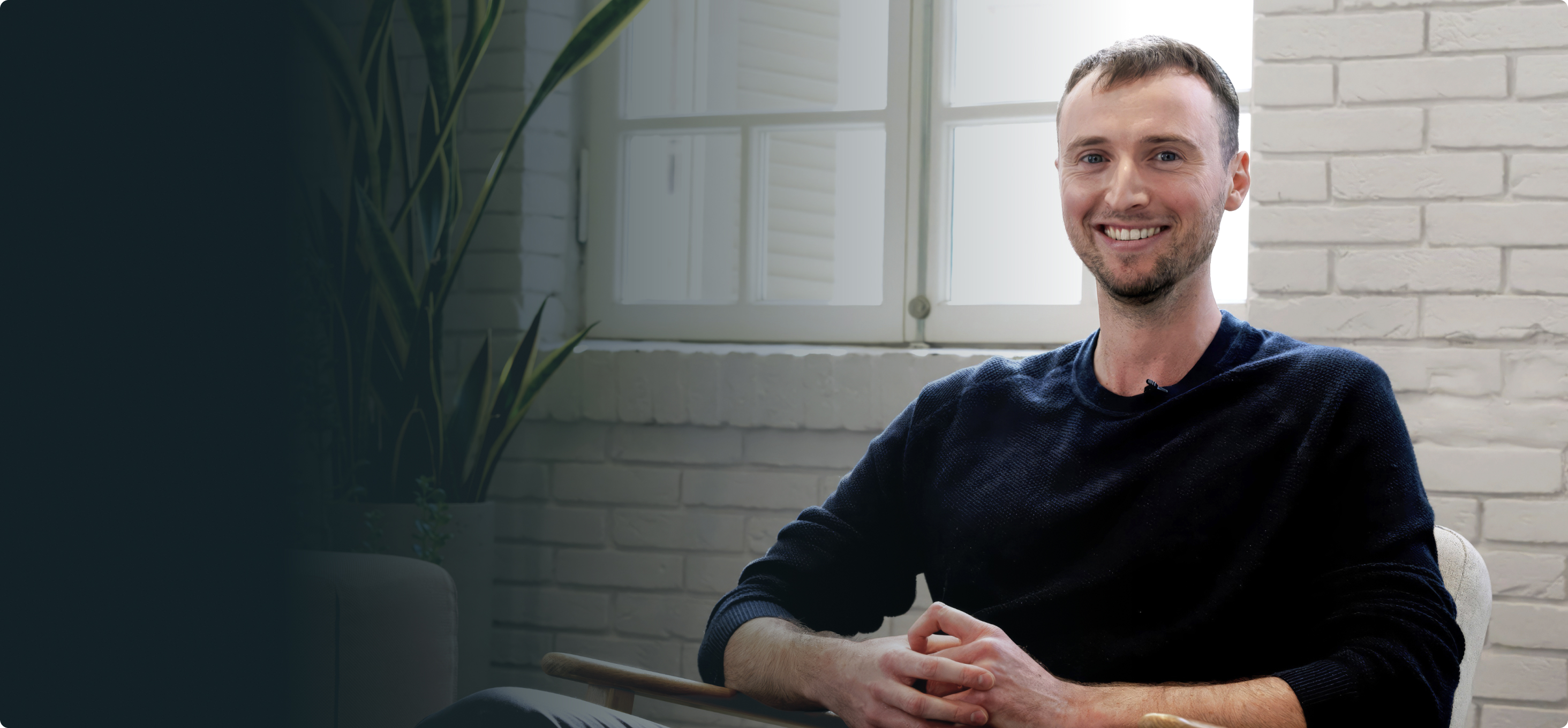
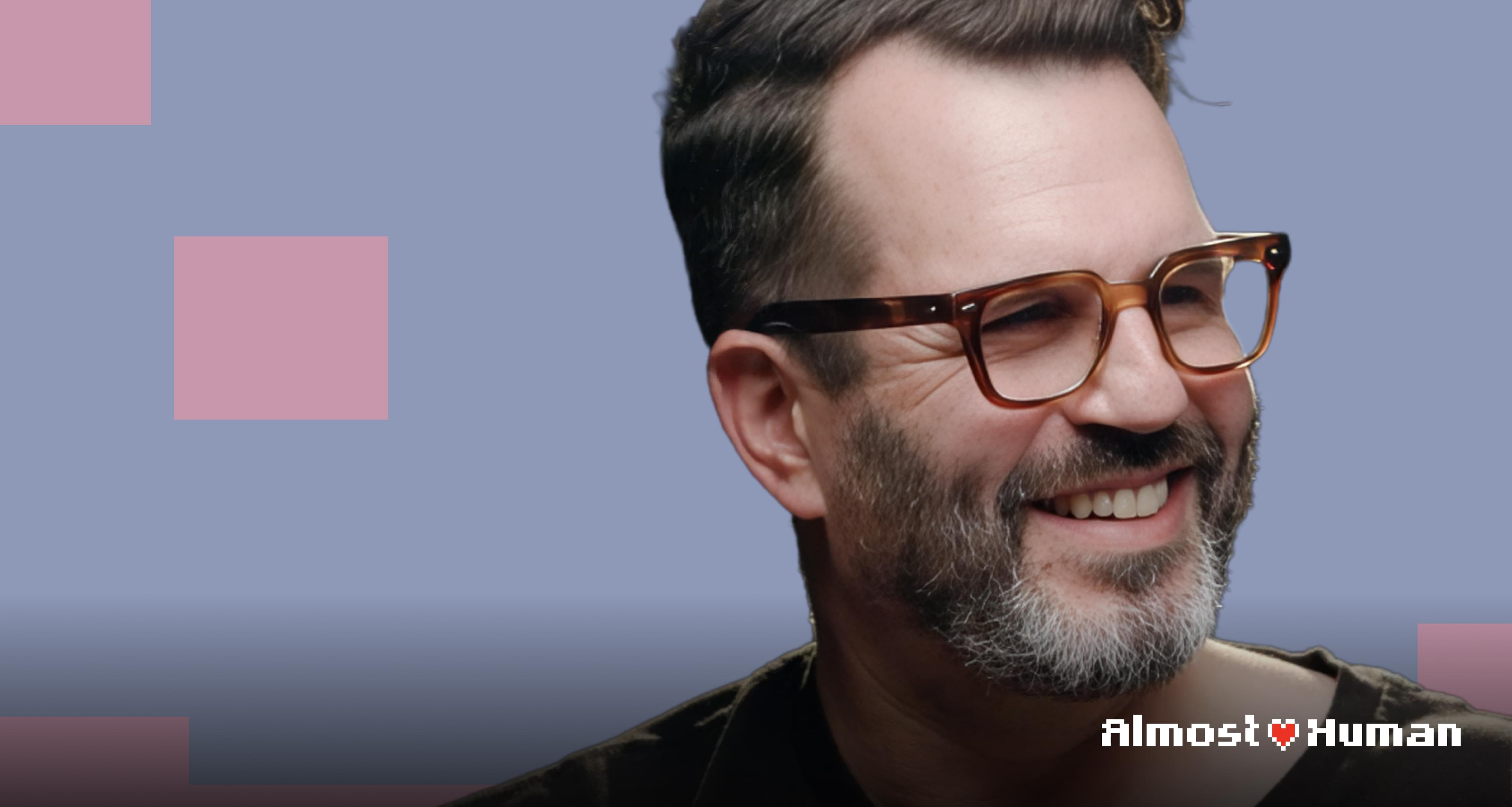
In the very first episode of Yalla, Let’s Go!, Erica and Abbey sit down with Avi Lewis, who made Aliyah from Australia and now lives in Israel with his wife and four children. Avi is a software engineer at Meta’s Tel Aviv office and shares daily insights on LinkedIn through his “1 idea a day” series, helping people navigate Israel’s tech job market.
Yalla, Let’s Go! explores what it really means to make Aliyah and build a life in Israel - the opportunities, the challenges, and everything in between. Each episode features candid conversations with Olim from diverse backgrounds. The podcast is produced by Aleph, the team behind Invested, Israel’s leading English-language business podcast.
If you enjoyed this episode, please rate us 5 stars wherever you listen to podcasts.
00:00 - Intro
03:01 - From Australia to IDF to Meta
04:45 - The real reason Avi chose Israel at 16
05:56 - How Olim actually break into Israeli high-tech
07:14 - The Olim advantage Israeli employers don’t see
08:09 - How one LinkedIn post helped a reservist land a job
10:32 - The biggest lie Olim tell themselves before moving
12:53 - Do you need to be rich to make Aliyah work?
15:50 - Soft landing vs. hard landing: which one really works?
18:14 - Do you ever regret moving to Israel?
00:00:00 Avi Lewis
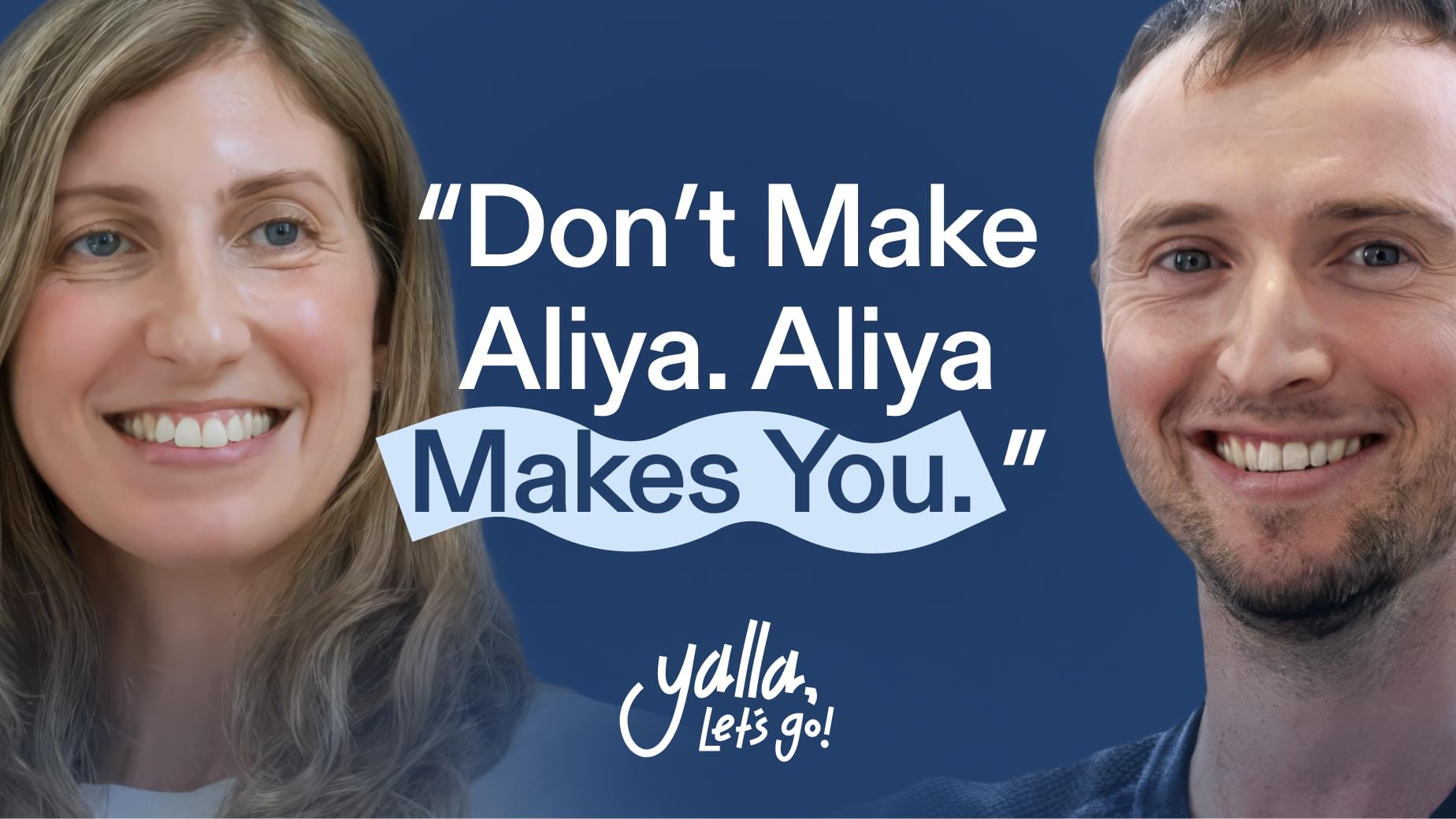
There's this line that I really love. Don't make aliyah. Aliyah makes you. The truth is that life here is usually nothing like life there.
00:00:08 Erica
Do you believe that aliyah is for everyone? What happens if you can't afford it?
00:00:13 Abby
Is there one thing you would say to people who are considering it, One kind of piece of advice that you would say makes it easier or makes it feel a little bit more realistic?
00:00:22 Avi Lewis
So my advice to any prospective Olim is...
00:00:24 Erica
Is Abby and I seriously started this podcast because we felt like we needed to be reminded of why we live here. And I feel like you just did that. Welcome to our first ever episode of Yalla. Let's Go. The podcast that Abby and I started here at Aleph to talk about what it's really like to make aliyah and move to Israel, and also remind ourselves why we live here in the first place. I'm Erica. I'm the CMO of Alif. I was a journalist for the BBC for 15 years, and I made aliyah almost 20 years ago. Exactly. I married an Israeli. I've got three kids. And I'm so excited to talk to you all about life in Israel.
00:01:08 Abby
I'm Abby. I'm also an olah from the United States. I've been here for almost 11 years. Married to Oded, mom of three, and currently the founder and executive director of the Nevo Network, which works with olim from all across the world, helping them accelerate their career and life in high tech. And couldn't be happier that we're doing this, because we need to remind ourselves every now and then why we're here.
00:01:30 Erica
Remember when we were on flights back from the US this summer? Yes. And we were all writing to each other like, what the hell are we doing?
00:01:37 Abby
I think it was the trifecta of Trader Joe's, TJ Maxx, and Target, and really good parking. And we were like, what are we doing in Israel? And we thought, okay, let's have some frank conversations about what we're doing and why we live there, because we love it here. But a reminder is good.
00:01:54 Erica
So we're going to talk to people from all walks of life. We're going to talk to chefs, people who work in high tech, athletes, influencers, even some politicians, and ask them all the questions you really want to know about what it's really like to make Aliyah and make Israel your home. So before we get started. Pulse check.
00:02:10 Abby
Pulse check.
00:02:10 Erica
How are you feeling about living in Israel today? Didn't you just receive some huge award from the president of Israel?
00:02:19 Abby
Nevo, the organization I run, received the award and I was very, very honored to receive it on behalf of Nevo. It was for extraordinary impact on immigrants. And honestly, it is not for me. It is for, you know, the 175 members of Nevo who did amazing things during the war and who are contributing every single day to making the lives of newer immigrants better. But it was a very cool acknowledgment of the work that we have, all of us built in the last five or six years.
00:02:47 Erica
We're here today with Avi Lewis, a software engineer from Meta who's also created a website to help job seekers find jobs in high tech in Israel. Avi, thank you so much for joining us today.
00:02:59 Avi Lewis
It's a huge pleasure.
00:03:01 Erica
So tell us your life story in one minute.
00:03:04 Avi Lewis
One minute. Wow, that's tough, basically. But I can do it. Born and raised in Australia, oldest of three, I went to a Jewish day school when I was. I already knew from an early age that I wanted to make aliyah. Probably around 16, I came here the first time to Israel between 10th and 11th grade. And then that sort of solidified my idea. I told my parents I want to make aliyah. They said, well, maybe you should wait for us, go to university, get your degree. I was like, no, mom and dad, I feel like I really want to do this now. And they trusted me, which was amazing. At age 18, I got my one way ticket. I came straight here to Israel, did kibbutz Ulpan, learned Hebrew, did garin sabar, which is a pre IDF lone soldier program. And then I enlisted in the idf. I was a lone soldier. I was there for three years of some of the most meaningful and high impact moments of my life. Friends for life, incredible things, really just pushing your mind and body to limit. And I really felt that I was sort of fulfilling that dream that I always had. During that time, I also met my wife. She was from Canada. She was here on her gap year. We stayed in touch, eventually got married. After that, I landed a job with Meta. In the meantime, my wife and I got married. We had our first kid, then a second and a third and a fourth. Since we made aliya. My wife's parents made aliya, her siblings made aliyah, my sister made aliyah. There's like a whole extended network of people who have come because all of a sudden it became possible and it's just incredible to see. And we now feel in the beginning we felt alone, but we love the independence. And now we're surrounded by our family who have also chosen to make the move.
00:04:45 Erica
So take us back to that moment. You said that you knew you wanted to make Alia. Why? What was it that drove you to want to make Israel your home?
00:04:53 Avi Lewis
I'm a grandchild of Holocaust survivors, and I was raised on those stories and all of a sudden there's this moment, I think as a 16 year old, that light bulb moment. Like, hey, we actually have our own state now. Like all those stories that my grandparents talked about from the 1930s. Now we actually have a place like a place of refuge that can protect us. And that felt incredibly meaningful after everything that they had gone through. It was also very exciting. Just I was a bit of a bookworm and I would read Jewish history and I just felt that this is a really exciting moment in Jewish history, that for the first time in 2000 years we have our own state. We waited so long for it and I just wanted to be part of it. Australia, in Australia had a really good life. Never experienced any anti Semitism. Life was very comfortable. Life was very predictable. It was kind of like you finish high school, go to university, get your first job, eventually get married, have two and a half kids, like the wide picket fence and everything. Yeah. And as a 17, 18 year old, I also wanted that adventure to sort of like be here.
00:05:56 Abby
Since you've been here, you've done, as you said, a ton of different things. And I think one of the things that you are most known for is helping other immigrants, other olim find jobs. Can you talk to us a little bit about how you found your way to Meta and what it's been like for you there?
00:06:10 Avi Lewis
So I just submitted my resume kind of on a whim, without thinking too much about it. And then I got a call like a day later saying you come in for an interview. I was like, sure. And that was basically it. And since I was second year computer science, I was already quite prepared for like the interview questions were more or less in line with the syllabus. And then I got my first job that way. But I think that today I speak to a lot of Olim and Israelis looking for their entry level position, first position, and also olim who want to make the pivot into tech. I think that today it's still possible to get in through the conventional means of just sending in a resume and people do get in that way. But I think that today one of the biggest factors that can contribute to someone's success in landing a job in tech, and I think this is true also outside of Israel, is the unconventional methods, so the strong focus on networking, building in public, having an online presence and a personal brand–like those are the things that today make a difference and help you get noticed to land that first job for sure.
00:07:12 Abby
And I think it's something you actually do beautifully.
00:07:14 Avi Lewis
Right.
00:07:14 Abby
You're posting one thought a day and we're reading lots of them. I think one of the challenges Olim also faces, they bring a different kind of cultural background. They don't always speak Hebrew. It's one of the things that you committed to early on. What do you think Olim have that are often undervalued or maybe not understood by Israeli employers?
00:07:32 Avi Lewis
Well, Olim obviously bring with them the huge advantages they bring with them, that firstly a second language fluency and native abilities and also that cultural understanding. A lot of one of the reasons why a lot of the startups and tech companies have Olim in those go to market positions, customer facing positions is because they're from those cultures and they have that understanding. So I think like a lot of times it sort of fits like a glove to a hand in that sense.
00:08:01 Erica
Do you know how many olim you've actually helped find jobs? Like, do you have any story that maybe stayed with you that you could share with us?
00:08:09 Avi Lewis
So I have the website that I created, Guzali.
00:08:12 Abby
Yeah, we're going to link to it in the show notes.
00:08:13 Avi Lewis
And it just began with conversations from friends who began asking me questions like Avi, should I learn how to code? What does it take to land my first job in tech? And I just saw that these questions were coming to me again and again, again from many different people. So I thought let's create a website. And the idea behind the website is all the data in one place. Open positions can also leave your details so that recruiters can get back to you. It has links to different job posts and community boards and Facebook groups and LinkedIn groups and WhatsApp groups and also just like a map of the ecosystem, different startups and companies. So I don't actually track who uses the website because I wanted to keep it as open as possible without paywalls, because it really is just about connecting employees, employees to employers. So I have had people message me saying that they landed a job that way and that obviously gives me incredible satisfaction because it was never about creating an internal business. This is particularly true since the last two years I've a lot of reservists have reached out to me when they came with difficulties about landing jobs, especially because of their reserve duty. Some of them were fired. There was one reservist who reached out to me saying that he was doing tours of duty. He was a student at the time. He wasn't able to land a job. He was sometimes getting called in for an interview, and then he wasn't able to make it. So he reached out to me and said, “Let me post this on LinkedIn.” Just as an anonymous post. Like, just screenshot your message, blank out the details to keep you, keep it private, and whoever wants to reach out to me can just reach out to me and then I'll forward them your resume. And so I did that. The post went viral. And I got tons of people just asking for this guy's resume. And then out of the blue, like three months later, he got this like one word, like one sentence message saying, I love you. Said, really? What happened? I just landed the job.
00:10:09 Erica
Wow.
00:10:09 Avi Lewis
So that gave me incredible satisfaction.
00:10:11 Erica
Yeah. That's wonderful.
00:10:12 Abby
That's gorgeous. So in addition to the website, you actually do a lot of workshops either through Nefesh Benefish, and I heard yesterday from make and Jill that you guys are going to run one together. What do you try to share in that? If you can kind of call it down to one tip or kind of one mistake, you see that Olim continue to make, what would you say?
00:10:32 Avi Lewis
There's this line that I really love, which is, you don't make aliyah. Aliyah makes you. I think I read it. I think Rabbi Avi Berman from the OU, in one of his columns, he mentioned that. And what I love about that is that afraid Olim come to Israel with a certain set of expectations and with a plan. And I think that's great and it's important to come with a plan. But the truth is, is that life here is usually nothing like life there. I think that some of the most beautiful things in life are really unplanned. If I reflect now on my own aliyah and I look back all those years, I couldn't have imagined where I would be today. And so much of who I am today, my identity, my family, my kids, my life, is as a result of that. So I think Aliah is very much about staying open, staying flexible. It's a self transformation. And I think that's really the biggest thing. It isn't easy always. There's usually ups and downs, but it's about embracing that flexibility and coming open and embracing that change and looking back at it with wonder on how beautiful your life has become through that, because you're not going to be the same person as you were back there. It's about creating a new life.
00:11:54 Abby
I deeply agree with that. And I think it connects back to what you said in the beginning about the sense of adventure. Right. If you have that sense of adventure, it feels like that the ability to be open kind of is hand in hand with that. And one of the things I think people struggle with, but I think if you can state that out loud, that it helps people embrace it. So thank you.
00:12:10 Erica
You post a lot on social media. Your one post a day sometimes in Hebrew lot like, wow, your Hebrew is great. One of the things I love that you recently posted was an article that you wrote about like the two main things that like olim are most concerned about when they make aliah. Yeah, it's not security situation, it's not the war, whatever. It's actually like employment and affordability. And I wonder. You gave a lot of tips about like, you know, there's things that people could do, they could take a serious pilot trip. They don't have to live in the center right next to Tel Aviv to make it, you know, more affordable to live here, to find a job here. What it made me think is, do you believe that aliyah is for everyone? Do you think that everyone can, should make aliya? What happens if you can't afford it?
00:12:53 Avi Lewis
Aliyah is a personal decision. My parents haven't made aliyah yet. My cousins, my aunties, my uncles and I also think that there's value to having thriving Jewish communities in diaspora. So I think it's very, very personal. I do think though that firstly I very much agree that affordability and employment is probably the biggest concern. I actually saw this, I was in Australia a month ago for the aliyah conferences there and almost all questions I got were on that particular topic. I think that now, unfortunately, with the rise of anti Semitism, we're seeing that some people, unfortunately on some communities are being pushed to aliyah. I would say that if you can make aliyah well because of choice and not because of, because of circumstance. I actually just got off a call recently with a young couple from the states of a few kids and he calculated, he threw out some number. He said if I can't make this much amount of money and in Israeli terms it was basically the equivalent of being like in the top 1%, I can't make this, this amount of money, then I'm not making aliya. It's kind of like me saying I'm only going to move to the States If I can live in the Upper west side, make half a million K, send all my kids to private Jewish school, and have two cars. So on the one hand, in terms of replicating the lifestyle that you have in the States, maybe that's true. Maybe that's the figure that you do need. But there are other options. And I think that if someone really tries to sort of examine all the different variables that are. So one of them could be location. The other one could be community. The other one could be the kind of job that they get, sense of satisfaction, fulfillment, raising their kids here in Israel, there's all kinds of different variables. And I think that sometimes reality does come up against the dream of, like, I want to replicate that lifestyle. And then the question is, what's going to give? And I think that everyone sort of has to sit down and ask themselves that question, like, do I forego the location? And maybe I won't live in the old north of Tel Aviv or in Modiin. Or in Ranana or in the German colony of Jerusalem. Maybe I'll look at some other community that's a little bit more affordable. Or do I say, no, I'm going to do that no matter what, but maybe I'll compromise on the apartment. There's also some temporary humility involved in making aliyah because it takes time to sort of just learn the ropes, learn language sometimes to land a job.
00:15:16 Abby
I deeply, deeply agree with you that it's such a personal and individual decision and that there is absolutely humility because there's a lot of restarting. And I think it's hard to replicate necessarily what you had. And I think that plus a sense of adventure, makes it a little bit easier to imagine. So you said you were at this conference in Australia, and I know that you do this kind of on the regular, but despite it being personal, is there one thing you would say to people who are considering it or even people who maybe just arrived, one kind of people piece of advice that you would say makes it easier or makes it feel a little bit more realistic.
00:15:50 Avi Lewis
So I want to talk about learning Hebrew, and I. And I also want to talk about the stuffed versus the hard landing. When I was in Australia, I spoke to a lot of families. So people who are in their 30s and their 40s, they have kids who are still at school. And there was this question that came up of the soft landing versus the hard landing, meaning, do you. Do you aim for sort of getting to a community where you don't have to learn Hebrew and you have more of that soft landing or do you go straight into maybe a place that's a little bit off the beaten track for Olim, that sort of forces you to learn Hebrew. And I think that's also a very personal decision. One of the advantages of making aliyah early so post high school, while you're still single, if you don't have kids, is your ability to take more of a risk as an individual. So if that means immersing yourself in a Hebrew speaking environment, that's incredible. And that really can build you up for life. I also think that remaining an olah is also kind of a mindset. I know people who had made aliyah two, three, four years ago and they really made a huge effort to integrate and they don't consider themselves olim. I also know people who have been here for 30, 40 years who still feel like Olim. So I think there's also this mindset of like, I'm going to integrate, like I'm going to grind my teeth on the Hebrew because it does take hard work. It doesn't come naturally. And Hebrew isn't a European language, it's Semitic language. So it takes. It's also written the other way. So it is a lot of hard work. And the question is, are you able to invest that time? Are you at a stage of life where you can, do you have the motivation to do it? I also think the first year or two is critical because after that, most people just sort of tend to find their groove and then they get comfortable and they're like, okay, this is my community, this is my place. And your level sort of peaks in terms of Hebrew. So my advice to any prospective early me is do you have the leeway and ability to dedicate your first year of aliyah to going all out on integration, on speaking Hebrew, on learning Hebrew, on immersing yourself in a Hebrew speaking environment, on getting to know Israelis.
00:18:02 Abby
I just want to say that Covid really helped me because my Hebrew plateaued and I was like, look, I have all this extra time and I'm going to double down on Hebrew. And it really, really changed my integration in the nation. So I really agree yourself.
00:18:14 Erica
Do you want to do the rest of this bias? I want to be really honest for a second with you and ask you a more difficult question. Life here hasn't been easy, especially the last couple of years. Is there ever any part of you that thinks about, should I go back? I know particularly, you know, in light of devastating days, you know, that there were an Australian Jewish community over Hanukkah how does that kind of make you think about the place where you grew up?
00:18:41 Avi Lewis
I always came to Israel. I felt like I was on a mission. Like you mentioned, adventure, mission in the spirit of John F. Kennedy. Ask not what your country could do for you, ask what you can do for your country. I always felt like, what can I give to Israel? I want to be part of this story. And that adventure came with that mission, came with that sense of purpose. I only feel that my life here has just gotten better and better. So I never had to struggle with those thoughts. I have visited Australia. My wife's from Canada, would also visit Canada regularly to see her family. I think the last two years have shown us very, very unfortunately, as the sort of collective memory of the Holocaust fades in the west and we have this re emergence of antisemitism, on how pivotal and vital having Israel as a free, open, strong Jewish state is for Jews abroad. It's very, very sad to see what happened in Australia, I don't think. I think it caught us all off guard. It was a huge shock. I was just there a month ago. People talked about anti Semitism, and the levels of anti Semitism there were higher than anything that anyone had ever imagined. But I don't think that anyone really believed that it could come down to that. And it just shows that even a plate, a quiet place so removed and far from the rest of the world, surrounded by oceans like Australia, you could have such an attack. So I think that it is affecting a lot of people, and it just makes me feel like I want to double down on Israel.
00:20:08 Erica
What do you love most about living here?
00:20:11 Avi Lewis
Seeing my kids walk around, bare feet, speaking Hebrew, just living in the land, going on trips, being able to open up a Bible and say, hey, look, we're now in Beer Sheva. This is where our Ramavina was. We're now going up to the Galil. This is where the great battles of the Second Temple period happened between the Jews and the Romans. We just got back from the Golan, or sometimes we do a trip down to the Negev. Just like the land, the sea, the beauty of the people, the community, sets of community that we have.
00:20:43 Abby
Okay, you said that you have a number of family members who are still in Australia. Parents, aunties, cousins, all of them. If you had to sell them on aliya right now, how would you do it?
00:20:52 Avi Lewis
Life in Australia is comfortable. And unfortunately, in the last two years, we've seen that it's gotten a little bit more tough to be a Jew in the open. If your Jewish identity is proud to you and you want to wear it on your sleeve and you feel connected to the Jewish story, this is the place where it's happened. The Jewish story is like a theater production. You have those on stage and you have those in the audience. Here in Israel. We're on the stage.
00:21:16 Erica
Last question. When you're 70 years old and you're looking back on your life, what is one thing that you think will have been true because you made Aliyah move to Israel? That wouldn't have been true otherwise.
00:21:28 Avi Lewis
My grandkids will be Jewish. Wow.
00:21:32 Abby
All right, we're going to get lighter now, and we're going to jump into some rapid fire. Favorite Israeli snack.
00:21:37 Avi Lewis
Buisli
00:21:38 Erica
What's your favorite place in Israel?
00:21:40 Avi Lewis
Tel Gezer.
00:21:42 Abby
Favorite Hebrew word or slang?
00:21:45 Avi Lewis
Sababa.
00:21:46 Erica
What's the thing you miss most from back home?
00:21:48 Avi Lewis
Parents.
00:21:50 Abby
What does Saturday or Shabbat Opel to you?
00:21:54 Avi Lewis
Tranquility.
00:21:55 Erica
What is your best only in Israel moment in one sentence?
00:21:59 Avi Lewis
Taking the kids to the beach in Netanyahu on Saturday night with my wife. Empty beach. Kids frolicking in the warm water of the Mediterranean and my wife just looking at each other and saying, we're home.
00:22:10 Erica
Abby and I seriously started this podcast because we felt like we needed to be reminded of why we live here. And I feel like you just did that. When I'm feeling like I need to go back, then I'm just gonna call you. Thank you so much, Avi, for joining us.
00:22:21 Avi Lewis
Thank you. This is really stressful.
00:22:25 Erica
Yeah. Let's.

Follow Avi Lewis on Linkedin
Learn more about Goozali
Subscribe to Yalla, Let’s Go
Learn more about Aleph
Sign up for Aleph’s monthly email newsletter
Subscribe to our YouTube channel
Follow us on Instagram
Follow us on TikTok
Follow Aleph on Twitter
Follow Aleph on LinkedIn
Follow Aleph on Instagram
Hosts: Erica Marom, Abbey Onn
Executive Producer: Sarah Bard
Producer: Sofi Levak, Dalit Merenfeld
Video and Editing: Nadav Elovic
Music and Creative Direction: Uri Ar
Content and Editorial: Kira Goldring
Design: Rony Karadi
Follow Avi Lewis on Linkedin
Learn more about Goozali
Subscribe to Yalla, Let’s Go
Learn more about Aleph
Sign up for Aleph’s monthly email newsletter
Subscribe to our YouTube channel
Follow us on Instagram
Follow us on TikTok
Follow Aleph on Twitter
Follow Aleph on LinkedIn
Follow Aleph on Instagram
Hosts: Erica Marom, Abbey Onn
Executive Producer: Sarah Bard
Producer: Sofi Levak, Dalit Merenfeld
Video and Editing: Nadav Elovic
Music and Creative Direction: Uri Ar
Content and Editorial: Kira Goldring
Design: Rony Karadi
Follow Avi Lewis on Linkedin
Learn more about Goozali
Subscribe to Yalla, Let’s Go
Learn more about Aleph
Sign up for Aleph’s monthly email newsletter
Subscribe to our YouTube channel
Follow us on Instagram
Follow us on TikTok
Follow Aleph on Twitter
Follow Aleph on LinkedIn
Follow Aleph on Instagram
Hosts: Erica Marom, Abbey Onn
Executive Producer: Sarah Bard
Producer: Sofi Levak, Dalit Merenfeld
Video and Editing: Nadav Elovic
Music and Creative Direction: Uri Ar
Content and Editorial: Kira Goldring
Design: Rony Karadi
.jpg)
.jpg)
.jpg)
.jpg)
.jpg)
.jpg)

.jpg)














.jpg)
.jpg)
.jpg)
.jpg)
.jpg)
.jpg)
.jpg)
.jpg)
.jpg)
.jpg)