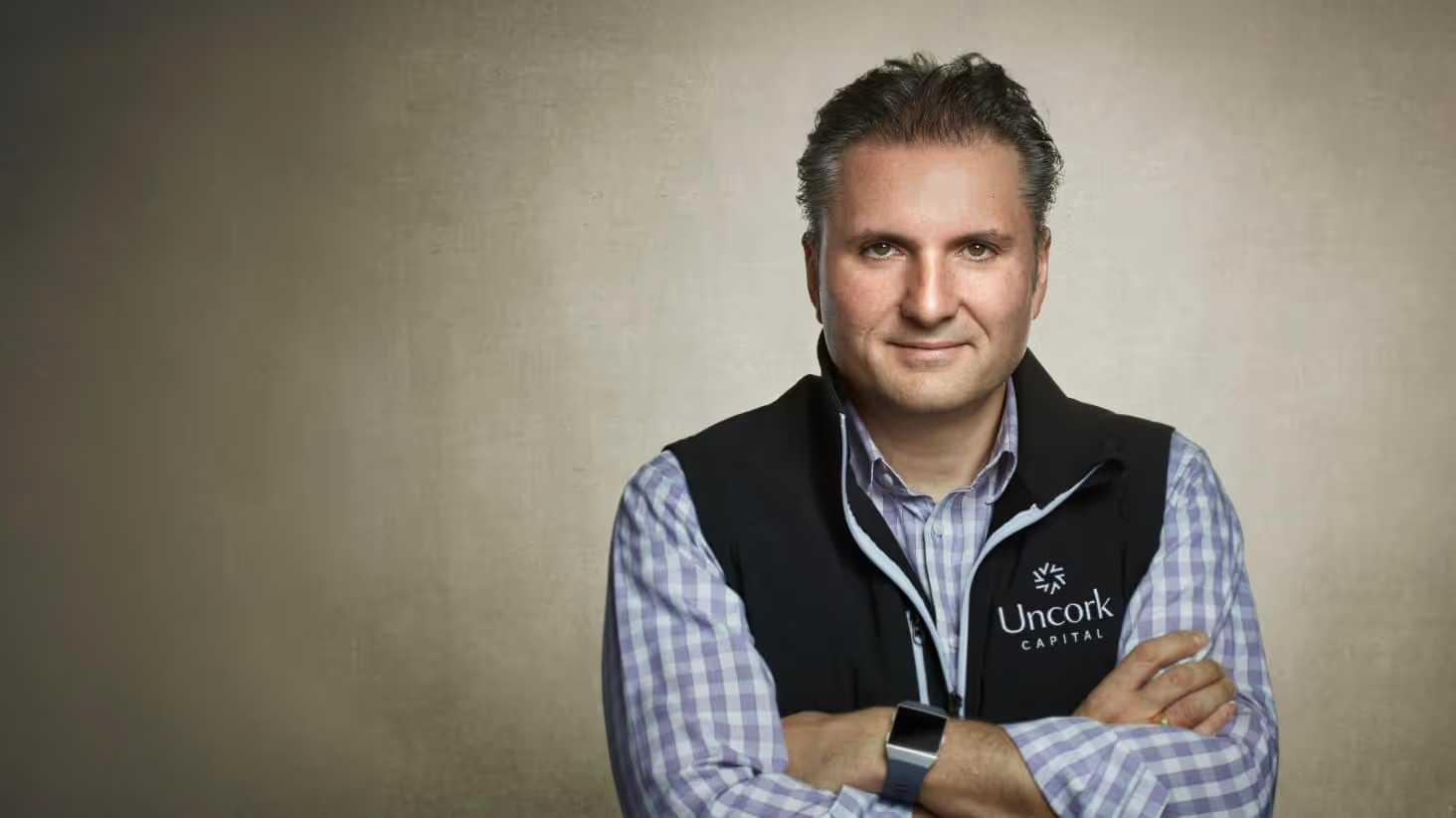
Jeff Clavier

How can values create value? On this podcast, Michael Eisenberg talks with business leaders and venture capitalists to explore the values and purpose behind their businesses, the impact technology can have on humanity, and the humanity behind digitization.




Jeff Clavier
Jeff Clavier
Jeff Clavier
Jeff Clavier
Jeff Clavier
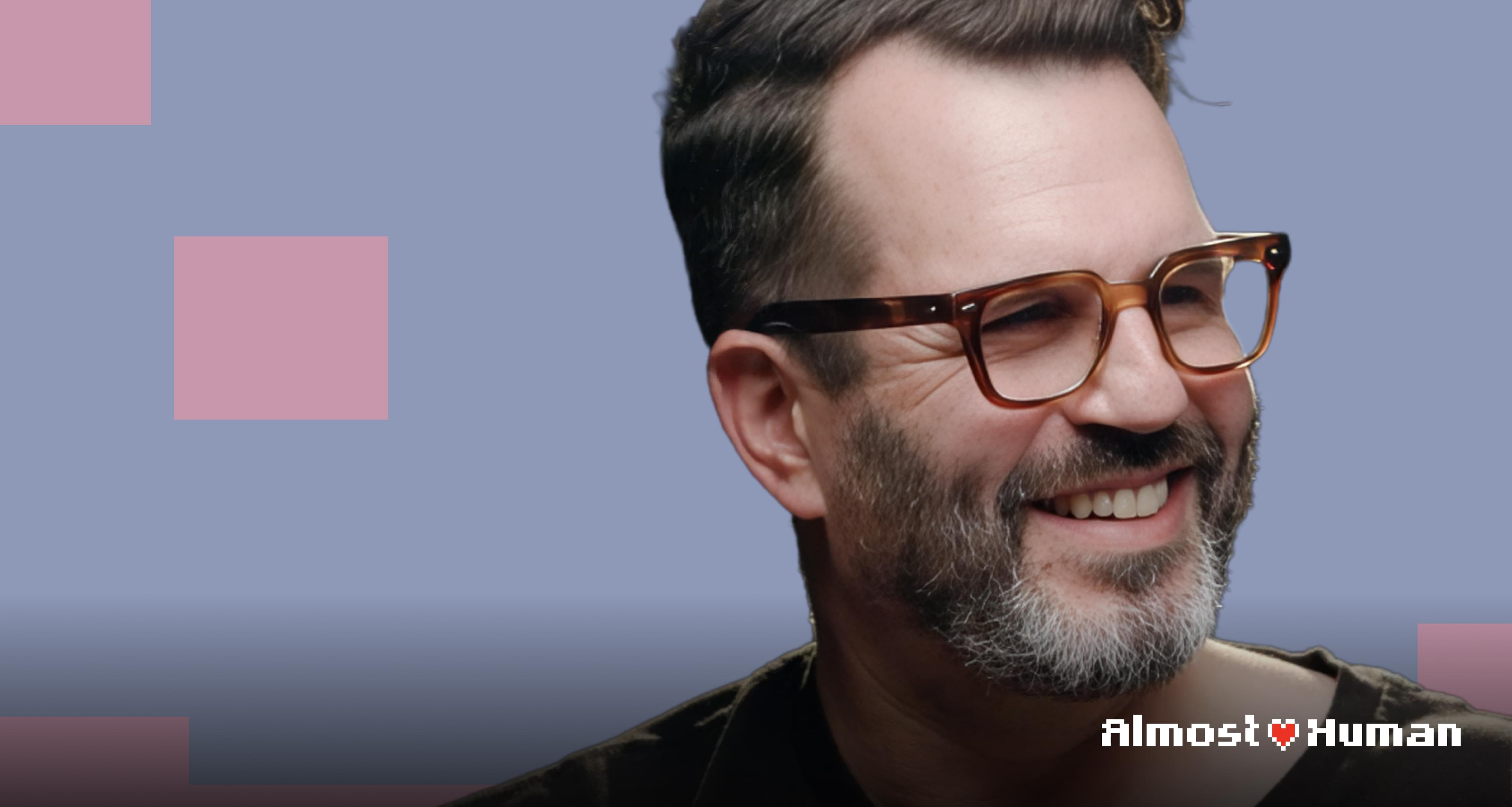
On this episode of Invested, Michael sits down with Jeff Clavier, the Founding Partner at Uncork Capital, a seed-stage venture firm in Palo Alto and San Francisco. Clavier founded Uncork Capital in 2004 (then called SoftTech VC) to provide active support and capital for companies in their first 18 months of life. Jeff has helped numerous companies reach successful outcomes, including Fitbit (NYSE: FIT), SendGrid (NYSE: SEND, Twilio), Eventbrite (NYSE: EB), Postmates (Uber), and Poshmark (NASDAQ: POSH). His current investments include ClassDojo, DroneDeploy, Shippo, Front, Loft Orbital, and Carrot Fertility.
Jeff was born in France and graduated from Université Paris Descartes with an M.S. in Computer Science. He was formerly the CTO and an early employee at Effix, a fintech startup that sold to Reuters. In 2000, he immigrated to the U.S. and joined RVC, Reuters’ $450 million corporate venture capital fund, as a general partner. He recently wrapped up his four-year term on the board of the National Venture Capital Association.
One of the early VC bloggers in 2004, Jeff is now a popular conference speaker and social media/TV commentator. When he is not spending time with Uncork’s portfolio companies, Jeff enjoys traveling, skiing, hiking, scuba diving, collecting wine, and hanging out with friends and family.
Please rate this episode 5 stars wherever you stream your podcasts!
00:00 - Intro
03:52 - Is Seed Investing Just “VC Tourism”?
06:08 - Why Being a “VC Lifer” Matters
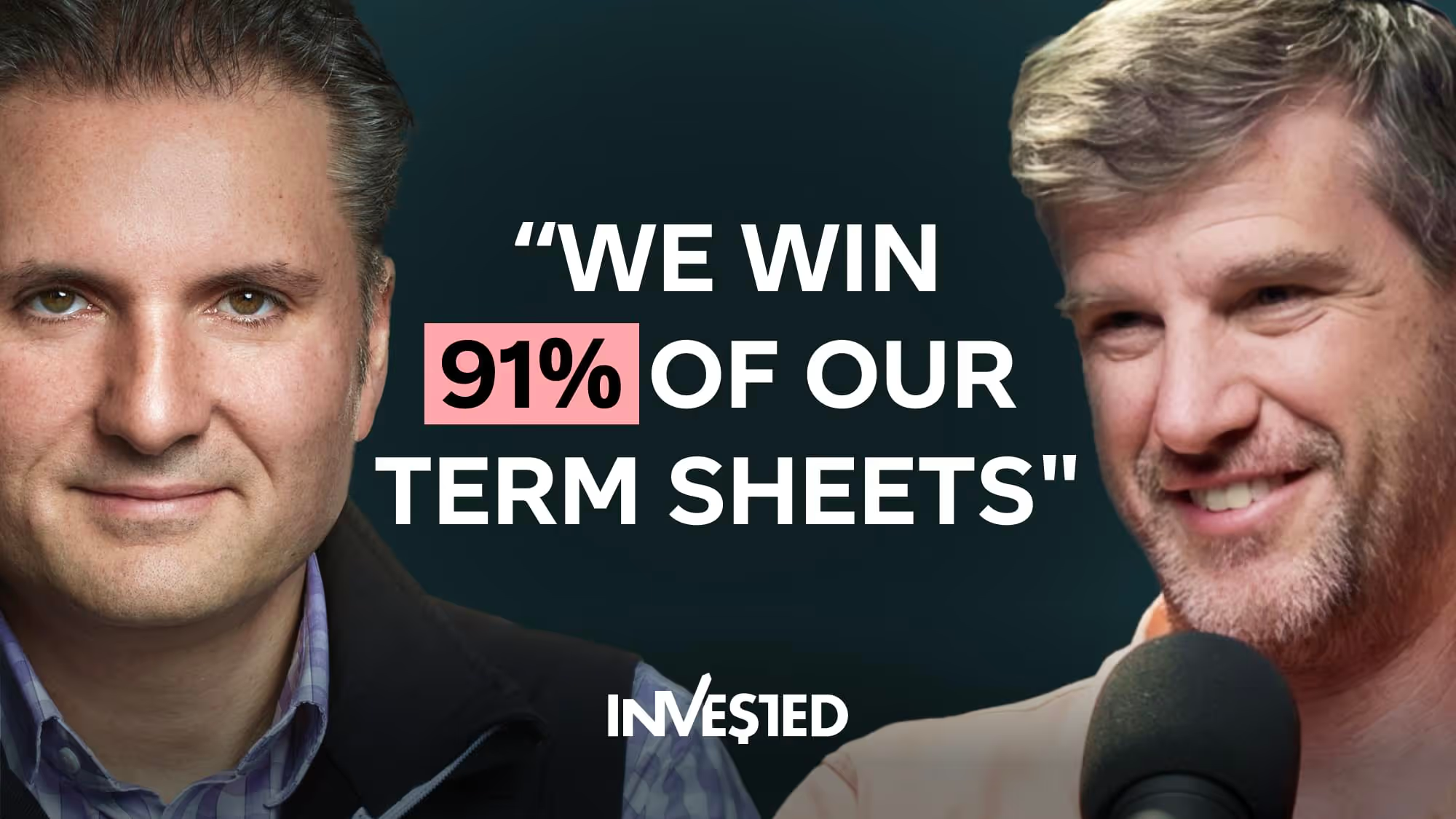
08:35 - How Uncork Wins 91% of its Term Sheets
11:59 - GP Fundraising is Harder Than Startup Fundraising
14:15 - Capital Bottleneck in Private Markets
16:38 - Now it Takes 15 Years to Prove You’re a Good VC
20:46 - The Real Choke Point in Venture Isn’t Seed
26:13 - The “Three Asses” Rule
29:00 - Gut Feel vs. Process
32:54 - Passing on LinkedIn and Uber
37:45 - How Do You Know if You’re Actually Good at Venture?
41:19 - Succession Planning: Stepping Back After 21 Years
46:09 - Uncork Can’t Depend on One Person
47:05 - From Venture to Winemaking
52:15 - Go Narrow First
Jeff Clavier (00:00.046)
I will trust you, and I will work with you, and I will back you, but fuck me once and we're done.
Of all the term sheets that we put down, we've won 91% of them.
So people once asked me what I was looking for. A smartass team building a kickass product in a big ass market. Those are the three assets.
Michael Eisenberg:
Was 2005 Jeff able to do that?
Jeff Clavier:
2005 Jeff was a dumb fuck who knew nothing.
I've been working my ass off for 21 years. Nights, weekends. I also want to get a bit more, sort of, me time.
If I was starting today, I would really focus my energy on, “Okay, this is the one thing I do, and I'm going to try and get the best opportunities in that sector and then grow from there.”
Michael Eisenberg:
How did you get the @Jeff handle at Twitter? How come I can’t get @Michael? Did anyone try to buy that from you?
Jeff Clavier:
Oh, fuck that.
Michael Eisenberg (00:53.24)
Welcome back to another episode of Invested. My guest today is Jeff Clavier. He is known as one of the best seed investors on the planet. And so thank you, Jeff, for joining us today.
Jeff Clavier:
It's a pleasure to be with you Michael, it's been too long I've seen you, so thank you for the opportunity.
Michael Eisenberg:
Yeah, just before we came on, I was mentioning, I think the last time we saw each other was probably six or seven years ago, in a cafe in Palo Alto. And the world has changed a bunch since then. Is that fair?
Jeff Clavier:
But that was definitely pre-pandemic, so I think you're even kind by saying 6-7 years ago. I think it's longer than that.
Michael Eisenberg:
Oh, wow. Well, maybe I should ask you, given that, has anything changed in the world of seed investing since I saw you face-to-face last?
Jeff Clavier (01:31.95)
Oh, we probably have added, you know, another thousand or 1500 seed funds since we saw each other since there were none 20, 21 years ago, when I started SoftTech now Uncork, raised one of the first seed funds in history, over $15 million fund two in 2007.
Then two, three years later, there were maybe 10, 20 seed funds. A few years later, they were 50. And then suddenly, because we demonstrated to the world that seed was actually an entry point for a lot of new managers, things just got out of hand. And now we have about 2000 seed funds. So somewhere along that curve, we've seen sort of a lot of capital flowing in the hands of people who are, you know, good, but maybe not VC lifers like you and I, right? Where for us there's not anywhere to go. We're sort of VCs and that's it, right? No one will ever hire us for anything else. Whereas people now think about VC as a step in a career, and they get in, and then they get out. And there's been a lot of fluctuations in the VC world, where people sort of join firms and then ping pong, go around, and then exit, and whatever. So it has been kind of interesting to see.
And in this world, where it's really hard for companies to raise a Series A or Series B unless they have that crazy traction with numbers, you know, going 5X or 10X a year and so on and so forth, we'll see the metal that those VCs are made of in order to help their companies.
Michael Eisenberg:
By the way, you just made my life a lot easier in this podcast because you really teed it up exactly where I wanted to go. So yeah, when we both got started, like there were seed investors. It was Andy Bechtolsheim from Sun, or some of the angels who invested in Google. And every once in a while you saw Larry Ellison do a seed round. Institutional seed environment. You were one of the first.
I think it's 17, 18 years at this point. You institutionalized it. And now it feels like everybody's got a seed fund. To your point, there's like 2,000 of them. And so I want to ask you three questions at the same time. Number one, is this actually a category, or is a lot of this tourism? That's number one. Which is kind of what you referred to about people kind of coming and going. But I want to understand if these people are serious investors, or they just want to have a cocktail party discussion. That's kind of point one.
Point two is, you're the granddaddy of the seed business. Nothing about your age, just you've been at it longer than anyone. How do you keep differentiating yourself differently today than you did 15 years ago? And then the third question is, has the geographic scope of what you do or need to do changed because of that?
Jeff Clavier:
Those are great questions. So I will answer the third, first. Geographically, we're still very much doing US and North America with a few investments in Israel, because obviously Israel is an incredible source of innovation and entrepreneurs. In the early days, we were very much CECONDAI in New York and Boston. Now we don't care where the CEO and go to market is in the US and Canada. But we really want the focus to be on the US market from a go to market perspective. And then, engineering can be anywhere. It can be back in Israel, could be in Europe, could be anywhere. It really doesn't matter, because the pandemic has taught us that you can really sort of be innovating anywhere on the planet.
And for us, what matters is this focus on the US market for sales and marketing. To your point about tourism, I do think that a lot of people who enter the seed market have a genuine interest in building something that will last. The problem is that sometimes they don't know how hard it is, right? Because I was a VC when I moved, I became a VC when I moved to the US 25 years ago. I did four years as a traditional VC before, starting SoftTech and Uncork. And that gave me an appreciation of what that means to actually be a VC, right? To actually manage a firm is a thing, right? And a lot of people just make the transition from angels or operators to VC without that prior understanding, and sometimes it's a hard landing when they figure out what that actually means.
So I don't know that there is a lot of tourists. There certainly were a lot of tourists in 2020, 2021, when literally you just did that and you raised a $15 million fund. Now, raising capital is harder than I've seen in maybe a couple of decades, right?
LPs are extremely demanding. They only back GPs that they think can really differentiate, and not only generate awesome returns, but also help them with liquidity. So the tourist aspect, I think, is sort of behind us, but you definitely hear people saying, “Look, I did this thing, I raised this fund in 2021, and it's hard, and so I don't want to raise another fund. So here is the fund. I don't want it. I'm just moving on.” And LPs are like, “Wow, you can't,” especially as they back some sort of GPs, there's nowhere to go, right? It's like, who do you give sort of listing portfolio to? So that's a real sort of concern. On the differentiation, I think that the big thing that we have–so we’re 21 years old, we're an adult firm. So I've built an incredible sort of team that is able to really help entrepreneurs go from zero to one, one to 10, and 10 to 100, and then, sort of bring in great co-investors along for the ride. And we're always, pretty much always leading or co-leading the rounds that we get involved in. We write the largest check. We always buy 10, 12, 15% of the companies when we invest in a seed round. And so, the number of leads in the market, firms that actually do what we do, that sit on the boards, that do all the work, is actually something that you can count on two hands, maybe four hands, right? So being 20 and 20. And over the last couple of years, I think our win rate is 91%. So of all the term sheets that we put down, we've won 91% of them. So, the differentiation is both the brand, the reputation, the fact that we really take good care of our founders. We've built this amazing team on the platform side, on talent, that support our founders, and our founders just preach about everything that we do for them. And they help us win more deals and they help us through referrals. So that's how we do it.
Michael Eisenberg:
Given what you said right now, I find in the seed stage that there's a lot of people who want to just join the rounds to the point you made, right? There are very few leaders, there's angels and seed funds, and everyone just wants a piece of the round. But given what you said now, is it worthwhile collaborating, or should you just take the whole thing yourself?
Jeff Clavier:
No, we fundamentally believe–I've always believed in the virtue of collaboration and bringing other smart investors to the party. So a typical Uncork round will be, Uncork takes, call it, 50, 60% of the round. Then there's very often a smaller seed or pre-seed fund coming in. We always leave room for great angels, people who have small checks, but can really be instrumental in supporting the company. And then we always make room for insiders if they want to do that pro-rata. So we, yes, we could take 20% of the round, but then if you edge people out, they don't come back and give you access to their deal. So you have to be super thoughtful about that. And sometimes even cutting back, and we've done it, sometimes we collaborate with our dear friends in the market and we just take 10%. So you have to be really mindful of not imposing too much dilution, have enough ownership for your own needs, but also make room for other people.
Michael Eisenberg:
A lot of art, not science. I'm curious about something you actually said about five minutes ago, which is that it's a hard time to raise capital right now.
Jeff Clavier:
Yes.
Michael Eisenberg:
I have to be honest with you, my experience is the opposite.
Jeff Clavier:
You’re that good, Michael.
Michael Eisenberg:
No, no. No, in the seed stage, everything's getting funded. And even quickly again, it feels like a little bit back to COVID. So, we're seeing things get done quickly. Why did you say it's a hard time to raise capital in the seed stage?
Jeff Clavier:
So it's a hard time to raise capital for GPs.
Michael Eisenberg:
Oh, for GPs.
Jeff Clavier:
On the GP side, a lot of programs are coming back as I'm sure you read the news, like a lot of endowments are under attack. So they're not really that interested to put money to work. so GPs have a hard time raising capital. On the other side, it's true that the dollar amounts that are being invested are sort of up and to the right. The number of deals are actually going down, which means that there's a super heavy concentration of dollars in the top companies and they're all AI companies. Like, I don't have Q3 numbers because we're just wrapping it up, but at the end of Q2, like 40% of all the dollars in the US, invested in the US, went to 10 companies. Just think about it, right? It's crazy, and certainly for anything which is AI, with AI something, right? Either a tooling or vertical applications with good founders or whatever, they certainly have a lot of choices as to where they get funded and things go fast. But it feels to me that we're just depleting funds very, very quickly. When I hear about the mega funds investing a billion here, or two billions there, whatever, like at some point they're gonna run out of their commitments. And founders have understood that SPVs are not that great, so if you can't do SPVs and your funds are running out, you need to raise again. Then if the LPs say, “Hey, I want liquidity, so I'm not gonna give you more capital, we're gonna have an issue.
I mean we just raised a brand new, fresh 300 million just a few months ago. So we're good for three years, but I know, and we raised in record time, we were done in 10 weeks. I mean, it's hard, like it requires meticulous preparation and work, but the execution was very fast and we appreciate all our LPs.
So the point is, you have to pace yourself, and the one thing that you and I know very well that LPs want you to tell them what you're gonna do, and you have to do exactly what you said you would do, right? That's what they want. And so if you say, “I'm gonna deploy this capital over three years,” and you show up after 15 months saying, “Oh yeah, I'm done. Get me more,” they will hate you. They may actually still give you another fund, but they will hate you.
Michael Eisenberg (14:14.892)
By the way, you teed up another topic that I wasn't planning on covering, but I want to cover it now, which is your allusion to the fact that perhaps private money is more finite. So there was an incredible chart by Michael Cembalest, who is the Chief Economist, I believe, or Chief Equity Economist at JP Morgan–hopefully they can put it in the show notes–where he basically says the reason that the US stock market keeps going up is because there's less and less equity available, and more and more funds available. So you've got all this kind of liquid money out there from retirement plans and other things that's got to go into an ever decreasing pool of equities.
And so it feels like the money for the public markets is infinite, almost. The money for the private markets, like I said, because you have to actually go through a cycle of raising for LPs. You don't have these automated things until the US government changes its laws and lets you make kind of automated contributions to private money, which may or may not happen soon.
Now it's making its way, I think, now through Washington. You've got this imbalance, where nobody's going public, unless you can get like 400 million. You've got to privately finance all these companies until you get the $400 million of revenues, from a finite pool of capital. And so you end up with this massive concentration like the MAG-7, a massive concentration in the private markets as well, and a drying up pool of capital. Where does this take us, if the US government doesn't change the regulation around kind of automated contributions to private capital?
Jeff Clavier:
Well, I mean, that gets us to kind of a starvation of, so the mega funds have also, and I would add to what you said, that the mega funds have just increased their hold on the market, where they have an ability to raise multi-million dollar funds every few years. And so a lot of the capital goes there. And at some point it creates a situation where VCs who were not established, who haven't proven themselves–and proving yourself is really like fund one fund two–it's all on paper, right? But then three, fund four, it's like, “Okay, well, show me show me the money,” right? Like show me DPI. and in an environment where–when you and I met, and I got going, my time to return, back in you know, ‘04, or five or six during like the only days of Web2, was barely three to five years, right? So that means that I was actually getting liquid within three to five years.
And when I raised Fund two in 2007, my angel portfolio was already 5x DPI, right? In three years, which would never, you would never dream of that right now. It's just impossible, given what the market is going. And then when I had my first IPO, Fitbit in 2008, it was after eight years, right? Now, you can barely hope to go public before year 13, 14, 15. So the time to returns has doubled, and the time to prove yourself, just think about it, 15 years, it's five fund cycles. It's crazy. And so what's happening is you have real pressure on GPs to monetize early through secondary liquidity, which the good news, it's available. The bad news is the discounts, the spreads are just massive, right?
And so, people are only interested in your best names, as always, and they want to buy your best names at massive discounts. And so you're basically trading your future returns to get a bit of DPI, which is really what LPs are trying to get you to do. So we didn't have to do that for a raise, but we know that there is definitely expectations to just actually show the money for real, because they need that to actually get the cash recycled and invest in new funds.
As you said, we're just stuck in the situation where there's a few IPO's, but like they're so high in terms of hurdles that they're hard to get. And M&A is kind of waking up, but it's in this kind of weird, especially given the environment from a regulatory standpoint, right? Where you can't really sort of buy companies. So you kind of invest in them, and you suck them dry of their talent or whatever. So it's super bizarre, right? But it's happening for just a happy few. And there is just trillions of dollars of liquidity stuck in the system, because we just need more IPOs and more exits.
Michael Eisenberg (18:53.39)
I want to combine two things you said and ask questions. So it's taking 15 years, plus it's getting harder for GPs to prove themselves because it takes so long. So you have fun done, fund two, you don't have liquidity, kind of, or sub-optimized liquidity through secondary. And you can't prove yourself. And so like, if you play this movie forward, is this bad for innovation? Meaning, it's going to be harder for people to fund breakthrough innovation in the early stages, because you can't get really new funds running with capable people who can do this?
Jeff Clavier:
I don't think so. I think we're going to get, and to be very candid, you and I could have had that conversation, Michael, like five years ago. And I would have said kind of the same thing. The scale would have been maybe a bit lower, right, but like people always–like, true entrepreneurs will find a way to get financed. It may take them two years to raise their first fund, but they will, you know, have at it and they will kind of prove themselves and hustle to raise another fund or whatever. So I don't like, I've been expecting a contraction of the industry and to be very candid, it hasn't happened. Because if you ask me, the last time it made sense to have the number of funds that we had was probably back in 2010, when there was like 25 of us.
Because it was really good, and we were working together, because no one had big funds, and so it was super collegial and it was awesome. It was a true community of people backing entrepreneurs. And then everybody raised, you know, big funds and started to not really compete, but like we can't see like three or four great funds working together anymore. It's just impossible. The rounds are too small and the funds are too large.
Michael Eisenberg (20:40.824)
The big ones are stuck with whatever supply is available.
Jeff Clavier (20:45.888)
I think to your point of innovation, I think that Seed is still very much able to support innovation. So precedency, the big question for me, where really we have like a choke point is Series A and Series B. Because what's happening is like everyone is trying to find a very, very specific type of company, which is reinventing a sector, or AI enabling, you know, certain functionality or tooling some things, and then they will sort of try and plop as much money as they can, and as soon as one of those does a Series A, you can almost be certain that within three to six months they're gonna do another Series B ,if it's not like three to six days, it's crazy right now. And so you just have this concentration of dollars in very few companies, but if you have like a normal company which is growing nicely but not crazy, it's super, super hard to raise.
And that's where I see, like we're to support these companies, we'll give them a second seat or whatever, and we'll try to get them to break even, like breaking even early is super hard and you never get to a great growth curve. And so you end up with something which is very interesting. It's really challenging, and we're trying to help our companies through this, and it's really rough.
So to me, if you ask me what am I sort of really concerned about for my companies, is their ability to raise the Series A and Series B.
Michael Eisenberg:
You're originally from Europe. I now live in Israel. The US stock market has raised the standards such that the banks only take you public if you got, three, $400 million of revenue. Why hasn't something like the AIM in the UK, the Nouveau Marché in France, the Tel Aviv Stock Exchange emerged as an alternative to be a kind of lower scale IPO, meaning go IPO here where you got $80,100 million, and then you can kind of do a list on NASDAQ or the New York Stock Exchange. It feels like one of those should emerge to compete.
Jeff Clavier:
That's a great question. We've certainly sort of asked ourselves that question with our companies, which are doing well and are in the hundred to $200 million in revenue, but can't go anywhere because as you said, you know. Like 200 million, I mean, I don't see companies, except on the crypto side, like most of what's gone public recently, it's more like in the 4 to 500, right? And so there should be an ability to do what you just said. I think that there's a lack of appetite and aggressiveness from those other trading places like Le Nouveau Marché or AIM. I think the Australian Stock Exchange is actually the one that has actually listed a few companies, like Life360 went public there. And the problem is that from an investor standpoint, today, if you do that, it's felt like a failure as opposed to a success.
And then they flipped everyone and went public on NASDAQ a couple of years later, which is incredible, right? It's a great company, which I passed on years and years ago. I was probably the first pitch of the CEO. And I remember it was the first time and last time I saw the entire team wanting to literally murder the CEO, because his speech was so bad. But Chris has done amazing afterwards. But it's funny. It's still stuck in my head. And so there should be this sort of on the ramp to it, that sort of goes, “You go public there, and then you go there.” But I think that the other markets are just not aggressive enough, and local investors are kind of afraid that they would get secondhand goods, right? So I think we need a few great companies to do what you just described and then maybe that will actually create an alternative way to go public.
But no one is really pitching that to us. None of the bankers are saying, “Okay, you guys, we're gonna take this company, that’s at 200 million dollars in revenue, we're gonna take it public there, and then two years from now, we'll be on Nasdaq.” And to be candid, I don't know how we would sort of react to that, because the question is, okay, what sort of multiple are we gonna get? Because over there, the multiples tend to be more compressed. And the thing is, for a great company, like, your ability to stay private and raise more capital at higher valuations is there. It's a fact of life. Just increase your ARR, get a good multiple, someone will fund you at like, okay, you raised at 1.5 billion, let's just raise that 3 billion, let's just raise that 5 billion. And so because the private markets at the growth sectors are really sort of easy, not easy, but easier to raise from, then you stay private for a long time.
Eventually, like we said before, there's just more money in the public markets. I think somehow someone's going to have to figure this out. Maybe it’ll be the Clavier-Eisenberg Alliance for Secondary Markets, for markets in other countries. List there first.
So you have something called the three asses rule.
Jeff Clavier (26:13.006)
Yes.
Michael Eisenberg:
You want to tell everyone about that?
Jeff Clavier:
I mean, I haven't sort of used the three asses for a while. It's basically, so people once asked me what I was looking for. And I said, “Look, it's basically a smartass team building a kickass product in a big ass market. Those are the three asses rule.” And we used to have a fun interpretation of that. I think we still kind of use that, but we focus more on, let's just zoom in on the team. So the smartass part. And make sure that we operate in the bigass market. then the kickass product is something that we'll care about. But because we were doing more pre-seed these days, we really sort of angle on the team.
Michael Eisenberg:
What is the smartass team?
Jeff Clavier:
It's the right combo of people who have enough experience of the sector that they're trying to work in, or the tools that are trying to build, so they can really understand their target user and the function that needs to be built–but are not so locked into it that they would not innovate and reinvent the way things are done. They have, you know, it's the right combo of like an awesome leader, someone who's great at projecting and telling a story, right? A storyteller in the CEO seat, someone who is able to attract both investors and employees. An awesome CTO, architect, someone who's really able to think about the next generation architecture, infrastructure, product that can scale and so forth. And if you add a third, that's probably someone who's really strong on the product side.
Michael Eisenberg:
You’ve been at this a long time, and I like to ask this question of people who’ve been at this a while. So that's what you're looking for. Do you have a methodology for knowing whether you found it, or is it all in your gut?
Jeff Clavier:
I mean, the methodology would be, hey, we just check what they've done. You know, we talk to references, we try and get a view from people in our network who know them. So very often we're going to fish in very dense ponds, like people work at Meta, or people work at Stripe or like, like really strong schools. Right. But sometimes we'll–recently we bagged the first engineer at Instagram. Shane is incredible. Based on their pedigree and resume, we're going to sort of know that they probably have something interesting, but at the end of the day, spent roughly between a week and two weeks to run our process. And it's kind of gut feel, confirmed by tools and references and talking to people.
But at the end of the day, when you meet someone, and you know that they have it, and you look at the team they've assembled, and your super impressed–I had the case recently with a company called Koobz, K-O-O-B-Z, which is additive manufacturing for the shoe industry. And the founder is incredible. He spent two years figuring out the process that the company was gonna use to print shoes at scale, and he assembled a team of execs that joined him at pre-seed when he had almost raised no money, because his vision is so great, and he is so great, that he convinced those people to leave their jobs or their retirement to actually join him. And when I saw that I was like, “Fuck, this is one of the strongest like exec team I've ever seen in a pre-seed stage company.” And so talking to him, spending time with them, I knew–and every bit of information that I gathered through my reference calls afterwards, were just confirming that, you know, gut feeling that I had.
Michael Eisenberg:
Was 2005 Jeff able to do that?
Jeff Clavier:
2005 Jeff was a dumb fuck who knew nothing. One of the things that you need to be a successful investor is being there at the right time, and be lucky. And I was there at the right time when–like often people ask me, “Hey, how would you go about starting Uncork in this market if you had to start now?” And my honest answer is like, “I have no idea what I would do.” Because by definition, what I saw in the market 21 years ago was a complete void, between angels on one side, the ones you mentioned, the greats, right? And the VCs. And because of the capital efficiency that web tools startups had, because suddenly the cost of innovation dropped massively, they just needed to raise like 250K, 500K, like maybe a million. Like a million dollar round back in the day was massive, right? But they still needed a lot of help. And so that was the idea. That's why they called us the Super Angels at the time, because I was writing my small checks, but doing nothing than supporting founders full time and putting them together.
So I was there at the right time, but yeah. What I got the privilege to do for the past 20 years was because I was there super early. I don't know what I would do if I had to start in this kind of crazy market right now.
Michael Eisenberg:
Yeah, I don't know what I would do either. You said kind of before in other forums that you had great regrets passing on LinkedIn and Uber, right? Those are at least, LinkedIn's about 20 years ago, a little less, and Uber, I guess, is a little more than 10 years ago at this point. Given what you just said now about your gut and 20 years ago Jeff, et cetera. Did you get it right? Did you get it wrong? And in retrospect, we all get these things wrong all the time. But like, what was it about not picking up the founder or not understanding something that you think caused you to pass then?
Jeff Clavier (32:53.72)
Trust me, I've replayed that, and I have Airbnb, I have so many. I have one of the best anti-portfolios in the market, sadly. So LinkedIn was 2004. I was there in the early days of social media. I was one of the early VC bloggers like you, right? You and I were blogging super early, like 2004, 2005. And the world of social media was kind of smaller. So I got to know Reid Hoffman pretty well, and he kindly offered me a spot in the angel round of the, it was a Series A, that Sequoia led. And he said, “Well, Sequoia doesn't want us to focus on monetization at all. So we're just going to build the network during the Series A,and we’ll raise the Series B and then we'll start monetizing.”
And I was like, “Dude, no one's going to invest in a social network for people, in industry, if you don't monetize.” And so I was like, “I just don't think it's going to work.” And so I chickened, I basically, I declined, and I didn't even decline in response to his email. In my stupid mind, I was like, well, if he asks me a second time, I will probably invest, but maybe I can sort of avoid it. And yeah, I mean, here went the LinkedIn investment.
And then Uber. So–I have a funny story with Uber. So everyone knows that Uber was supposedly conceived during a snowstorm in Paris during a conference called The Web, right? And Garrett was there, and Travis was there, and I was there. And actually, I actually led that group of people through the Paris subway, because Paris was completely stuck. And so we were on the outskirts of Paris. We took a cab. We basically got everyone to Subway, and then I led them to the hotel. And then we met for dinner later at Lenny Kravitz's house in Paris. And that's where they actually sort of talked about sort of starting Uber. So I was there. They actually pitched me in June of 2010. Travis was there, Saka had organized the meeting. And I was really sort of intrigued, but Travis said, “But I'm not going to be the CEO.”
And Garrett said, “I'm not gonna be the CEO.” And they had brought that random dude that they found on Twitter to be the general manager of the thing. And I was like, “Ugh, I like everything except the fact that you guys aren't CEOs.” And I basically sort of passed, because I asked Travis, “Are you gonna take over as CEO?” And he said, “No, I won't be CEO of Uber.”
And it was called Uber Cab at the time, right? And at the end of the summer of 2010, I had, like, one final shot to invest, and actually, I said, hey, there was like 100K available. It's crazy that Uber took the entire summer to raise 1.5 million, right? Crazy when you think about it. And I said, “I'll take the last 100K,” and they said, “Well, we'll give it to someone from the industry. So no thanks, but you know, good luck to you.” And that's my story with Uber. And to be honest, I can't blame myself. I mean, obviously I would have loved to finally put some shackles into Uber.
But I passed on for the right reason, because I didn't see that Ryan Graves, who's done incredible for Uber, was the right sort of general manager slash CEO for this company. If I don't believe in the CEO, then I'm not going to invest.
Michael Eisenberg:
I hope people listening understand how hard this business is. You're dealing with incredible uncertainty, people who are extreme personalities in some cases, you know, the signals that are early, you know–Uber took a whole summer to raise a million and a half dollars. You know, some guy with a PhD in data science is getting a million and a half dollars a month right now. And it became Uber.
And it was really not obvious. I sat through the Uber pitch when I was at Benchmark, and Benchmark invested. Even then, you know, it was interesting. It was cool. It was growing quickly. It still wasn't obvious. You know, they only had San Francisco. You didn't know they were going to be able to launch New York. You know, the TLC in New York's a little tougher than the TLC in San Francisco. But, you know, someone work out this is a hard business where everybody's got a big anti-portfolio because it's really, really unpredictable, which–
Jeff Clavier (37:22.946)
And people then tell you, ”But why didn't you invest? It's so obvious!”
Michael Eisenberg:
I wish. Yeah, exactly. In hindsight, everything's obvious. But that also begs the question. This is, think, something I struggle with also is like, how do you know if you're good at this business? Like you miss an Uber, you miss a LinkedIn. I missed my share as well. You hit some. And how do you know if you're good?
Jeff Clavier (37:45.102)
Two things. First, when I started back in 2004, I didn't want to risk other people's money. So I convinced my wife, my first LP, to let me use 250K of our hard earned savings. We had made a little bit of money at Reuters when we sold our startup. So I started with 250K saying, “Okay, if it works, we'll go to 500K.” So that was my fund. And I started making 25, 50K investments here and there. When it's your money, you really pay attention, right?
And like what I mentioned, the key thing for me that unlocked the now Jeff Cavier and Uncorked story is the fact that some of my early bets in the Web2 space got acquired super fast.
Like my first investment, Truvio, which was a video search engine pre-YouTube. Pre-YouTube, right? We funded it in January of 2005. And in December of 2005, there's a bidding war between Fox Interactive and AOL. And we sell the company to AOL for 17X our investment.
Michael Eisenberg:
By way, my first exit was to AOL as well. Quick hack. There you go.
Jeff Clavier:
God bless John Miller. I sold a bunch of things afterwards. We became good friends. And so that one, and then a few others, like literally, I had returned my own fund five times by the time, within three years. And so I wouldn't claim that I was good, but at least I didn't bankrupt the family, which was obviously my number one, you know. We had two young kids. My wife couldn't actually work until we got a green card. So I was the sole bread maker. So starting Uncork when I did was absolutely insane. I should have kept my cushy, busy job and my salary because, like, when you invest your own capital, you don't have income, right? So it was insane. What I did was stupid crazy. It just worked, right?
I think the imposter syndrome kind of left me in 2008, when I had my first IPO. Because, as you know too well, the day you actually put a company on the board, like you go to New York and you go to the ceremony at the NYSE or NASDAQ or whatever, then you're in the other band, right? The one that had IPOs. And then you start counting the number of stars that you have on the number of IPOs. Not saying that that made me good, but I felt that that brought some legitimacy to what I was doing. And then, I would say, now when I look back, so, $1.2 billion in management, 285 companies, a bunch of exits, a bunch of IPOs, and the team that I've assembled is exceptional. And I'm grateful for that. And I think somehow, I kind of didn't suck too much.
Michael Eisenberg:
What was the first IPO?
Jeff Clavier:
Fitbit, in 2008.
Michael Eisenberg (41:18.894)
It begs the question, so you just celebrated the 21st anniversary of Uncorked and you also, I think, announced that you're stepping back from day-to-day management of the firm. I'd like to understand first what that means, but the other question that I myself struggle with, and one needs to struggle with, is, when are you too old for the business? You finally convinced yourself that you're good at the business, or you can do this, or you don't suck at it, to use your term. Then, because these things take so long, these companies take such a long time, you find yourself in year 21 saying, “I'll take a step back, and maybe I'm on the other side.” How do you think about that?
Jeff Clavier:
I think that as long as you're working hard, you're getting great deal referrals from the ecosystem, and you're still able to make a difference for entrepreneurs, and your advice is on point and well-timed as opposed to, this is the advice that we would have given you 15 years ago–I think you can do this until whenever, right? To me, it's more a question of, hey, I'm 57, right? Actually, no, I’m 58, but I was 57 when I made the decision. And my wife retired three years ago from Stanford. And we have a one-year-old grandchild. What do we want to do as a family? And I've been working my ass off for 21 years, like nights, weekends, travel, and so on so forth.
And I've said, “Look, I've enjoyed this. This is my last mission. I'm grateful for what I've done, but I also want to get a bit more me time.” And I'm lucky to have my partner Andy, who's an incredible leader, who, like me, founded a startup and then going to venture. And I kind of groomed him, and he demonstrated–because he hired both the bulk of the team that we have–that he was an extremely gifted speaker on talent. And so I said, “Look,” because I started to make him sort of co-managing partner a few years ago. So we run the firm together. And as we raise our new funds, I said, “Look, it's time for you to run this thing. So I'll step back. You will be the sole managing partner.” So now I'm just a regular partner and I will continue doing this for another three years.
I'm super active, like I've already done two deals in the new funds, and I'm working on over a third. And this is awesome, because like the day-to-day management is something which I've now relegated to Andy. So not that I have more time, and I still don't do everything which I want to kind of slow down on like, travel and going out and everything, but I'm doing it on my terms. And we'll see in three years whether actually, you know, step back and stop being a GP, that's my intent, but maybe at the time I'll say, “Fuck it, I'm just gonna do it another fund, but at least the firm is in great hands.”
The pandemic really sort of triggered this to me. I was the key man, was the sole signature and I was the only one who could approve wires and stuff like that, right? And suddenly I was like, “Well, if I have COVID and I get under a ventilator, nothing happens.” And so I had our lawyers draft a business will, which was awkward, right? My wife and my assistant could deem me incapacitated and could pass the responsibility of signatures to the new COO of Uncork, Andy. That was awkward, dude. But that really sort of created, sparked this notion that, hey, we can never be in a situation where the firm depends on me sort of being there. And so we rewired everything so Andy could actually be the other guy who could make this run. And I was like, “Well, shit happens.” Unfortunately, I just learned yesterday that one of my friends just, he was like in his 50s, and he died in his sleep. It's a disaster, but this happens. And so you need to have a mentality where the firm can't depend just on you to be there. And you know, the show must go on. And so that sort of triggered these deep thoughts about how I wanted to make this happen. But also what I was doing, I was like, well, it's not a backup. He’s going to be the front man.
Michael Eisenberg (46:09.806)
Are you going to keep investing even if you leave the firm in three years?
Jeff Clavier:
I think so. I mean, I don't know. I can tell you that I've acquired a vineyard in Walla Walla, Washington. I'm starting a winery, which is sort of a new startup.
Michael Eisenberg:
Wait a minute, the French man has acquired a vineyard in Washington to make wine. I just want to make sure I have the picture clear.
Jeff Clavier:
Yes.
Michael Eisenberg:
Bordeaux wasn't good anymore? Climate change?
Jeff Clavier:
I don't–Bordeaux has plenty of great owners and winemakers, and I think they have their own issues with–and I don't want to go back to France anyway. So my wife and I have decided to move to Washington. So we're leaving California in six to nine months. We'll be up there in Walla Walla, Washington. We have bought a vineyard. We're making wine as we speak. We just got our Merlot and our Viognier picked up, and the rest of the fruits will be picked up in the next month. And we'll make three wines this year to get started. Small production, 350 cases on list only. So no retail presence, no wine tasting room, whatever. Super chill. And that's going to be a fun project for me to spend time on. As to whether I'll, I mean, I will keep my board seats. I will continue working with my companies. I may sort of mentor a few VCs, because this is something which I love doing and there aren’t that many great mentors or coaches for VCs. I may do that, but investing, I don't know. Probably not.
Michael Eisenberg:
What are your personal core values?
Jeff Clavier (48:04.716)
My dear friend and mentor, Brad Feld, told me about the ‘fuck me once’ rule, which basically says, I will trust you, and I will work with you and I will back you, but fuck me once and we're done, right? So I have this sort of deep sense of like, I support people, I help people, but if they fuck with me, then we're done. And I tend, like–my team will tell you that I don't care about people, which is both true and not true. I care deeply about a small group of things, and then don't give two shits about most, what they think, what they say. So very much, like, I've been there, I've got to where we are through hard work, dedication and supporting entrepreneurs. And those are the core values that we have, I think, at Uncork, where we're really there.
Like I was getting interviewed, and someone was asking like, “What's the key difference between you and other investors?” And I'm like, “Well, when there is a big messy problem that happens in a startup, we literally run towards it, and we're trying to fix it as soon as possible. Whereas, a lot of investors will kind of step back and see whether the thing gets treated, managed, handled without them getting their hands dirty. We really very much run towards those kinds of challenges.”
So it's what we do and how we do it, which is basically the core values that have developed over the past 20 years, and I make sure that, as I step back, it's really ingrained in the firm.
Michael Eisenberg:
What’s motivating you personally to kind of get at this this hard for 21 years and then now to step back?
Jeff Clavier (49:46.638)
It was a startup. So by definition, it was kind of weird. It was like, okay, there is an opportunity in the VC world, which hasn't sort of seen a new–cause we basically invented a new stage, right? You had angel, you had series A's, and you had nothing before, right? And we just inserted ourselves and we created an industry, which is managing billions of dollars, and that's created trillions of dollars of value.
And so I thought it was kind of interesting. My dear friend, Josh Copeland, I think has had a real vision that this could become, what it has become. It was more like, “Hey, this sounds like a good opportunity. Have at it and we'll see.” And like in 2007, I kind of didn't raise the fund because I wanted to, I raised the fund because I could.
Because people came to me and said, “Hey, you're good at this. This is working. You have all those exits, and outcomes, and companies and whatever. And you're basically getting in all the rounds you want. Like, why don’t you go PM with other people's money?” And I was like, “Well, I don't want to spend two years in misery to try and raise a fund. So if I could raise a fund quickly, I may do it.” And because I didn't need to, it kind of became a thing, which is kind of weird. It's really super bizarre where, literally I raised 15 million in eight weeks, right? Which never happens. So I got very lucky to talk to the right people, and at the right time in the industry and so forth. And then once that worked, then I was a fiduciary. I was responsible for this money that LPs gave me to invest. And I worked super hard to do everything as a solo GP.
And I was a sole GP for six years. probably slept, you know, three or four hours a night during that time, probably cut off a few years of my life because of that. And in 2010, I was like, “Okay, we're gonna raise the next fund, and I'm not doing this on my own anymore.” And that's when I decided to actually build a firm and bring a team together to support me. And I'm way, way happier now than I was then, because I had to do everything, every single thing I was responsible for. And now I'm actually sort of comfortable stepping back and letting my baby go, because he's grown up. The firm is an adult, and it's in incredible hands. It's a bit like when your kids grow up and they leave the nest, and you're supporting them and happy to see them, but they have to go.
Michael Eisenberg:
I feel like, by the way, this is just an incredible conversation around the evolution of the firm. If you were starting again today and you were 28, 9, 30–What's the current institutional seed thing. Where's the seam in the market today that you would go for if you were starting again?
Jeff Clavier:
So I think that what I would do is try and find a niche where I am incredibly well-suited to pursue the entrepreneurs, and the ideas, and I can add a ton of value add, and I would go from there. As of today, Uncork is investing in everything. We do consumer marketplaces, AI first services on the vertical side, AI tooling. We have a stealth investment in an LLM.
Personally, I do nothing but deep tech. And so there's nothing that we don't do, except we don't do much healthcare, but we look at everything. So we're the definition of a super broad investor. And we can compete because we're Uncork and we've had great outcomes in all categories. If I was starting today, I would really focus my energy on, okay, this is the one thing I do, and I'm going to try and get the best opportunities in that sector, and then grow from there. And I would try and be like, quite narrow, but really, really good and build the reputation of an awesome investor, entrepreneur support, great deal flow, and then take it to the next level and then start branching out.
Michael Eisenberg:
We lose a lot of money in seed investing, right? We lose a lot of companies. The ratio is, I asked Brad Feld, you called him your mentor, what to ask you. He said, “How do you decide and when do you decide to say goodbye to the entrepreneur when it's not going to work out?”
Jeff Clavier:
So that's really, really hard. We should probably say goodbye earlier than we do. Brad always told me, “Hey, I always write one check too many,” right? So I should probably, when things go bad, I look back and I say, “The last check, I should probably not have written it.” At the same time, there are sort of companies which sort of make it, after going through like really hard times. None of my multi-billion dollar exits made in a straight line. They all died almost one, two, three times. Seven times for Fitbit. And they still made it. And so if you're not there, I saved Postmates’ ass a couple of times by being sort of the provider of last resort. I fronted their payroll just before they closed the Series A.
I led the second seed because the thing was barely launched and wasn't working. So you have to have conviction and be supportive, but you can't be blind either. And so at the end of the day, if you've given it your all as an investor and you as the entrepreneur, “Hey, are you sure you want to keep on going?” And it's the case, we have those conversations with people now when a year, 15 years, 12 years into it, the company is like a 10, 15, $20 million, clearly never delivered on the promise of growing big and fast. What do you want to do?” And if the entrepreneur says, “It's just too hard, and I've tried everything, and I think I'm going to let it go,” then we're like, “Okay, fine, let's just sell the business. because for us, it's cash, for you, it's opportunity cost. “Right? It's your time.
And so you have to have real conversations. And that's why we want to build those real kind of trust and relationships with our founders, so we can have those very hard conversations. Those are the same when you have a founder who's gotten the company to a certain level and then peer's principle, they just can't scale, and you have to replace them. And that, unfortunately, those are tough times, but they happen.
Michael Eisenberg (57:21.07)
People don't appreciate just how much you put into that one answer. Like you funded Postmates’ payroll, even though it didn't have much to show for it. You did a double seed in Postmates, even though it didn't have much to show for it. At the same time, the guy was getting to $10, $20 million, and there aren't a lot of companies out there that get to $10, $20 million of revenue. It's just the dud is not going anywhere, and you have to have a hard conversation. It's really the hardest business. I need to ask you one last question, as we get into the hour mark here. How did you get the @Jeff handle on Twitter? How come I can't get @Michael?
Jeff Clavier (57:54.104)
So I was early on Twitter, clearly, right? But I wasn't Jeff at the beginning. I was Jeff Clavier. And I noticed that Jeff was taken by someone who hadn't tweeted for like, I think he had tweeted like once. And so I reached out to Ev, or Goldman, I don't remember who I pitched, but I said, “Hey, give me Jeff, and I will Tweet and I will do my thing, or whatever. So that will be good for you.” And I think they sort of figured out the transfer of handles through that process, and it was probably one of the first handles transfer.
Michael Eisenberg:
Has anyone tried to buy it from you?
Jeff Clavier:
Oh, fuck that. Hey, it's forbidden. It's against the TOS, but no, I mean, it's fun to have–because people don't believe that I have @Jeff and I'm like, well, I'm @Jeff–
Michael Eisenberg:
You’ll have great wine sales from @Jeff.
Jeff Clavier:
Yeah. But people think that Jeff space Bezos is Jeff Bezos, is Jeff Bezos without the space. And so I get a lot of mad, you know, support requests or whatever, you know. Like having and I got you know, my wife got @Bernadette as well. So we're one of a very very few first name handles couple.
Michael Eisenberg:
Wow.
Jeff Clavier:
And when I got @Jeff, people are like, fuck, how’d you do that? And a lot of my friends essentially like my friend Rodrigo got @Rodrigo through the same process.
So yeah, be early and hustle with the founders. Funny story, we talked about LinkedIn. At some point in 2005 or something like that, Reid asked me to actually stop being so aggressive at inviting people to join LinkedIn, because I was spamming everyone. I was in the race to, I don't remember if, like the first person to have 25 or 50 connections on LinkedIn. So I was super early on LinkedIn too.
Michael Eisenberg:
Amazing. Jeff, thank you for doing this. I really appreciate you taking the time early in the morning. This is an incredible conversation. And what I want people to actually take away from it is, number one, hustle counts for a lot. Number two, this is a hard business, and being at it for 21 years, knowing what you're doing and building a firm that lasts is actually super unusual in the business. And take anything you can from Jeff, any mentorship you can. I've enjoyed the relationship over many years, decades at this point.
So thank you for everything you do for the ecosystem, your investments, and really being the pioneer of the seed category. Thanks for joining us.
Jeff Clavier:
Thank you, Michael. I loved this conversation, and thank you for doing this. This is a labor of love, and building your firm is hard, but doing a great podcast is hard too. So thank you.
Michael Eisenberg:
Thanks, Jeff. If you enjoyed this podcast, please rate us five stars on Spotify and Apple Podcasts and subscribe to the YouTube channel because you want to hear more of Jeff's content and more of invested content.

Follow Jeff on X
Subscribe to Invested
Learn more about Aleph
Subscribe to our YouTube channel
Follow Michael on Twitter
Follow Michael on LinkedIn
Follow Aleph on Twitter
Follow Aleph on LinkedIn
Follow Aleph on Instagram
Executive Producer: Erica Marom
Producer: Myron Shneider, Sofi Levak
Video and Editing: Ron Baranov
Music and Creative Direction: Uri Ar
Content and Editorial: Kira Goldring
Design: Rony Karadi
Follow Jeff on X
Subscribe to Invested
Learn more about Aleph
Subscribe to our YouTube channel
Follow Michael on Twitter
Follow Michael on LinkedIn
Follow Aleph on Twitter
Follow Aleph on LinkedIn
Follow Aleph on Instagram
Executive Producer: Erica Marom
Producer: Myron Shneider, Sofi Levak
Video and Editing: Ron Baranov
Music and Creative Direction: Uri Ar
Content and Editorial: Kira Goldring
Design: Rony Karadi
Follow Jeff on X
Subscribe to Invested
Learn more about Aleph
Subscribe to our YouTube channel
Follow Michael on Twitter
Follow Michael on LinkedIn
Follow Aleph on Twitter
Follow Aleph on LinkedIn
Follow Aleph on Instagram
Executive Producer: Erica Marom
Producer: Myron Shneider, Sofi Levak
Video and Editing: Ron Baranov
Music and Creative Direction: Uri Ar
Content and Editorial: Kira Goldring
Design: Rony Karadi
.jpg)
.jpg)
.jpg)
.jpg)
.jpg)
.jpg)
.jpg)














.jpg)

.jpg)
.jpg)
.jpg)
.jpg)
.jpg)
.jpg)
.jpg)
.jpg)
.jpg)