David Siegel
.png)

How can values create value? On this podcast, Michael Eisenberg talks with business leaders and venture capitalists to explore the values and purpose behind their businesses, the impact technology can have on humanity, and the humanity behind digitization.




David Siegel
David Siegel
David Siegel
.jpg)
David Siegel
David Siegel
On this episode of Invested, Michael Eisenberg sits down with David Siegel, former CEO of Meetup, former CEO of Investopedia, former President of Seeking Alpha, author of Decide & Conquer, and founder of the Israel Tech Mission.
David has spent more than 25 years building and leading technology companies, but his most passionate mission has been tackling one of society’s fastest-growing challenges: loneliness. As CEO of Meetup, he led the global community platform through a dramatic turnaround, transforming it from a money-losing business into a profitable company while helping millions of people connect around shared interests, passions, and causes.
In this wide-ranging conversation, Michael and David explore the roots of the loneliness epidemic, why social media and screens may be making people less connected than ever, and what can actually be done to rebuild community in modern society. David shares lessons from leading Meetup through COVID, selling multiple companies, scaling organizations, and retiring from full-time operating roles at age 50.
More on in the episode:
- Why loneliness is more dangerous than smoking
- How Meetup grew into a global community platform spanning nearly every country
- The surprising origin story of Meetup after 9/11
- Turning around a WeWork company losing $20 million annually
- Why social media increased loneliness instead of reducing it
- The cultural and technological drivers behind rising social anxiety
- Leadership lessons from building and selling companies
- The power of decision-making and creating your own luck
- Israel Tech Mission and bringing global tech leaders to Israel
- Why David believes mandatory national service is the best solution to the loneliness epidemic
- What Israel gets right about meaning, community, and belonging
David Siegel is the former CEO of Meetup, the largest platform for finding and building local community. He has had two exits over the last six years where he drove investor returns of 5x and 7x. Prior to Meetup, David served as CEO of Investopedia and President of Seeking Alpha. Today he advises CEOs, serves on boards, teaches strategy and scaling at Tel Aviv University, hosts the Keep Connected podcast, and leads the Israel Tech Mission, which has brought hundreds of global technology executives to Israel.
If you want to understand leadership, community, loneliness, company turnarounds, and what creates meaning in modern life, this episode is essential viewing.
Please rate this episode 5 stars wherever you stream your podcasts!
00:01 — Loneliness Worse Than Smoking?
02:03 — The Anti-Wall Street Career Path
05:04 — The DoubleClick Mafia Explained
08:23 — From HR to CEO
11:13 — How Michael Changed David's Career
13:27 — Adam Neumann's ‘27 Interviews’
16:36 — Retired at 50. Then What?
18:08 — Meetup Was Born After 9/11
21:36 — Fixing A $20M WeWork Money Pit
24:02 — Revenue Is Not Evil
27:15 — Why Young People Are Lonelier
29:21 — Meetup's Biggest Product Mistake
34:22 — The DEI Debate at Meetup
40:08 — October 7th Changed Everything
59:57 — Mandatory Service Ends Loneliness
[Michael Eisenberg — 0:00]
I think you were once quoted as saying,"Loneliness is as big a disease or problem as smoking 15 cigarettes aday."
[David Siegel — 0:00]
It's actually not that I said it — it'sactually that the US Surgeon General said it. Two packs of cigarettes a day issafer than being continuously lonely.
[David Siegel — 0:48]
It should not take tragedy to build community.What can I do to build community — not due to tragedy, but build in a reallypositive way, around people's passions, identities, interests, et cetera?
[David Siegel — 0:48]
And as you know, the company that I ran for awhile, Meetup, is all about ending the loneliness epidemic.
[David Siegel — 0:48]
Meetup now — 8 million users. Every singlecountry in the world except for North Korea.
[Michael Eisenberg — 0:48]
Even in Iran?
[David Siegel — 0:48]
Even in Iran.
[Michael Eisenberg — 0:48]
And Syria?
[David Siegel — 0:48]
In Syria, in Iran, in Afghanistan.
[Michael Eisenberg — 0:48]
I'd love to know what the meetups are like inAfghanistan.
[David Siegel — 0:48]
I'm like — I'm going to go from HR to CEO.That's my goal. You want to be as close as possible to the CEO, to learn fromthe CEO. So I said, I'm going to become an assistant to the CEO.
[David Siegel — 0:48]
I'll get you a meeting with Adam Neumann.
[David Siegel — 0:48]
I'm like, you don't say no to a meeting withAdam Neumann. Even if you're not remotely interested in it — you still, justfor the shits and giggles, you want to have a meeting with Adam Neumann.
[David Siegel — 0:48]
My 10 priorities as the new CEO of Meetup — Iget up and I say, "Number one, I care about our mission. I care aboutending loneliness." And it was like, "Yeah, yeah!"
[David Siegel — 0:48]
And then I said, "Number six: we're goingto drive revenue and profit growth." And everyone was like, "Boo, boo— we hate revenue and profit growth." This total woke anti-capitalistestablishment where all money is bad. And that just had to change. I said, no.
[Michael Eisenberg — 0:48]
Did you ever think that you'd be retired atage 50?
[David Siegel — 0:48]
Yes.
[Michael Eisenberg — 0:48]
You did?
[David Siegel — 0:48]
Please don't — we shouldn't even use the wordretire. We should say I went from working 50, 60 hours a week for a salary toworking 50 to 60 hours a week, not for a salary.
[David Siegel — 0:48]
The CEO of Bending Spoons said, "We wouldlike to acquire not me, we would like to acquire Meetup." And the answerwas, of course?
[Michael Eisenberg — 0:48]
How much?
[David Siegel — 0:48]
We're not for sale. The answer's always"we're not for sale." You want to get acquired? We're not for sale.
[Michael Eisenberg — 1:08]
Welcome back to another episode of Invested.I'm thrilled to be here with my friend and colleague David Siegel. Welcome,David.
[David Siegel — 1:08]
Thrilled to be here, Michael.
[Michael Eisenberg — 1:08]
David, even before we dig into your background— I think you were once quoted as saying that loneliness is as big a disease orproblem as smoking 15 cigarettes a day. First of all, why did you say that? Andtwo, why did you choose 15 cigarettes?
[David Siegel — 1:31]
The loneliness epidemic is insane. Theloneliness leads to greater anxiety, leads to greater depression. Those thingsare incredibly dangerous and they decrease people's lifespan. And it's actuallynot that I said it — it's actually that the US Surgeon General said it. Twopacks of cigarettes a day is safer than being continuously lonely. That's howdepressing and dangerous it is. Self-harm comes from loneliness. And as youknow, the company that I ran for a while, Meetup, is all about ending theloneliness epidemic. Thank God, in Israel — Israel has many challenges, but onething it excels in is community. And it's one of the special places and reasonsto be here.
[Michael Eisenberg — 2:03]
All right. Now that we hit that, and we'llcome back to it. Give us your background.
[David Siegel — 2:03]
Background. Okay. I'm gonna go back to collegebecause it's a full circle story. So when I was in college, I don't know if youwere like this, but I was not into money very much. You might have been — wereyou a money person? Like, were you Alex P. Keaton from Family Ties, or were younot that guy?
[Michael Eisenberg — 2:38]
I'm sorry — I remember the show Family Ties,and that was Michael J. Fox. It was Alex P. Keaton. Yeah, I remember that.
[David Siegel — 2:38]
Were you like — were you that guy or not? Wereyou like a Republican kid, or were you into actually helping the world andmaking the world a better place?
[Michael Eisenberg — 2:38]
I don't think that there is any contradictionbetween being conservative or Republican and being into changing the world. SoI said I was both. I was both conservative, and I led a bunch of things,including editing the newspaper at the college, which is certainly a liberalbastion. I try to hold multiple things in my head at the same time. I think allthis dichotomy is just a terrible thing.
[David Siegel — 2:59]
Fair enough.
[Michael Eisenberg — 3:16]
It leads to a lot of loneliness — intellectualloneliness and personal loneliness. People don't want to be with other peoplewho think differently. It's just terrible. But go ahead.
[David Siegel — 3:16]
Yeah. So I went to college. And I was not anAlex P. Keaton — I was the anti-Wall Street guy. Because in Ramaz, where I wentto high school, everyone was focused on money. I was like, I don't care aboutmoney. Money's not important. I want to be a teacher. I want to work for anonprofit. So college, freshman year, I decided: I'm going to be a teacher. I'mgoing to work for a Hebrew school and be a Hebrew school teacher. Hated it.Then after that I said, I'm going to work for a nonprofit. I'm going to help aJewish nonprofit, work for UJA Federation at the Israel Experience Center,helping people find missions to Israel. And I absolutely was like — this is notfor me. So then I went to an AIPAC conference, and I said to someone there,what does a smart person do who's a philosophy major with no skills and no ideawhat they should do in life? His answer was: consulting.
[David Siegel — 3:55]
You have no idea what you want to do? Go intoconsulting.
[David Siegel — 4:12]
So he faxed me a list of the 100 biggestconsulting firms in the entire country. Sent emails out where my entireexperience was Hebrew school teacher. Not emails out, there was no email. Sentletters to all hundred. And got how many rejections?
[Michael Eisenberg — 4:12]
100.
[David Siegel — 4:12]
100 rejections, exactly. So I got rejected byevery single consulting firm. Bain, McKinsey, BCG — rejected from all of them.Put every single rejection letter up on my wall. Plastered my wall withrejection letters. And there was one place that called me back: MercerManagement Consulting rejected me. But then the Philadelphia office, after theyrejected me in New York, said, "We got your letter. You were the onlyperson who applied, so you're going to be the summer intern."
[David Siegel — 4:46]
So I was like, okay, consulting, perfect.
[David Siegel — 4:46]
So basically I started my career inconsulting. My biggest client was DoubleClick, which was the biggest internetclient at the time. You know Kevin Ryan, you know a lot of the leaders.
[Michael Eisenberg — 4:46]
Chris Saradakis.
[David Siegel — 4:46]
Chris Saradakis.
[Michael Eisenberg — 5:03]
Who I haven't seen in a long time.
[David Siegel — 5:03]
Over 200 people from Doubleclick days havebecome CEOs of companies.
[Michael Eisenberg — 5:03]
Really?
[David Siegel — 5:03]
It's an incredible amount. People know aboutthe PayPal mafia and all the other mafias. Neil Mohan was a customer servicerep. He and I were friends. I met this Indian woman and I said, "Oh,you're Indian, she's Indian. You guys should go out." I set them up. Theygot married. He's the CEO of YouTube today.
[Michael Eisenberg — 5:20]
You're the Jewish matchmaker for an IndianAmerican couple. That's incredible.
[David Siegel — 5:20]
You got the Netflix Jewish matchmaker show andthe Netflix Indian matchmaker show.
[Michael Eisenberg — 5:20]
How is that not on your resume? How did I notknow that?
[David Siegel — 5:20]
It really should be the ultimate matchmaker.
[Michael Eisenberg — 5:36]
I can't ask you the question of what can't Ifind out about you on Google, because this would have been it. Now I justruined the question.
[David Siegel — 5:36]
It's all over Google.
[Michael Eisenberg — 5:36]
Oh it is, okay.
[David Siegel — 5:36]
No, it's not.
[Michael Eisenberg — 5:36]
Oh, kkay. All right, yeah, so you go down toPhiladelphia.
[Michael Eisenberg — 5:36]
Where'd you go to college, by the way?
[David Siegel — 5:36]
University of Pennsylvania.
[Michael Eisenberg — 5:36]
Right, so you were in Philadelphia, trying toget a job in New York. That was the problem. You should have just walked acrossthe street.
[David Siegel — 5:52]
I should have. 1550 Market Street. Greatconsulting place.
[David Siegel — 5:52]
I worked for Mercer's human resourceconsulting practice and ended up getting four job offers after graduation. Allin consulting. All in human resource consulting. Went to DoubleClick and workedin human resources, which is not a common path.
[Michael Eisenberg — 6:07]
Wait, slow down. You got four offers fromconsulting firms and you turned them all down?
[David Siegel — 6:07]
All four were human resource consulting firms.I took them.
[Michael Eisenberg — 6:07]
Oh, you took them.
[David Siegel — 6:07]
My biggest client in consulting wasDoubleClick.
[Michael Eisenberg — 6:22]
Was DoubleClick.
[David Siegel — 6:22]
Correct.
[Michael Eisenberg — 6:22]
So that's the Mercer?
[David Siegel — 6:22]
I worked as an intern at William Mercer. Afterinterning at William Mercer, I then got four other offers: one from WilliamMercer, one from Deloitte, one from Hay Group, one from Towers Perrin, one fromthis other small place called Brecker & Merryman. All human resourceconsulting.
[Michael Eisenberg — 6:39]
I got that. Now which did you take?
[David Siegel — 6:39]
I took the smallest firm that no one had everheard of — there were only 20 people at Brecker & Merryman.
[Michael Eisenberg — 6:39]
And their biggest client was DoubleClick?
[David Siegel — 6:39]
Their biggest client was DoubleClick. And allwe focused on was merger and acquisition integration.
[Michael Eisenberg — 6:39]
Perfect.
[David Siegel — 6:57]
Which was amazing. DoubleClick had justacquired Abacus, NetGravity, other big acquisitions. And who was helping themwith the acquisition?
[Michael Eisenberg — 6:57]
At the time they were considered bigacquisitions. Today they'd be considered tiddlywinks.
[David Siegel — 7:13]
Yeah. Nothing.
[David Siegel — 7:13]
And Kevin Ryan came over to me and said,"Hey David, how much are you going to get paid?" I said,"$45,000. Pretty good, right?"
[Michael Eisenberg — 7:13]
And he said, "How about this? You'rebeing charged out at $250 an hour. Your $45K salary is equivalent to $23 anhour if I got the math right. How about this — we'll double your salary andthen we'll save like 4x."
[David Siegel — 7:30]
Sounded good to me. So I went to DoubleClick.I came in — DoubleClick was a stock at six, rose up to $210 (nothing to do withme), and then went back down to $4 by the time my one-year options vested. The1999 internet craze, we all remember well. At one point I had a majorconversation with Kevin Ryan — again, CEO of DoubleClick at the time, who endedup, as you know, acquiring Meetup out of WeWork; we'll get to that. And Kevinsays to me, what do HR people do? What do HR people do? I don't get what you guysdo anyway. And it's like, oh, we work to recruit top talent at companies, wehelp make managers better managers and leaders, we help with organizationalstructure and communications. He pauses and he goes, that's pretty much what Ido as a CEO — focus on leadership, recruiting top talent, et cetera. So I'mlike, hmm, I'm going to go from HR to CEO. That's my goal. And basically thatbecame my goal. So I went back to business school, to Wharton, and the entirefocus was: how do I become a CEO? And what I did is, I came on the idea thatthe best way to become a CEO — because I had learned so much my entire careerfrom my mentors, from Kevin Ryan and David Rosenblatt and consulting — is thatyou want to be as close as possible to the CEO, to learn from the CEO. So Isaid, I'm going to become an assistant to the CEO. So I identified about thirtydifferent companies that I wanted to become the assistant to the CEO for. Icalled up Jim McCann from 1-800-Flowers and said, I want to become yourassistant to the CEO. I just called up a whole bunch of different companies,and I emailed lots of people. And at the end, I couldn't get a job as assistantto the CEO. I got a job from BCG. I took it. They gave me a start date of ninemonths later. Like, have fun, go out — I have a kid, $200,000 in debt frombusiness school and everything else; I cannot just go out and have fun. The CEOof Duane Reade — I met with him to become his assistant CEO — I said, let'sjust do a six-month internship. And I did. So I worked for Duane Reade asbasically an assistant to the CEO. At one point BCG called me up and said, heyDavid, you're coming back, right? And I said, no, I'm going to have to rescind.And they said, why? And I said, well, I'm now the director of businessdevelopment for this $2 billion pharmacy chain. And they said, do you feel badenough that you'd give us some business? That's consulting, right?
[Michael Eisenberg — 10:06]
That's how consulting guys get business — theyput people on nine-month delays, hope they get a job, and then say, hey, couldyou give us some business?
[David Siegel — 10:06]
I guess it worked for them in the past — whothe heck knows. But it works. Anyway, I worked for Duane Reade; worked for abunch of tech companies. And then I had lunch with this crazy guy named MichaelEisenberg. And I met him, and we had a great time together. And I was inIsrael, and I called up Michael — this third party — and I said, Michael, Ihave this opportunity to go lead Yom Kippur and Rosh Hashanah services inUganda for the Abayudaya tribe. What do you think about coming with me? Becausemy wife told me that if I find someone, I could go there and lead services; butif I can't find anyone, I'm not going to be able to. And you go, I just startedAleph, I literally just started, I can't — but I would so love to do it. But Ihave another adventure for you, David. I said, what's the adventure? Forget theAbayudaya tribe — I'm going to introduce you to David Jackson.
[David Siegel — 11:13]
So you introduced me to David Jackson, andthen I became president—
[Michael Eisenberg — 11:13]
Founder and CEO of Seeking Alpha — and thenyou became president of Seeking Alpha.
[David Siegel — 11:29]
Yeah, exactly. I became president of SeekingAlpha. I then left that company.
[Michael Eisenberg — 11:29]
I didn't realize, by the way, that I washurting your dream — which was to be a CEO — by you becoming the president. Ididn't know that. So I feel a little guilty about that right now.
[David Siegel — 11:45]
No, I cried. I cried a lot.
[Michael Eisenberg — 11:45]
Okay.
[David Siegel — 11:45]
But it's okay. It's okay.
[David Siegel — 11:45]
You just postponed the dream.
[David Siegel — 11:45]
Okay. So the dream is still alive.
[Michael Eisenberg — 11:45]
Yeah.
[David Siegel — 11:45]
And a company called IAC — Barry Diller. Youknow Barry. You know Joey Levin.
[Michael Eisenberg — 11:45]
I do.
[David Siegel — 12:01]
They had just acquired Investopedia, and theywanted to do a roll up — they wanted to acquire Seeking Alpha also. So they metwith me and said, we want to acquire Seeking Alpha. And we did a whole song anddance. And of course the answer was—
[Michael Eisenberg — 12:01]
Seeking Alpha is still independent.
[David Siegel — 12:01]
Exactly. We're not for sale — like any goodCEO says. We're not for sale. And then finally, Mark Stein and Joey Levin —head of strategy and CEO of IAC — called me over and said—
[Michael Eisenberg — 12:18]
Great people.
[David Siegel — 12:18]
Great, amazing people.
[David Siegel — 12:18]
I know you love them. I love them too.
[David Siegel — 12:18]
They said, okay, Seeking Alpha's not for sale,but are you for sale? I'm not a teacher anymore. I'm for sale. I'm acapitalist.
[Michael Eisenberg — 12:35]
Yeah, this is a recurring theme, by the way.You know, Kevin Ryan asked, are you for sale, for double the price; and theseguys asked if you're for sale. This is a recurring theme. Keep going.
[David Siegel — 12:35]
Well—
[David Siegel — 12:35]
Clearly I'm a high-discount person.
[David Siegel — 12:35]
Yeah. So anyway, then became CEO ofInvestopedia. We then sold the company about five years later. That was aninteresting experience. And then this guy called me back again, and he said,David, I have your next job. And we met at — what hotel? It starts with an A.
[Michael Eisenberg — 12:35]
The Andaz.
[David Siegel — 12:51]
The Andaz Hotel in New York. I said, what areyou talking about, Michael? And you said, I need you to become the next CEO ofMeetup. I said, I love Meetup — what's going on? And you're like, well, theyjust acquired — WeWork just acquired Meetup, [and] I'm on the board of WeWork.So what do you think? I'll get you an advisory board, whatever you were on.I'll get you a meeting with Adam Neumann. I'm like, you don't say no to ameeting with Adam Neumann. Even if you're not remotely interested in it, you still— just for the shits and giggles — you want to have a meeting with AdamNeumann. So of course you take the meeting with Adam Neumann. And took themeeting — you know, he's barefoot, I'm barefoot, he's eating his vegan food,where—
[Michael Eisenberg — 13:44]
You weren't.
[David Siegel — 13:44]
I was not eating vegan food, but I could have.And then he hired me, after 27 interviews, to become the first outside CEO ofMeetup, to take over for the founder after he was running the company for 16years. A year into it, WeWork — 47 billion, you remember this — well, 40billion, 30 billion, 20 billion, whatever it was — Artie Minson, the CFO andpresident, called me up and said, David, can you acquire Meetup? I'm like, Idon't operate, I don't know how to acquire companies. (He didn't say "for sale,"by the way; he said acquire companies.) I'm like, I don't know how to do thatstuff. So I called up Kevin Ryan from 20 years prior, the CEO of DoubleClick,and I also contacted the chairman of Jefferies. And I said, hey, would you liketo acquire Meetup out of WeWork? And they did. And then ran it for another fouryears, and we sold the company a couple of years ago to Bending Spoons, andthose investors got a really nice return.
[Michael Eisenberg — 14:40]
And Bending Spoons is an Italian companythat's been acquiring subscription businesses around the world, doingincredibly well. But what made you think Bending Spoons would be a goodacquirer of Meetup?
[David Siegel — 14:40]
Because they paid the most. I mean, here's thereality —
[Michael Eisenberg — 14:58]
That's not the reputation, by the way, forwhat it's worth. They've got sharp pencils over there at Bending Spoons.
[David Siegel — 14:58]
So here's what happened. We went through aprocess. We signed an LOI, about to get acquired by — should I say who wasgoing to acquire us?
[Michael Eisenberg — 15:14]
Somebody else.
[David Siegel — 15:14]
Somebody else.
[Michael Eisenberg — 15:14]
Who was—
[David Siegel — 15:14]
Who — I'm not going to say who. We were aboutto get acquired, we were two weeks away from getting acquired, and that companywas acquired by Vista and had to pull out. It was such a traumatic experience,after six months of it, we were then not for sale. I wanted to wait five yearsso we could get QSBS and tax savings, et cetera. Out of the blue, the CEO ofBending Spoons — I guess this is similar to the other stories — said, we wouldlike to acquire, not me, we would like to acquire Meetup. And the answer was,of course—
[Michael Eisenberg — 15:14]
How much?
[David Siegel — 15:47]
We're not for sale. The answer is always,we're not for sale. You want to get acquired? We're not for sale.
[Michael Eisenberg — 15:47]
Everybody knew you were for sale, though.
[David Siegel — 16:03]
Whenever I tried to go out with a girl, theanswer was, I don't want to go out with you — and I didn't want to go out withher more. That's how it works, right? So—
[Michael Eisenberg — 16:03]
Feels like that old George Carlin joke, whichis, we've already agreed, we're now just arguing about the price. But go ahead.
[David Siegel — 16:03]
Yeah, kind of. So of course we're for sale. Wetook one or two meetings, they offered us 20% more than the other company, andthat was it. Sold the company very, very quickly. Of course, the way it worksis, you're out day one — that was two years ago. And prior to that, I startedthe Israel Tech Mission, which I'm sure we'll talk about, and have a look back.
[Michael Eisenberg — 16:36]
So you've been retired for two years?
[David Siegel — 16:36]
Retired for two years, going on, God willing,another 50 to 70.
[Michael Eisenberg — 16:36]
Did you ever think that you'd be retired atage 50?
[David Siegel — 16:36]
Yes.
[Michael Eisenberg — 16:36]
You did, because you thought you were going to be a teacher.
[David Siegel — 16:36]
Yeah, teachers have a great pension. No, Ihave a lot of specific goals, and my goal was to retire by 49. And retirement'sa funny word — please don't call it that. We shouldn't even use the wordretire. We should say, I went from working 50, 60 hours a week for a salary toworking 50 to 60 hours a week, not for a salary. And that's what I do rightnow.
[Michael Eisenberg — 17:13]
Okay. I want to dig into Meetup, because Ireally want to talk a lot about loneliness. Tell all our audience — who doesn'tremember when Meetup was started, like I do — about Meetup, and what was uniqueabout Meetup. It was an extraordinary business. I know it from its inception. Ihad the incredible fortune of spending time with Douglas Atkin, who was reallylike the conceptual godfather of the community that became Meetup, and then hedid the same thing for Airbnb — and is just an extraordinarily insightfulperson about what bonds people and brings them together. But why don't you tellthe Meetup story?
[David Siegel — 17:48]
Why isn't he on your podcast?
[Michael Eisenberg — 17:48]
Actually, we should get Douglas on thepodcast. That's a great idea.
[David Siegel — 17:48]
Get him on the podcast.
[Michael Eisenberg — 17:48]
He's amazing, Douglas. So tell the Meetupstory.
[David Siegel — 17:48]
I'll tell the founding story, because that'swhere it started. So Scott Heiferman, incredible individual, was in hisapartment building when the Twin Towers went down, and he's looking through hiswindow, and he said, I cannot be alone by myself right now. He went back downto the lobby, and he sees everyone is in the lobby at the time, from thebuilding — no one wanted to be by themselves. And he looked at someone andsaid, hey, what floor do you live on? And the person said, oh, I live on thethird floor. And he said, wait, I live on the third floor. And they lived onthe same floor for multiple years — they never met. He met another person, andhe basically said, it should not take tragedy to build community. What can I doto build community, not due to tragedy, but build it in a really positive way,around people's passions, identities, interests, et cetera? So he startedMeetup in 2002, nine months after September 11th, almost to the T. Gave birthto it. And when Meetup started, it was kind of a group for — how should I say —very niche interests slash freaks. The number one — the most groups of any typeof group — were people who were focused on witchcraft and witchery. There werelike 800 groups on witchcraft. Star Wars groups, all those kinds of interestingniche areas. Meetup now: eighty million users, every single country in theworld except for North Korea.
[Michael Eisenberg — 19:21]
Even in Iran?
[David Siegel — 19:21]
Even in Iran. Absolutely.
[Michael Eisenberg — 19:21]
In Syria?
[David Siegel — 19:21]
In Syria, in Iran, in Afghanistan, in allthose countries — or in China, all those countries — every single country butNorth Korea.
[Michael Eisenberg — 19:21]
I'd love to know what the meetups are like inAfghanistan.
[David Siegel — 19:40]
I don't know. They probably have a lot ofrunning around, or horses. I don't know what people are doing. I don't know.
[Michael Eisenberg — 19:40]
I hope they're safe for work.
[David Siegel — 19:40]
I hope so too.
[Michael Eisenberg — 19:40]
Yeah. And safe for the people who attend them.
[David Siegel — 19:40]
Meetup is all about helping people find theirpeople. I have met people, that I met during COVID especially, who said, if notfor Meetup, they were considering self-harm, because they were lonely and bythemselves, especially in COVID, how bad that was. There are dozens of peoplethat I met — dozens; there are thousands, but dozens — that met theirsignificant others through Meetup. Not through singles meetup groups: the bestway to meet someone, if you're single, is not to go to a singles group — it's gohiking, go biking, do yoga, the dog park. Do not do singles stuff; meet peoplethrough your passions and interests. So Meetup is amazing. It's an amazingorganization.
[Michael Eisenberg — 20:18]
How do you immerse yourself in figuring outwhat it means to be the CEO of Meetup and what you need to do?
[Michael Eisenberg — 20:18]
It was a bit of a mess.
[David Siegel — 20:18]
I love it.
[David Siegel — 20:40]
So, great question. One of my deep beliefs isthe criticality of not being an ivory-tower CEO. You have to experience theproduct. And for Meetup, the product is the phone or desktop, but it's alsogoing to the events. So I made it a path that, my first 30 days, I went to aMeetup event every single day. I'd go to an event where there were like 10 PhDstudents, all studying for their PhDs, and they had a Meetup group to holdthemselves accountable, to make sure to always write their PhDs together, even thoughthey're writing PhDs about different things. I went to another Meetup eventthat was a bunch of guys who were primary caregivers for their kids — it was adad's Meetup group that started in New York City, has 50 different locationsnow. And they were tired of going to mommy-and-me classes, [where] they're theonly dads. I mean, these amazing experiences — like, wow, this is just fire.It's incredible. But it was run by a founder. And as many companies that arerun by founders for 16 years, there were a lot of pet projects, a lot of thingsthat didn't make financial sense. The company was losing $20 million a year,and WeWork — their biggest concern about Meetup was that they weren't losingenough money. It was only $20 million a year.
[David Siegel — 21:55]
Ultimately, when you come into a company, themost important thing is first who, then what — we all know that from JimCollins.
[David Siegel — 21:55]
I inherited 16 direct reports, which tells youhow dysfunctional that was — who has 16 direct reports? Within six months, Ihad zero of the 16 still with the company.
[Michael Eisenberg — 21:55]
Wow
[David Siegel — 21:55]
Within six months.
[David Siegel — 22:14]
There were some people, like the CTO — he hadfollowed me to three or four different companies. Greg Giusti, from SeekingAlpha, worked for me at Seeking Alpha and worked for me at Investopedia; thenhe quit his job and worked for me over there. And I kind of brought in mypeople. When you change the executive team, you upset a lot of people, but youalso dramatically change the culture of a company. And the first things youneed to do is listen, learn, and then act very, very quickly to change leadershipand change culture.
[Michael Eisenberg — 22:34]
One of the key things you did to changeculture and to change product experience?
[David Siegel — 22:34]
Okay. So first, on the culture change — asidefrom changing the leadership of the organization — I needed to change the speedat which the company operated. It had just been too comfortable. The way thatproduct was organized, the ownership that people in product had, was not enoughto move fast. Everything was kind of more centrally held. That doesn't work ifyou want to move quickly and break things a little bit. So I changed theorganizational structure also, so that every owner had direct KPIs and accountabilitiesfor what they were in charge of, and they could just move fast. It wasn't oneof these organizations where there's, let's say, 150 engineers and everyone'sborrowing from each other, and there's no clarity around what engineers areresponsible for what. So, just change it around: these five engineers areyours, these five engineers are yours, et cetera. Just change theaccountability, changed who is in charge, and also changed the focus. Iremember my first day — you'll love this story. First day, I got up with my 10priorities as the new CEO of Meetup, and I get up and I say, number one, I careabout our mission, I care about ending loneliness — and it was like,"Yeah, yeah!" of course, everyone loves that. And then I said, numbersix, we're going to drive revenue and profit growth. And it everyone was like,"Boo, boo, we hate revenue and profit growth!" I mean, there was justa love affair with Bernie Sanders, love affair with AOC, love affair of justthis total woke anti-capitalist establishment that all money is bad. And thatjust had to change. I said, no, revenue is good. Revenue gives oxygen to ourmission. The more revenue we have, the more we can actually help our customers.
[Michael Eisenberg — 24:28]
How many employees were there when you gotthere?
[David Siegel — 24:28]
Oh, okay — I was like the 260th employee. Thissounds terrible. By the time I left and sold to Bending Spoons, there were 80employees. We went from negative $20 million in profit to $8 million in profitover about four years.
[Michael Eisenberg — 24:46]
And the revenue grew too?
[David Siegel — 24:46]
Revenue grew too. The revenue grew as well.
[Michael Eisenberg — 25:02]
So there was a lot of fat in that business, tosay the least — or hangers-on, or barnacles, or whatever you want to call it.
[David Siegel — 25:02]
Yeah, yes. The other thing that—
[Michael Eisenberg — 25:02]
Is that because it was like a socialistmentality, where everyone kind of stays around?
[David Siegel — 25:02]
It was a socialist mentality in that no onewas held accountable. There were no clear KPIs, and there were a ton ofprojects that didn't make any sense.
[Michael Eisenberg — 25:17]
That sounds like Bernie Sanders.
[David Siegel — 25:17]
Yeah, pretty much.
[David Siegel — 25:17]
There you go.
[David Siegel — 25:17]
One of the other things that I really did is,rather than me being the bad guy, I created a work stream of all thesedifferent people, and I said, what do we need to kill? They then put together alist, in two weeks, of all the projects they needed to kill. And then I justsaid — and it made total sense — but the fact that it came from them ratherthan coming from me made it so much easier to then kill all these projects.
[Michael Eisenberg — 25:34]
How many were there?
[David Siegel — 25:34]
Like six, seven different projects. A lot ofthem were WeWork-related, by the way.
[Michael Eisenberg — 25:51]
Oh yeah, okay.
[David Siegel — 25:51]
A lot of them were: we are told by WeWork thatwe need to integrate with a WeWork system, and we're going to put millions ofdollars into doing this — it just didn't make any sense. Things like that.
[Michael Eisenberg — 25:51]
Meetup existed to solve the lonelinessepidemic. It still feels like people are pretty lonely. Did you make a dent?
[David Siegel — 26:06]
Absolutely.
[Michael Eisenberg — 26:06]
How do you know? You said that with suchconfidence.
[David Siegel — 26:06]
So — I'm not going to say that I made a dentquantitatively, but I know definitively that it made a meaningful dentqualitatively, simply because of the hundreds — hundreds, maybe even thousands— of stories of people who have told me that Meetup changed their life.
[Michael Eisenberg — 26:40]
You need to unpack this for me, because we allknow that anecdotes are nice — and important, and great for storytelling, whichyou need also — but an epidemic is an epidemic. It doesn't get turned byanecdotes; it gets turned by cultural change, et cetera.
[David Siegel — 26:40]
Listen, do I think that Meetup had more of apositive impact than social media, for example, has as a negative impact?Absolutely not. Do I think that the bigger the city you're in, the more lonelyyou are? Yes — and Meetup is in the biggest cities around the world, so thatwould imply that it didn't make a dent. Do I think that the younger you are —and there's a lot of data around this — in fact, people who are Gen Z'ers andmillennials: 63% of them at one point said that they regularly felt lonely, whereasamong baby boomers it's only like 24, 25%. So the younger you are, the morelonely you feel — again, correlated to social media.
[Michael Eisenberg — 27:31]
And screens.
[David Siegel — 27:31]
And screens, absolutely. So do I think that wemade a quantitative dent in really meaningfully changing the statistics? No.And here's why: because if we only have 80 million users — and our activeusers, let's say 10 million active users, quantitatively — if there's 6 billionpeople in the world, then of course we didn't make a dent.
[Michael Eisenberg — 27:31]
What's the average age of a meet-upper? Isthat the right term — a meet-upper?
[David Siegel — 27:54]
Sure, that sounds great. The average age of ameet-upper is older than the average age of your typical user, just because thecompany's been around for so long. The average age is like the 35-to-45 range.
[Michael Eisenberg — 27:54]
So if you were going to go back and re-buyMeetup, what would you do differently to make an impact on the lonelinessepidemic?
[David Siegel — 28:11]
Okay, great question. Number one —understanding the cause of loneliness is kind of the first step, because youcan't take action unless you understand the root cause in the first place. Sothe root cause of loneliness is — I hate to be so cliché, but screens is reallythe root cause of loneliness. It's the fear: when people are not as used tointeracting with other people in meaningful ways, then they become fearful ofgetting out there and getting out of their comfort zones. And the comfort zonesthat people have when they're 25 years old now, versus a generation ago whenthey were 25, versus a generation prior to that when they were 25 — it's nightand day different. It's night and day different. People's need to only go tothings with other people is so different. I think a colossal product mistakethat we never really jumped on top of — to end loneliness — was to make it somuch better and easier to find your person, to integrate with other socialmedia and find that person on Facebook or Instagram or whatever, and go to anevent together. The number of people that have told me, for example, that theywanted to go to something but they couldn't find someone to go with is enormous— or that they went to an event and they sat in their car and they were afraidto even leave their car.
[David Siegel — 29:41]
It's extraordinarily common — just socialanxiety. And social anxiety is sadly through the roof relative to how it usedto be.
[David Siegel — 29:57]
So I think a major product mistake that I wishI focused on more was how to get more meet-uppers to integrate with who theywere close with, and to find that comfort zone to be able to go out to eventstogether.
[Michael Eisenberg — 29:57]
It's interesting you say that because I'vethought for a while that part of the loneliness epidemic — I said this in aspeech I gave at Georgetown, in a slightly different context, with ArtieMinson, by the way — is that our cultural expectation that people get marriedlater, and that people not have a very significant other at a younger age, butinstead kind of hang out with friends, has actually created a permissionarchitecture, which is: it's okay to be on my own and not have somebody to gosomewhere, to something with. And so, you know, it's interesting you say thatit's a product problem, which is, hey, we should have found a solution that youcan find someone to go with. And yes, screens are a problem — rather than acultural problem, in which this kind of monogamy of relationships, let's justcall it (I don't mean in a marital sense necessarily) — but hey, I should getmarried, I should have a significant other and start a family at a younger age— kind of gets me out of that malaise.
[David Siegel — 31:13]
It is a cultural problem. It's first andforemost a cultural problem. I was trying to find a product solution, but Idon't retract — I agree with you completely. People — from my understanding,I've been married 27 years, so what the hell do I know — people don't date.People date in like groups, but the one-on-one—
[Michael Eisenberg — 31:29]
There's like a meetup group for dating orsomething like that?
[David Siegel — 31:29]
There's lots of meetup groups for dating.There's even meetup hugging groups, which I'm not going to get into what thoseare.
[Michael Eisenberg — 31:29]
Yeah, thank you.
[David Siegel — 31:29]
There's meetup groups for lots of differentthings.
[Michael Eisenberg — 31:29]
What is the strangest meetup group you wentto?
[David Siegel — 31:46]
I did not participate in a hugging group, Iwill tell you that. But there was a black yoga group. There was lots of very—
[Michael Eisenberg — 31:46]
That doesn't sound that strange.
[David Siegel — 31:46]
But what's strange is there was also a whiteyoga group that didn't allow black people to go to the yoga group. That wasmore problematic.
[Michael Eisenberg — 32:01]
That's an interesting question. So you have awhite yoga group that doesn't allow black people to come. To me, that feelsvery discriminatory.
[David Siegel — 32:01]
So it was, and we banned that.
[Michael Eisenberg — 32:01]
You banned it?
[David Siegel — 32:01]
We banned it, but we allowed a black yogagroup and an Asian American yoga group.
[Michael Eisenberg — 32:01]
That didn't include white people?
[David Siegel — 32:01]
That said, we are a black yoga group — andthat was allowed.
[Michael Eisenberg — 32:01]
That's interesting. Why is that?
[David Siegel — 32:20]
Very interesting question, right? So theanswer is, if a typical yoga class is filled with, let's just say... Have youbeen to yoga classes?
[David Siegel — 32:20]
You have wonderful posture.
[Michael Eisenberg — 32:35]
No, I have not been to yoga classes. I did doyoga at home for like four months. It was really bad for me.
[Michael Eisenberg — 32:35]
But don't tell that to all the yoga—
[David Siegel — 32:35]
Oh, no. Sorry to hear that. You must be goodat the Shavasana.
[Michael Eisenberg — 32:35]
I have no idea what that is even.
[David Siegel — 32:51]
Just lie on your back.
[Michael Eisenberg — 32:51]
No, I'm not good at that.
[David Siegel — 32:51]
Yeah, you need to be moving all day.
[Michael Eisenberg — 32:51]
Yeah, exactly. That's not my thing. It's liketoo-peaceful yoga.
[David Siegel — 32:51]
So I think the way that I thought about it,and the way our team thought about it, was: there's a standard, if something isover-indexed in a certain area. So, for example, white women — most yogaclasses are a lot of white women. And if there is a black man, let's just takethat example, that shows up at a white women's yoga class and says, I don'tfeel as comfortable, these are not my people, I would love to find my peoplewho also love yoga — then let him create a black man yoga group, and gezunterheit[go in good health], hey, wonderful, let him go for that. And if having a blackman yoga group, and having a white woman join that black man yoga group, couldpotentially interfere with his ability to find his people, then I'm okay withthat.
[Michael Eisenberg — 33:25]
But why is the inverse not true? I want to bewith my people; I want an only white woman yoga group.
[David Siegel — 33:49]
Right. So one good reason was that the WallStreet Journal did a giant article about it. There were people jumping andscreaming about it.
[Michael Eisenberg — 33:49]
Cancel culture impacted you.
[David Siegel — 33:49]
Cancel culture impacted me, and should impacta CEO, from my perspective, because it does have an impact on your investorsand your employees. Doesn't mean you should take action based on what that bigimpact is, but you should understand what that impact is. And it definitely hadan impact. Yes.
[Michael Eisenberg — 33:49]
That's fascinating.
[David Siegel — 33:49]
Yeah.
[Michael Eisenberg — 33:49]
Were there any meetup groups that didn't allowJews?
[David Siegel — 34:22]
No, that would be prohibited.
[Michael Eisenberg — 34:22]
That's prohibited.
[David Siegel — 34:22]
Absolutely.
[Michael Eisenberg — 34:22]
Just to be clear, if you prohibit black peoplefrom joining a white yoga group, that's not okay. Prohibiting Jews fromjoining, that's not okay. Prohibiting white women from joining, that is okay.
[David Siegel — 34:22]
To an all-black group? Correct
[Michael Eisenberg — 34:22]
I'm just — I'm fascinated by — I find thisstuff...
[David Siegel — 34:43]
These are such gray areas, and we had a bigtrust-and-safety team to figure this kind of stuff out.
[Michael Eisenberg — 34:43]
Yeah, but when I hear the big trust-and-safetyteam, I hear like lowest-common-denominator thoughtfulness. That's what I hear,right? And like all the worst stuff gets into trust and safety — go look atTikTok.
[David Siegel — 34:43]
I'm going to say it differently than that.That's what I believe.
[Michael Eisenberg — 34:43]
Okay.
[David Siegel — 35:01]
That's what I believe.
[Michael Eisenberg — 35:01]
So you made the call.
[David Siegel — 35:01]
I made the call. I believe that it's okay tohave an all-black-man yoga group. I think that is wonderful if it gives peoplemore comfort, but I think it's not okay for the majority of people who are,let's say, do something — the point is, I don't think that white women needtheir own white women yoga group, because most yoga groups happen to be thatalready. It's what's needed in the market. So that's how I felt about it.
[Michael Eisenberg — 35:20]
It's your judgment. Let's start with that,first of all. Okay. And second of all, we should say that this is likeaffirmative action for what's needed in the market — a market correction. Whenthe free market doesn't do its job, you intervene to create a little bubblethat people could feel safe and protected in.
[David Siegel — 35:40]
I think feeling safe and protected, if ithelps to decrease people's loneliness and helps people to build connections, aslong as it doesn't involve hate, is acceptable. If it involves hate — if it's abunch of people getting together to kill the Jews — that's not acceptable.
[Michael Eisenberg — 35:56]
Are you for coed education or against coededucation?
[David Siegel — 35:56]
Coed education? Of course I'm for coededucation.
[Michael Eisenberg — 35:56]
Okay. I'm not, by the way, for what it'sworth.
[David Siegel — 35:56]
Yeah. Very for.
[Michael Eisenberg — 35:56]
Yeah. Because I think, you know, there's a lotof statistics about girls not doing as well in coed education, particularly inhigh school.
[David Siegel — 36:13]
I'm for parents being able to choose whethertheir girls go to coeducation or go to only girls.
[Michael Eisenberg — 36:13]
Fair enough.
[David Siegel — 36:13]
They should at least have the choice.
[Michael Eisenberg — 36:13]
Fair enough. So you've said also, I think,that there's loneliness that exists for people who are pro-Israel and are intech.
[David Siegel — 36:13]
Yeah.
[Michael Eisenberg — 36:13]
Talk about that.
[David Siegel — 36:13]
To be pro-Israel and in tech is a smallminority.
[Michael Eisenberg — 36:40]
I actually don't think so. I think it's themajority, but most of them don't speak up.
[David Siegel — 36:40]
Gosh, I wish that were true.
[Michael Eisenberg — 36:40]
You were in New York tech, we should point outalso.
[David Siegel — 36:40]
Yes.
[David Siegel — 36:40]
And I think it's even more extreme in SanFrancisco tech.
[David Siegel — 36:40]
In terms of, you know
[Michael Eisenberg — 36:59]
By the way, most people don't even care.That's the first thing.
[David Siegel — 36:59]
Absolutely don't care. And I also think,Michael, that you may be referring to at the executive levels. I'm talkingabout rank and file, 25-, 30-year-old engineers, who are super left wing.
[Michael Eisenberg — 37:19]
And in New York. And during the time that youwere CEO of Meetup, it was like peak woke.
[David Siegel — 37:19]
Peak woke, Occupy Wall Street.
[Michael Eisenberg — 37:19]
Totally.
[David Siegel — 37:19]
Amongst the CEOs that you and I might interactwith, I actually agree with you. But amongst the 25-to-39-year-old people intech, it is extreme pro. I mean, just look at the numbers. What percentage ofpeople that are in their 20s — you know these numbers better than I do — aremore pro-Hamas than they're pro-Israel?
[David Siegel — 37:42]
It's a majority. Sometimes even more, more,more extreme than that.
[Michael Eisenberg — 37:42]
There's definitely trends that are changing inthe United States in particular. But it's also true that if at 20 you're not aradical, you have no heart, and at 40 not a conservative, you have no head.That continues to be true throughout history. But yes,
[David Siegel — 37:42]
And tech skews younger also.
[Michael Eisenberg — 38:06]
No question.
[David Siegel — 38:06]
So it definitely is a major problem,anecdotally — and we'll get into tech missions if you'd like — but the CFO ofWarby Parker came on one of our tech missions, and he then met with over 500different Warby Parker left-wing people and talked about Israel, and showedthem videos and photos of what he saw when he came to Israel right afterOctober 7th. And people were in shock. People did not understand that that wasactually the reality. And, yeah, tech skews, I think, extraordinarily to wokeand left.
[Michael Eisenberg — 38:35]
And Warby Parker's not really a tech companyeither. But so you decide — October 7th happens. You are definitely not — yousaid this about yourself, and I agree — you are definitely not an October 8thJew. You decide that you're going to do this tech mission. So just tell ouraudience about these tech missions.
[Michael Eisenberg — 38:59]
Well, this is — like, bad self-promotional,but whatever.
[Michael Eisenberg — 38:59]
Go ahead, tell me about the tech missions.
[David Siegel — 38:59]
So I'll say really negative things about them.Does that work out for you? Okay. No self-promotion.
[Michael Eisenberg — 39:16]
Not for you. For me.
[David Siegel — 39:16]
Yeah, I know, I know. I love it. You're gonnabe so embarrassed here.
[David Siegel — 39:16]
So I called this guy. So the background is, myson, who at the time was an Israeli soldier — he called me up and he said allof his friends, or many of his friends, who were in Penn, Maryland, andColumbia, are saying, I should leave school and I should go to Israel and Ishould help out with volunteering in Israel right after October 7th, and Ishould do that for a year, or do that for a while. And my son said to me, toldme this story — he told every single one of his friends, no, you have a sphereof influence, you have a sphere of influence on your campus, you are passionateabout Israel, Israel needs you on their campus, that's the best thing you coulddo, manage your sphere of influence. He tells me the story, and he goes, dad,you have a sphere of influence as a tech CEO. What are you doing? So then Icalled Amir Goldman from Susquehanna. He and I said, who do we call? We callMichael Eisenberg. He didn't want to go to Uganda with me, so maybe he'll dothis. I said, hey Michael, a couple of weeks after October 7th— [I'm]organizing five, 10, 15 people to come to Israel. What do you think? Good idea,bad idea? And you said, great idea — how quickly can people come? And I said,okay, who do you know that can help me to organize this group together? And hesaid, my former chief of staff — I think that was his role.
[David Siegel — 40:26]
Another, getting back to the full circle —assistant to the CEO. Ron Miasnik. Who is at Bain Capital right now.
[David Siegel — 40:44]
So I said, great, let me meet Ron. So heintroduced me to Ron, and we ended up bringing the largest group, the largestmission to Israel after October 7th — 65 tech business leaders, techexecutives, Reed Raymon from Apollo, a great, incredible group of venturecapitalists and leaders. And it was so impactful. For people that have been toIsrael like five, 10, 15, 20 times, it was still deeply impactful. Then we rana second mission, a third mission. We now have had 11 missions to Israel —e-commerce missions and health tech missions — and close to 500 tech executivesand business leaders have come.
[David Siegel — 41:04]
Thank you for your help, by the way. We loveyour partnership and your help.
[David Siegel — 41:22]
And tens of millions of dollars invested inIsraeli companies. And the number of stories that I could tell that havehappened — as a, for example: a non-Jewish chief security officer of Twittercame on a tech mission. He's now on the board of three Israeli cybersecuritystartups, and [had] never been to Israel before.
[Michael Eisenberg — 41:41]
Wow. You should say X, not Twitter.
[David Siegel — 41:41]
Oh yeah. Right.
[David Siegel — 41:41]
You know, I'm old, so I still call it Twitter.
[David Siegel — 41:41]
Kevin Ryan also came. Kevin Ryan's [first]trip to Israel, and that was deeply impactful for him. It was great, because wewent to visit Shimon Peres's office, and his wife, who came, looks on the shelf— and on the shelf was his wife's grandfather's book, that he had written. Andhis wife is a direct descendant — you don't know this — of Rashi.
[Michael Eisenberg — 42:06]
Wow. Rashi, the great biblical commentator,the greatest probably of all time.
[David Siegel — 42:22]
So he came to Israel. But other ones: JoshKadden came to Israel — at the time he was a tech person. He's standing withthe Nova exhibit, and he says, I can't keep being a tech leader. He becomes theCEO of the Nova exhibit after our tech mission — literally a week or twoafterwards, he takes on that role. Many, many other stories related to that.
[Michael Eisenberg — 42:37]
And so: successful CEO sells his business,packs up and moves to Israel, and then decides to document on LinkedIn — Ibelieve I've read a few of them — your journey to try to find a place to live.So just take us through, like, why did you decide to move here? What causedthat decision? Why are you not going to run a company here? And why are you,like, live-blogging your homelessness?
[David Siegel — 42:56]
Okay. The nomad life is highly underrated.
[Michael Eisenberg — 42:56]
You're like an empty nester now, though,right?
[David Siegel — 43:13]
So that's exactly right. So we have threekids. The children brought the parents. We have visited Israel almost everyyear. All three kids decided to make aliyah [immigration to Israel] and move toIsrael. We became empty nesters. Two weeks after becoming an empty nester, Isaid to my daughter how long — how long do you need to be in Israel till wemake aliyah? It's like, would two weeks be okay? We made aliyah. So thechildren brought the parents. And I had always said — and at my oldest son'sbris [Jewish ritual ceremony], we named him Yair — they said, why are younaming your kid Yair? And I said, because when he moves to Israel, he's goingto feel comfortable. And I always said to people, if a third of our kids moveto Israel, we'll spend a third of our time; two-thirds, two-thirds. All thekids are in Israel now. So that's it.
[Michael Eisenberg — 43:48]
And did you sell your place in America?
[David Siegel — 43:48]
We sold our home in White Plains after 22years in America.
[Michael Eisenberg — 43:48]
White Plains, New York.
[David Siegel — 43:48]
White Plains, New York — home of MichaelKelman.
[David Siegel — 43:48]
Shout out.
[Michael Eisenberg — 43:48]
There you go.
[Michael Eisenberg — 43:48]
And so he's saying that because Michael Kelmanwas literally my oldest friend in the world, because our mothers were in Lamazeclass together.
[David Siegel — 44:04]
And he's the person who introduced us.
[Michael Eisenberg — 44:04]
He's also the person who introduced us and wasmy college roommate.
[David Siegel — 44:04]
Yeah. And the head of the aliyah club. Whodidn't make aliyah.
[Michael Eisenberg — 44:04]
And so now it's become very inside baseball,this conversation. But okay. So why are you live-blogging your homelessness?
[David Siegel — 44:19]
So I try to think about how, as a leader, Icould continue to still have a hashpa'ah [influence], still have an influencein the world around me. And when you're running a company, it's easier to havea bigger influence. But as a former CEO of Meetup, a former CEO ofInvestopedia, I can still have an influence. And I think when people see XYZperson blogging about their aliyah, it's okay. But I think people see, oh, theCEO of this well-known company blogging — it takes on a little bit of adifferent perspective. So to date, there's been close to 2 million views of thealiyah blog on LinkedIn.
[Michael Eisenberg — 44:56]
Is that right?
[David Siegel — 44:56]
I swear. We have had over 300 people add comments or DMme saying, I was thinking about it, I'm not sure, can you introduce me tosomeone at Nefesh B'Nefesh. And I made close to two to 300 introductions topeople. From senior vice presidents of Bank of America [who] just reached outto me literally just this week and said, hey, my husband and I have alwaysthought about this, and I'm reading your content, I'm following what you'redoing. I have 41,000 followers right now. I had like less than half of that before— all because — I'm not doing it for, I don't think, hopefully not,self-aggrandizement. I'm doing it because if you have an opportunity to have a positive influence about something that Ideeply care about, which is Israel, then of course you should try to do it. Andit's a ton of fun.
[Michael Eisenberg — 44:56]
It's fun.
[David Siegel — 45:52]
Oh my God. Visiting all these cities for fiveto six weeks, living out of three suitcases after having two houses and twocars, and just like giving it all up.
[David Siegel — 45:52]
Wow what an experience, for a 51-year-old. Whodoes that?
[Michael Eisenberg — 45:52]
What a wife you have, that she's willing to dothat.
[David Siegel — 46:08]
She is an exceptional woman.
[Michael Eisenberg — 46:08]
Oh, wow. It's a 51-year-old digital nomadliving out of three suitcases with his wife.
[David Siegel — 46:08]
Yes.
[Michael Eisenberg — 46:08]
In multiple communities. Have you decidedwhere you're going to live yet?
[David Siegel — 46:08]
We have.
[Michael Eisenberg — 46:08]
Yeah. Where's it going to be?
[David Siegel — 46:08]
I can't — I can't tell tell the spoiler.
[Michael Eisenberg — 46:08]
Are you, like, you're going to ruin likethe...
[David Siegel — 46:08]
It starts with an R and ends in anana, but I'mnot going to say what it is.
[Michael Eisenberg — 46:27]
All right. Don't say, don't say. You wrote abook called Decide and Conquer.
[David Siegel — 46:27]
Yeah.
[Michael Eisenberg — 46:27]
I want you to tell me about the title of thebook.
[David Siegel — 46:27]
Sure. It's a play off of Napoleon's famousthing about divide and conquer. It's about decision-making, and the whole ideathat essentially not making a decision is a decision. And the key of, like,whether you read Lean Startup or any of these things, is — as Teddy Rooseveltsaid — the best decisions are great decisions, the next best decisions are baddecisions, and the worst decision is, Michael...
[Michael Eisenberg — 46:27]
Not making a decision.
[David Siegel — 46:47]
Not making a decision. So it's just people'sinclinations to be perfectionist, people's inclinations to wait for things tobe perfect. I'm waiting for my relationship to be perfect, or else I'm notgoing to get married. I'm waiting for this perfect event at Meetup, or else I'mnot going to go to it. I'm waiting for this perfect job, or else I'm going tostay in this crappy job that I don't like. The paralysis analysis is justinsane. So the book essentially talks about leadership and 44 different decisionsthat leaders make, and a lot of it has to do with having a sense of urgency,being bold, being kind in making decisions — not just nice, but kind. Sometimesit's kind to fire people. Sometimes it's kind to tell people that what they'redoing is not the right thing to focus on. That's kindness as well. And it's anumber of different principles around decision-making. The other one I'll justtalk about is how to create luck by making decisions.
[Michael Eisenberg — 47:45]
Say more about that.
[David Siegel — 47:45]
Sure. So luck is hard work. That was the nameof my book originally, by the way.
[Michael Eisenberg — 47:45]
It's like the harder I work, the luckier Iget.
[David Siegel — 47:45]
Correct.
[Michael Eisenberg — 48:03]
Alex Balkanski, my partner at Benchmark, usedto say that, but I think it comes from someone else.
[David Siegel — 48:03]
It does. I don't remember even who it comesfrom, but if you work hard, you're planting lots of seeds. You're plantingseeds in every relationship that you have. All the different opportunities thatyou have, you're planting these seeds. And if you plant 10 seeds, you have one;versus if you plant a thousand seeds, well, you have 100 times greater chanceof getting lucky.
[David Siegel — 48:03]
So I've gotten eight jobs in my career. Noneof them really ever existed. I got lucky that I met different people, I metdifferent situations, I was in the right place at the right time. I couldn't goto Uganda. And lucky things end up happening. We've had five houses in ourlife. All of them have never been on the market.
[David Siegel — 48:47]
But you plant seeds, and you think aboutoptionality. Optionality is one of the most underappreciated criteria formaking a decision.
[Michael Eisenberg — 48:47]
I agree.
[David Siegel — 48:47]
Am I creating options, or am I destroyingoptions?
[Michael Eisenberg — 48:47]
Particularly asymmetric optionality. And it'svery hard for people to keep that in their head. Most people are risk managers,whereas the world actually works on an uncertainty framework. And uncertainty —you thrive in uncertainty by buying asymmetric options.
[David Siegel — 49:04]
Perfect summary. I want you to give me anexample of asymmetric options.
[Michael Eisenberg — 49:20]
Bitcoin in 2012. Most likely it's a terribledecision. But if you make the decision, the upside is asymmetric.
[David Siegel — 49:20]
Well said.
[Michael Eisenberg — 49:20]
Yeah, by the way...
[David Siegel — 49:20]
People don't think about expected valueenough. Expected value: the percentage chance something happens may be verylow, but the outcome possibility of how high it could be is always worth it.
[Michael Eisenberg — 49:36]
I just got finished meeting with one of myCEOs who was [in the] travel business when COVID hit. It's a well-documentedstory. This one company is called Travelier. COVID hit, business went to zero —like Meetup, by the way, which I want to talk about in a second. He was like,oh, woe is me. And I said, well, if woe is to you, woe is to your competitorstoo. Let's go buy them. And so we raised $20 million and bought the competitorsfor a song. So what's the worst decision you ever made?
[David Siegel — 49:53]
Worst decision I ever made? Probably it wasego-driven decisions.
[Michael Eisenberg — 50:10]
That's a broad category.
[David Siegel — 50:10]
I know. I'm going to tell you specifically theego-driven decision that I made when I was right after business school, atDuane Reade, which is a pharmacy chain in New York. I just kept trying to growbusiness — that the technology didn't work — because I knew if I grew therevenue, even though everything kept breaking down, [even though] I didn't knowwhere the business was, then I'd be able to hire more people. And if I hiredmore people, I'd be able to get promoted, and it would look great on my resume.I was fired very quickly after I ended up doing that very ego-driven decision.And it was a really important learning for me: that if you act solely,selfishly, in your best interests, and that does not match up with what thecompany's best interests are, it's going to be negative. It's going to benegative for your reputation. That took me actually a little time to get over.
[Michael Eisenberg — 51:02]
You neglected to mention earlier that—
[David Siegel — 51:02]
I have a lot of bad decisions.
[Michael Eisenberg — 51:02]
No, that you were fired from Duane Reade. Thatdidn't come out in your bio.
[David Siegel — 51:02]
Fired from Duane Reade, fired fromInvestopedia, fired from Seeking Alpha. It's great.
[Michael Eisenberg — 51:02]
You're doing okay.
[David Siegel — 51:02]
Doing okay. I love the service packages.
[Michael Eisenberg — 51:19]
Tell me about the COVID moment at Meetup.
[David Siegel — 51:19]
Oh my God. Yes. So it's February, not yetMarch. It's February, 2020 — 2020, thank you. February, 2020. And I startseeing like every single Meetup event in China getting canceled. Like, we had abig dashboard of events and what was happening — it was really cool-looking.I'm like, what the heck is going on in China? Why is 95% of events, like,vanished overnight? And then I started looking like in Italy — like, what'sgoing on, like Northern Italy? Because that's where COVID started hitting. Whyis, like, everything—
[Michael Eisenberg — 51:53]
Ski resort story.
[David Siegel — 51:53]
The ski resort story. Like, what's happeningover there? And we actually saw this stuff happening on Meetup. It was reallycool. And then actually we went to an AIPAC event in 2020, which actually endedup becoming a super spreader. And the first case in New York City was a Meetupemployee in a WeWork office, where the press had a field day that said WeWorkand Meetup are the first places to get COVID. There's a big article about that.I was like, oh boy, we're in for a wild ride. So anyway, COVID started, andMeetup was all about in-person connecting. We literally had turned down tens ofmillions of dollars that were about digital groups. So I met with our engineersand met with all of our company, and they all said pretty much the same thing:our mission is about IRL, in real life, it's about getting together in person,that's what we're about, we cannot create an opportunity for people to gettogether not in person, digitally. I was so in that mind. I'm not trying totoot my own horn out — I made so many other mistakes. Most of the people wereaghast at the idea that we're going to start allowing, for the first time,Meetup groups to be solely online. This was very controversial. So then wefound this little island, the Falkland Islands, and we found there hadn't beena Meetup event in like a while there. So we changed the name of the FalklandIslands to Meetup online events, because we had to release something reallyquickly. And in two days, we released an MVP. And no one knew that all theevents were—
[David Siegel — 53:34]
Because it had to be connected to a city, ageography.
[David Siegel — 53:34]
We couldn't like change the whole system. Sowe launched online events for the first time. We got the head of training forall of Zoom to come and train all of our organizers. How do you create onlineevents when you're a running group? Like, what the heck do you do? And theanswer was, you run by yourself, you come back, and you all have a beertogether after your run. And that's how you experience Meetup at thatparticular time. And it was a crazy experience. But ultimately—
[Michael Eisenberg — 53:51]
How many subscribers did you lose at thatpoint?
[David Siegel — 54:09]
Oh, tons. We lost about 20% of subscribers,20% of our revenue. It was a terrifying situation. At the same time, we werefor sale by WeWork, because this is 2020, as I said. WeWork called us up andsaid, we're leaning towards shutting the business down completely, find us anybuyer for this business. And that's when we were able to buy the business for atiny amount of money, doing a management buyout, and ultimately selling it.That's what brought Kevin in.
[Michael Eisenberg — 54:29]
I have so many questions to ask you, but we'recoming to the end, and I want to ask you a couple of things quickly. You movedto Israel, retired.
[David Siegel — 54:29]
No.
[Michael Eisenberg — 54:47]
I know. Okay, I get the point. But you couldhave been a CEO, and you mentioned that 300 people have reached out to you, andit sounds like the cohort is like executives, people who are successful. And itfeels like, in this post-Startup Nation phase we're in now from Israel, part ofthe attraction of Israel is it's actually a place you can come and run abusiness and make a living and build a global business from. Do you agree withthat statement? And how would you market it to these people?
[David Siegel — 55:08]
Oh, the first step is just getting peoplehere. It's incredible to me how many Jews — let's just say Jews — who havenever been to Israel since the bar mitzvah, they're 55 years old, they loveIsrael, or they like Israel at least, and they've been there since Birthrightor whatever — Birthright was around then — since whatever time period. Just get— Israel sells itself. That's the thing about it. Our missions are like theeasiest thing in the world. You just introduce them to a bunch of incredibleIsraelis, and people from the army, and people to hear about the resilience ofwhat people are doing. It sells itself. Just step one is — my dream for theIsrael Tech Mission is not to have 450 people. Who cares about that? That'smaking a dent — zero dent, nothing. We need to create the Birthright for techexecutives. We need to create the Birthright where it is your tech right, thatwhen you become a C-level executive at a tech company, you get a free trip toIsrael. What will that do for Israel potentially?
[Michael Eisenberg — 56:16]
I think you've called this capitalist Zionismbefore.
[David Siegel — 56:16]
Capitalist Zionism, exactly.
[Michael Eisenberg — 56:16]
You're the CEO of CapitalistZionism.com?
[David Siegel — 56:16]
Boy, I should buy that. That sounds good.Okay, I don't want to keep you waiting here. CEO of CapitalistZionism.com, thatworks.
[Michael Eisenberg — 56:16]
You also mentioned, on your missions, you dida women's-only mission. And I go back to the meetup conversations we had before— why a women's-only technology mission to Israel?
[David Siegel — 56:34]
So of our non-women's-only technology missionsto Israel, it has been roughly 85 to 90 percent men. And we—
[Michael Eisenberg — 56:34]
That's uncomfortable.
[David Siegel — 56:51]
For the women that are there, if you're fourwomen and 40 men, it's not the same experience. It's just not. And there were acouple of women, specifically Patricia Heaton — who, everybody...
[Michael Eisenberg — 58:28]
Patty's the best.
[Michael Eisenberg — 62:07]
She's an incredible person. And she said, Iwill be the leader of this.
[David Siegel — 62:07]
She's not a tech person.
[Michael Eisenberg — 62:07]
No, she's not.
[David Siegel — 62:07]
At all. But she's a business person.
[Michael Eisenberg — 62:07]
Business person, Hollywood person.
[David Siegel — 62:07]
Hollywood person.
[David Siegel — 62:07]
She's the best. And she said, David, run amission around my name and my influence, and we will get people. And we got anincredible group of people. Patty's incredible.
[Michael Eisenberg — 62:07]
She's incredible.
[Michael Eisenberg — 62:07]
Before I get to my last question — what wouldyou have done differently in your career if you had it back from the beginning?
[David Siegel — 62:07]
I think I was too binary, frankly, in myapproach to impact, and helping Israel, helping the world, and doing good.
[Michael Eisenberg — 62:07]
Well, that's funny, because you started there.
[David Siegel — 62:07]
Correct.
[Michael Eisenberg — 62:07]
What happened to you?
[David Siegel — 62:07]
I started off there, and then when I left, Isaid, oh, I need to focus on supporting my family — which, understandably, Ineed to focus on my personal career. And that was my focus. And it wasn't likeI was 80% that and 20% doing things to help and positively impact; it was like99%, I'm somewhat embarrassed to say. I wrote checks and things like that, butI didn't get deeply involved in the way that I could have. And now it'sobviously flipped — I'm 80%-plus focused on that, and 20% in coaching clientsor whatever other stuff that I do. But that's a mistake. I shouldn't have beenso binary. I shouldn't have been so absolutist. I think I would have been abetter CEO and a better person, and felt even better about my contribution, ifI was focused on greater impact and not so singularly focused on career andleading companies.
[Michael Eisenberg — 62:07]
You started your career thinking about HR, orconsulting on HR. You then did HR at DoubleClick. You've always been like apeople person. You wanted to go do Yom Kippur services in Uganda for the peopleof the tribe in Uganda — by the way, I'm now realizing, by the way, that I'mlike that guy from your meetup story who didn't go with you, so you couldn't goto the event.
[Michael Eisenberg — 62:07]
That's part of what I'm realizing right now.
[David Siegel — 62:24]
You are that guy. They did not have RoshHashanah services, for all I know.
[Michael Eisenberg — 62:24]
Because of me. And you didn't have thatexperience because of you. And you probably weren't alone, because you wentsomewhere else, but I left you. I didn't turn up. I'm that guy, I realize. Andthen you do Meetup. And WeWork. And even Seeking Alpha is a community site. Andthis is like a thread that runs through your career, and it's something you'repassionate about. And so you're 51. You've come to Israel because Israel isreally good about community. Do you think the loneliness epidemic gets solved aroundthe world, and in the United States? Or is it a feature of society that's herewith us for the next many, many, many decades? And if it gets solved — whatsolves it?
[David Siegel — 62:24]
Absolutely solvable.
[Michael Eisenberg — 62:24]
Solvable is not whether it gets solved. It'ssolvable.
[Michael Eisenberg — 62:24]
Go ahead.
[David Siegel — 62:24]
It is solvable, because Israel has donesomething to solve it.
[Michael Eisenberg — 62:24]
And what is that?
[David Siegel — 62:39]
Israel gives their people meaning.
[Michael Eisenberg — 62:39]
How?
[David Siegel — 62:39]
Army. Service.
[Michael Eisenberg — 62:39]
Service. So if you want to solve theloneliness epidemic in the United States or around the Western world, you mustinsist on mandatory service to society.
[Michael Eisenberg — 62:39]
That's your remedy?
[David Siegel — 62:39]
The most selfish thing that you couldoftentimes do is to be unselfish and to serve others. If the US followed modelslike Singapore, like Israel, and like numerous other countries — and you'regiving — we all know that when you volunteer, you're helping yourself byvolunteering even more than you're helping the people who you're actuallyhelping and volunteering. If we had, in other countries and the US inparticular, a real focus on service, which leads to community, which leads tothinking about things much more important than yourself — yes, I absolutelybelieve that is the number one ingredient towards community and towards endingloneliness.
[Michael Eisenberg — 62:39]
So voluntary meetup is a poor replacement formandatory church or synagogue attendance. And all those are a poor replacementthan mandatory national service or military service, to solve the lonelinessepidemic. And so your view is, we will not solve the loneliness epidemic unlesswe get back to mandatory service — or get to mandatory service — and, let'scall it, more religious attendance.
[David Siegel — 62:39]
I think you said it exceptionally well. Peopleneed to do things that they not just, their whims want to do, at all times.
[Michael Eisenberg — 62:39]
It's not about you.
[David Siegel — 62:39]
It's not about you. Religion is not about you.Volunteering is not about you. Service is not about you.
[Michael Eisenberg — 62:39]
Volunteering is a little bit about you, butmandatory service is not about you.
[David Siegel — 62:39]
Mandatory service is not about you. And themore that people grow up in a world and surround themselves with people that isnot just about themselves, but about a greater meaning — that's why one of thetop five happiest countries, Israel — doesn't make any sense.
[David Siegel — 62:39]
Why?
[David Siegel — 62:39]
Because of service, because of meaning,because of religion, because of family. That's what changes things. The US,sadly, less family. And Europe, less family, less religion, less service, lessmeaning, more loneliness. Exactly what you said.
[Michael Eisenberg — 62:39]
David Siegel, thank you for joining. This wasgreat.
[David Siegel — 62:39]
I love this show.
[Michael Eisenberg — 62:39]
I'm sorry that I was that guy.
[David Siegel — 62:39]
You'll always be that guy.
[Michael Eisenberg — 62:24]
If you enjoyed the podcast with David Siegel,please rate us five stars on Apple Podcasts and Spotify. Subscribe to ourYouTube channel. You won't want to miss the next episode, but you'll want tolisten to this one twice. Thanks for joining.

Follow David on LinkedIn
Subscribe to Invested
Learn more about Aleph
Subscribe to our YouTube channel
Follow Michael on Twitter
Follow Michael on LinkedIn
Follow Aleph on Twitter
Follow Aleph on LinkedIn
Follow Aleph on Instagram
Executive Producer: Erica Marom
Producer: Sofi Levak, Myron Shneider, Dalit Merenfeld
Video and Editing: Nadav Elovic
Music and Creative Direction: Uri Ar
Content and Editorial: Jackie Goldberg
Design: Nimrod Sapir
Follow David on LinkedIn
Subscribe to Invested
Learn more about Aleph
Subscribe to our YouTube channel
Follow Michael on Twitter
Follow Michael on LinkedIn
Follow Aleph on Twitter
Follow Aleph on LinkedIn
Follow Aleph on Instagram
Executive Producer: Erica Marom
Producer: Sofi Levak, Myron Shneider, Dalit Merenfeld
Video and Editing: Nadav Elovic
Music and Creative Direction: Uri Ar
Content and Editorial: Jackie Goldberg
Design: Nimrod Sapir
Follow David on LinkedIn
Subscribe to Invested
Learn more about Aleph
Subscribe to our YouTube channel
Follow Michael on Twitter
Follow Michael on LinkedIn
Follow Aleph on Twitter
Follow Aleph on LinkedIn
Follow Aleph on Instagram
Executive Producer: Erica Marom
Producer: Sofi Levak, Myron Shneider, Dalit Merenfeld
Video and Editing: Nadav Elovic
Music and Creative Direction: Uri Ar
Content and Editorial: Jackie Goldberg
Design: Nimrod Sapir
.jpg)
.jpg)
.jpg)
.jpg)
.jpg)
.jpg)
.jpg)

.jpg)













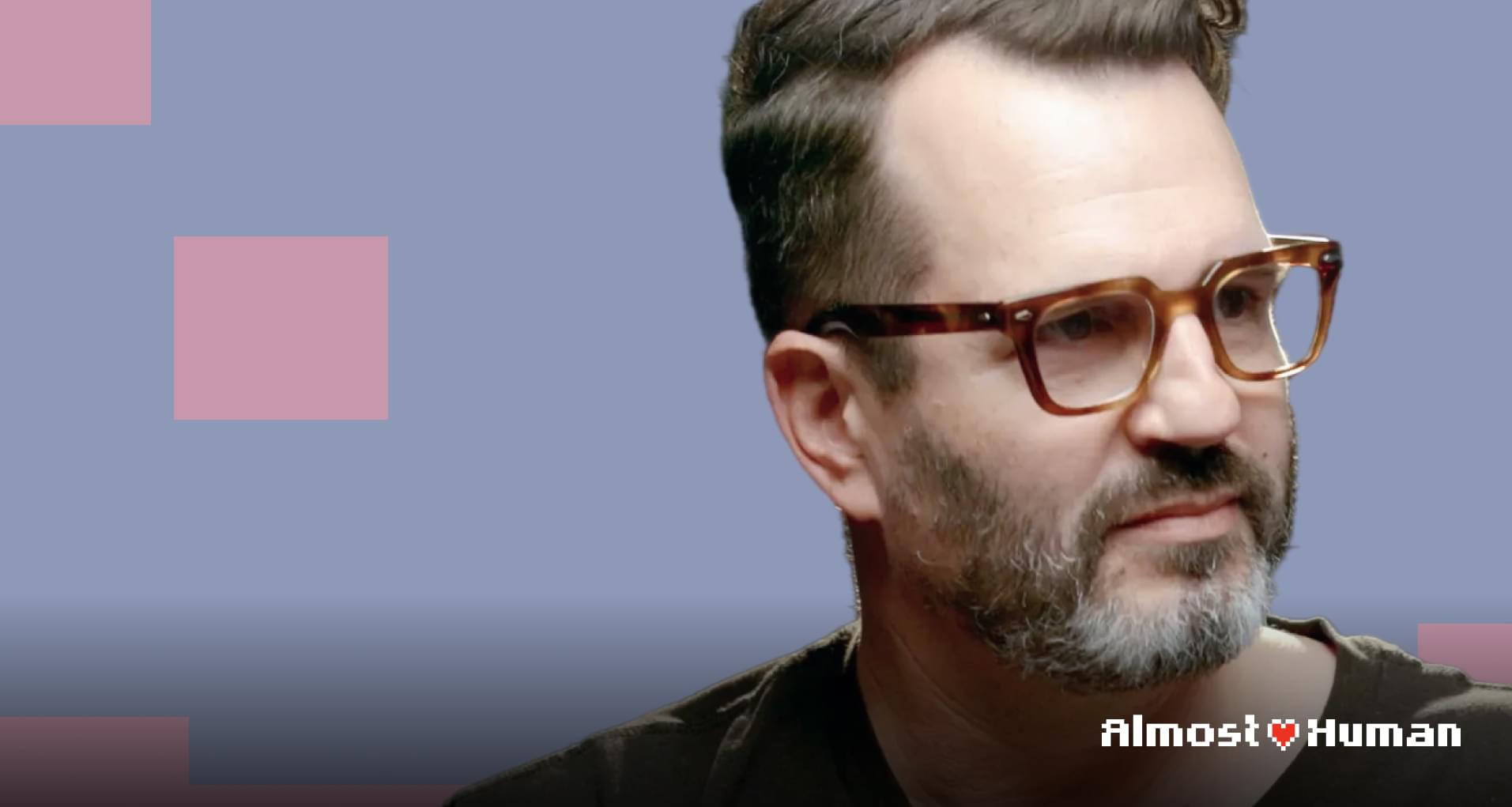






.jpg)
.jpg)
.jpg)


.jpg)
.jpg)
.jpg)
.jpg)

.jpg)
.jpg)
.jpg)
.jpg)

.jpg)